Unable to adapt: why PARIVISION failed at the IEM Cologne Major 2026

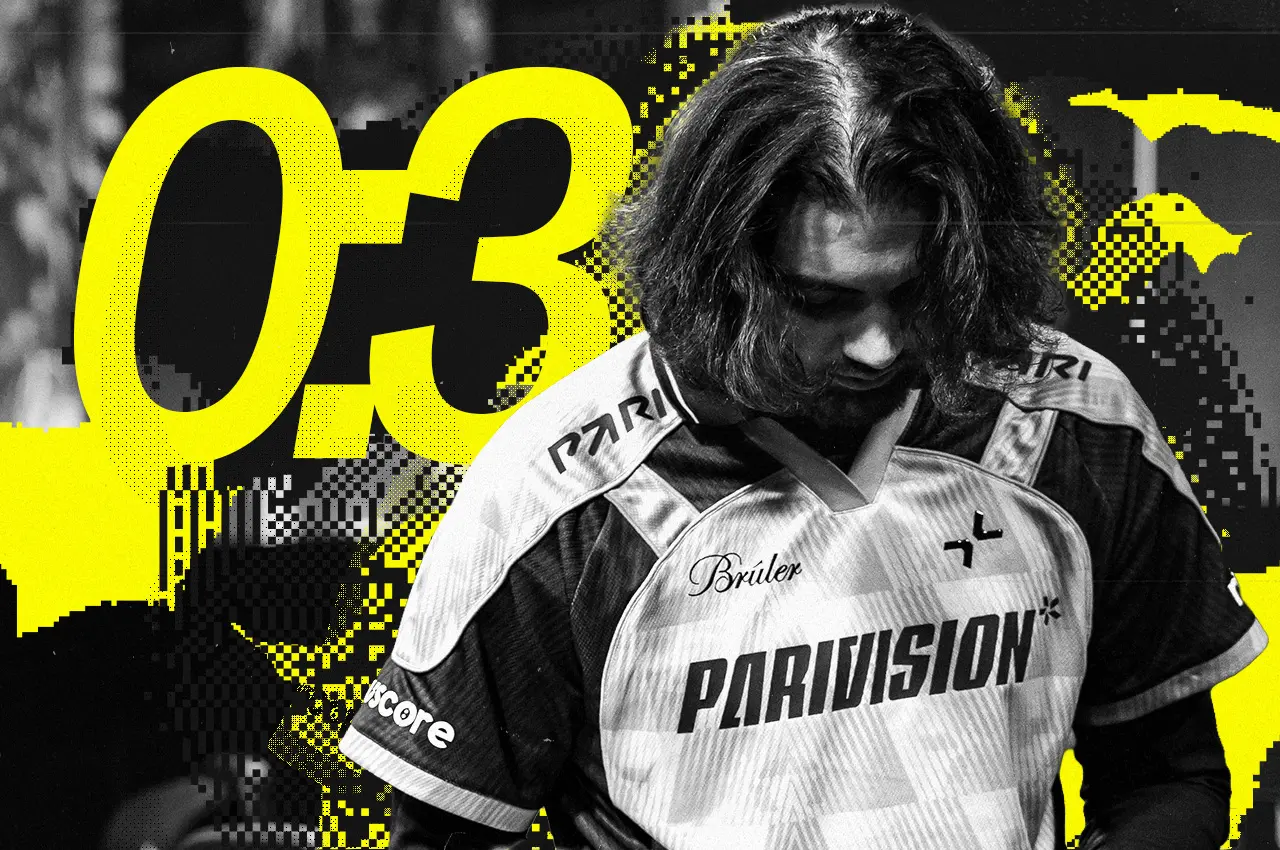
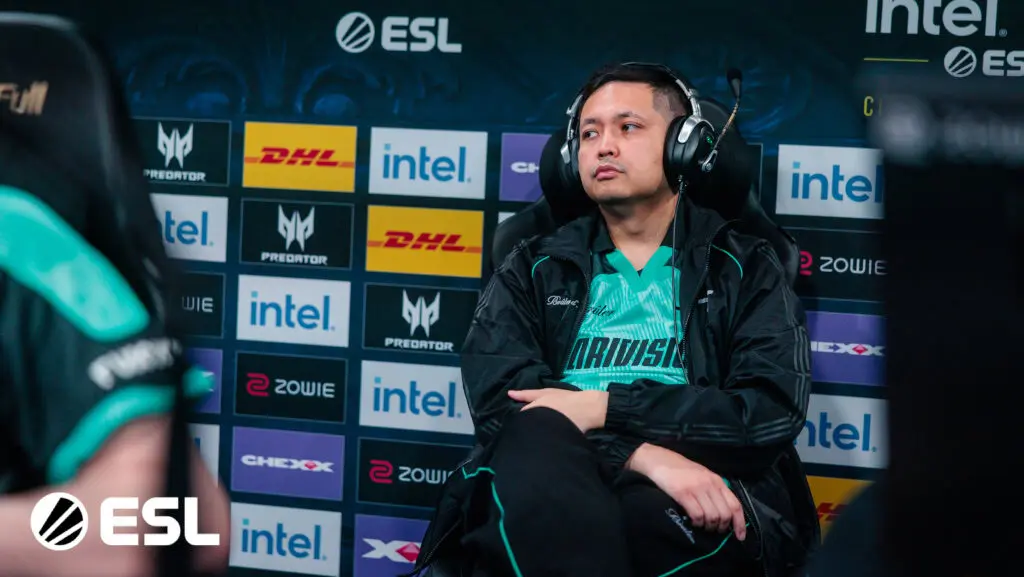
PARIVISION didn’t arrive in Cologne as the Major favorite, but they certainly weren’t expected to be eliminated without a single win either. Jami “Jame” Ali’s roster started the tournament directly in Stage 3, ranked tenth in the world, and drew a fairly manageable bracket. The result: losses to 9z, Monte, and Legacy, a 0-3 series record, and a repeat of the worst-case scenario from the last Major.
That said, the result is misleading. PARIVISION took Dust2 from 9z, confidently won Mirage against Monte, and pushed both maps against Legacy to overtime. Opportunities to salvage the tournament arose regularly. The problem is that the team let those opportunities slip away almost every time: key players underperformed individually, the core positions couldn’t handle the pressure, and throughout the matches, PARIVISION reacted too slowly to their opponents’ moves.
Warning signs appeared even before the Major
Before Cologne, PARIVISION’s form took a downturn: 12th–14th place at PGL Astana and 7th–8th at the CS Asia Championships. Several players lost their confidence, and Dust2—which had long been the team’s reliable map—stopped delivering guaranteed wins.
The first match against 9z confirmed those fears. On Overpass, PARIVISION lost 1–13, then bounced back with a 13–8 victory on Dust2, but fell 9–13 on Inferno. The match against Monte unfolded almost identically: a strong 13–7 win on Mirage, a 9–13 loss on their own pick, Ancient, and a helpless 5–13 defeat on the decisive map, Inferno.
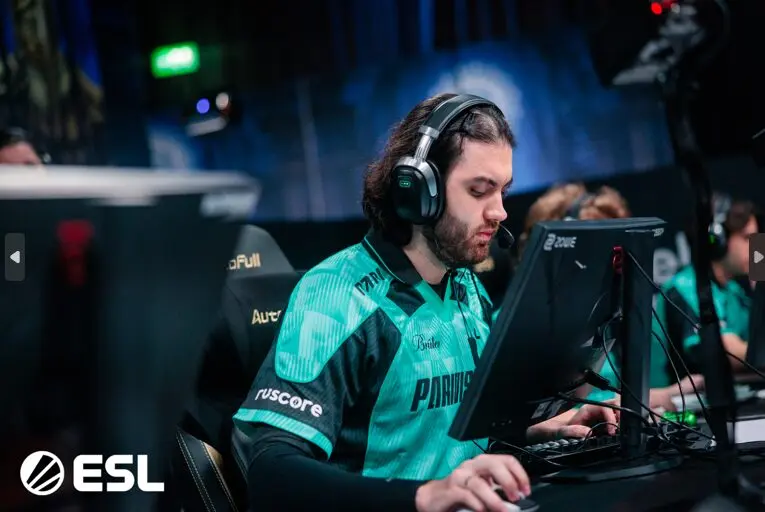
Even down 0–2, the team still had a chance to advance. In the elimination match against Legacy, PARIVISION was twice just one or two rounds away from victory, but ultimately lost 12–16 on Inferno and 13–16 on Dust2. Both maps went into overtime.
This is an important detail: PARIVISION didn’t lose because of the total dominance of all their opponents. They lost a series of close matches in which, time and again, they made inferior decisions.
zweih stopped providing the necessary firepower
One of the main reasons for the failure was the form of Ivan “zweih” Gogin. PARIVISION got far too little from a player who is supposed to bring pace and individual aggression to the roster. Out of the eight maps played, he finished with positive stats on only two.
This slump wasn’t a one-off. Against 9z, zweih finished the series with a 31:48 record and a rating of 0.84. In the match against Monte, it was 34:42 and 0.88. Against Legacy, it was 29:36 and 0.9. In none of the three series did he even reach a rating of 1.
This is particularly painful for the PARIVISION composition. Here, every early engagement must yield information, space, or an advantage. When an active player loses a duel without follow-up, the team has to reorganize its attack while outnumbered, spend extra grenades, or hope for a clutch play.
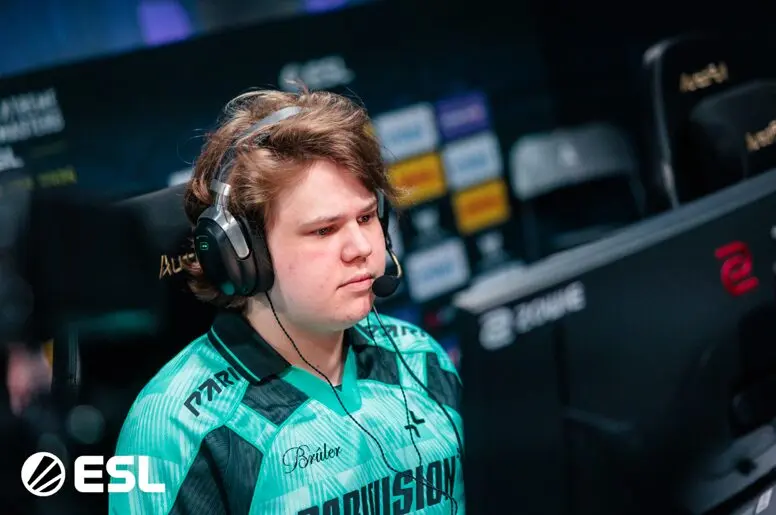
zweih wasn’t the sole reason for the losses, but his slump robbed PARIVISION of one of its main ways to break through prepared defenses. It became easier for opponents to hold their starting positions and force the team into an uncomfortable, predictable style of Counter-Strike.
BELCHONOKK Couldn’t Handle the Volume of Duels on the A-Site
The tournament went even worse for Andrey “BELCHONOKK” Yasinsky. Over the course of eight maps, he recorded 90 kills in one-on-one duels and died 123 times—a difference of -33. In the initial engagements, the situation was even worse: six open kills against 17 early deaths—a -11 differential and only about 26% of opening duels won.
But the role of a support player requires careful analysis. He often takes the brunt of the attack first, plays with limited information, and must buy time until the rotation. The problem arises when a player is left isolated, and his death yields neither a trade nor insight into the structure of the attack.
This is exactly what happened with PARIVISION. BELCHONOKK had many duels, but too rarely entered them on favorable terms. Sometimes a timely flash was missing; sometimes the rotation started too late; and sometimes the opponent exploited the same area of the map for several rounds in a row. As a result, the midlaner didn’t hold the line and became the first weak link in the defense.
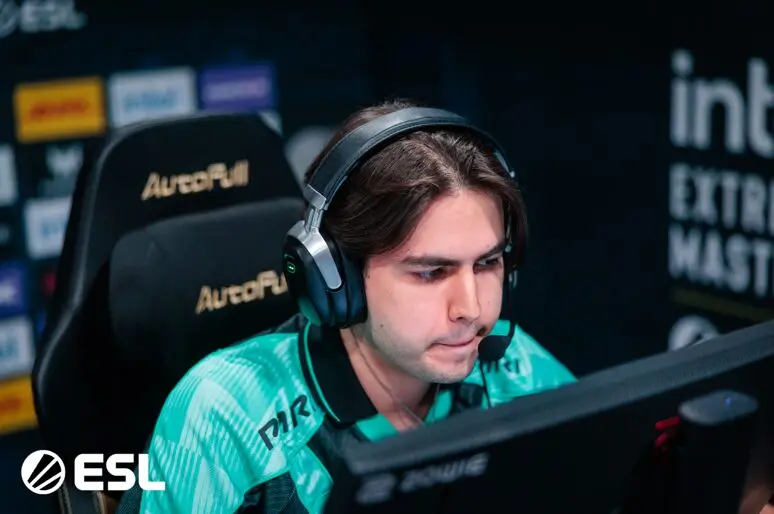
Ratings of 0.79 against 9z, 0.86 against Monte, and 0.76 against Legacy show that this wasn’t just a matter of one poor performance. PARIVISION was unable to either hide the player’s poor form or change the conditions under which he faced his opponents. Opponents saw this vulnerability and continued to pressure the areas where the team was already struggling.
PARIVISION was too slow to read its opponents
Individual statistics explain part of the result but do not answer the main question: why did the situation remain virtually unchanged throughout the series? Reviewing the replays reveals a more systemic problem—PARIVISION failed to adapt to what was happening on the server.
Similar decisions were repeated on different maps. Players would move into position with an AWP without a smoke or a preparatory flashbang, effectively offering the sniper a free duel. Against a force buy, the team might choose a tight map with short distances, where the opponent’s weak weapons suddenly became very powerful. In other rounds, PARIVISION split into groups of two or three players but failed to maintain the necessary distance for a firefight: the first part of the squad was eliminated, while the second arrived just as the action had already ended.
In Cologne, the repetition of these mistakes was alarming. The opponent would reveal an AWP—yet PARIVISION would still check the angle with their body. Their aggressive defense didn’t anticipate traps or changes to the starting pattern. The force-buy was evident from their economy—but instead of playing a safe round, they made a risky push through a narrow space.
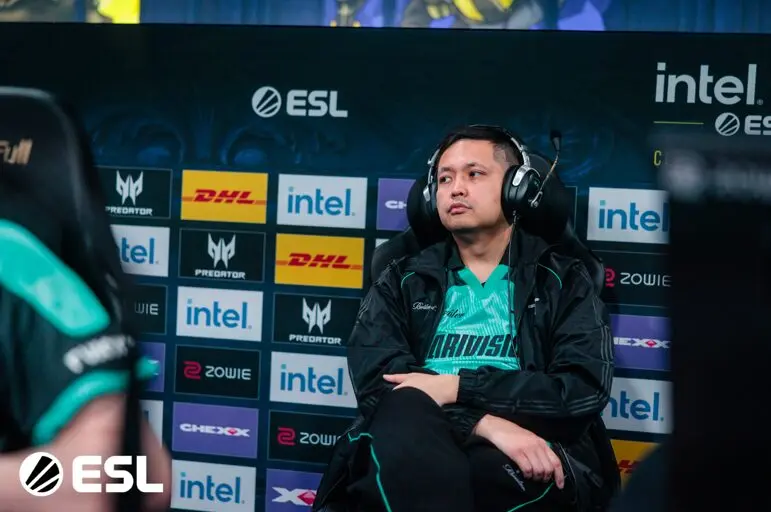
This is the difference between a bad decision and poor adaptation. The former can be attributed to communication issues or a mistake by a specific player. The latter occurs when a team receives new information but fails to adjust its plan. PARIVISION too often stuck to its original playbook even after the opponent had already demonstrated a countermeasure.
Rounds broke down into individual duels
This lack of adaptability led to another weakness: a lack of coordination in key attacks. Technically, the players were close to each other, but in practice, they engaged in firefights one after another. One would check a position, the second would be late to engage, and the third would hold onto a grenade until it was too late to use it.
In close-out situations, PARIVISION could gain an advantage but failed to turn it into a straightforward round win. Instead of narrowing the map and occupying space together, the team left their opponents with several isolated duels. It is precisely these details that send the map into overtime instead of securing a victory.
The match against Legacy was a microcosm of the entire tournament. PARIVISION fought hard, came back into the game, and created opportunities, but failed to close out either Inferno or Dust2. The Brazilians didn’t present an insurmountable tactical puzzle—they simply capitalized on mistakes more effectively and handled recurring situations with greater confidence.
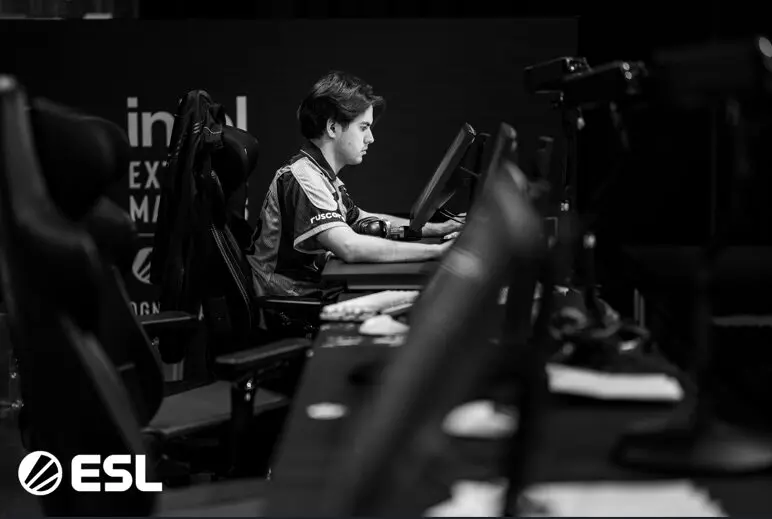
After their elimination, Jame admitted that the team played poorly and kept repeating the same mistakes. That’s an accurate description of the tournament. The roster lacked the ability to quickly figure out why their plan had stopped working and adjust it before the series slipped away to their opponent.
What PARIVISION Needs to Fix
A 0-3 result doesn’t mean the team needs immediate roster changes. PARIVISION has already proven it can compete at a high level, but the match in Cologne revealed the limits of the current roster.
First, zweih needs to be brought back to peak form. This isn’t just about the number of kills, but also the quality of his initial plays: his aggression needs to create space again, rather than leaving his teammates outnumbered.
Second, the conditions for BELCHONOKK in support roles need to be reevaluated. If a player is losing 25:30 duels per map, the team must provide him with clear protocols: early intelligence, delay grenades, timely rotations, and the ability to fall back after the first engagement. Otherwise, replacing the anchor will simply shift the same problem onto someone else.
Finally, PARIVISION needs to become more flexible within the map. A prepared plan helps get the match started, but at the third stage of a Major, it’s not enough. Opponents quickly find a weak spot, change the pace, and punish them for repeating the same mistakes.
PARIVISION left the IEM Cologne Major without a single win, even though they had a chance to turn the tournament around in nearly every series. That’s precisely why this elimination should be more concerning than a typical poor performance. The team wasn’t just unlucky with their aim—they noticed their own mistakes too late, failed to protect vulnerable players, and couldn’t come up with new solutions when the old ones stopped working. At the next major tournament, simply citing the roster’s youth won’t be enough: PARIVISION must demonstrate that it can not only prepare for opponents but also adapt on the fly during matches.
- Read also: Game Analysis by innersh1ne #1 — NEW VISION