Mauisnake on comparing Astralis’ star-studded lineup and Team Vitality’s roster in CS2: “The debate is far from over.”
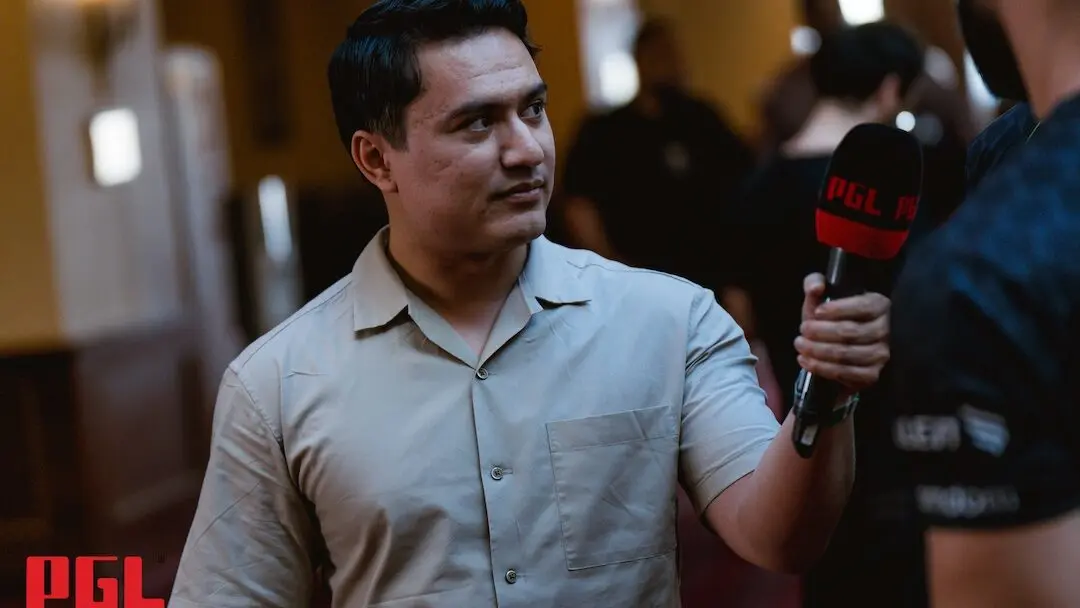
Analyst Alex “Mauisnake” Ellenberg shared his thoughts on the debate surrounding the title of the greatest lineup in Counter-Strike history in the latest episode of the Hot Take Point Made podcast. He compared the era of Astralis’s star-studded roster’s dominance with Team Vitality’s performance in CS2, contrasted their trophies, and assessed the captains of both teams.
On the Status of the Greatest Team in History
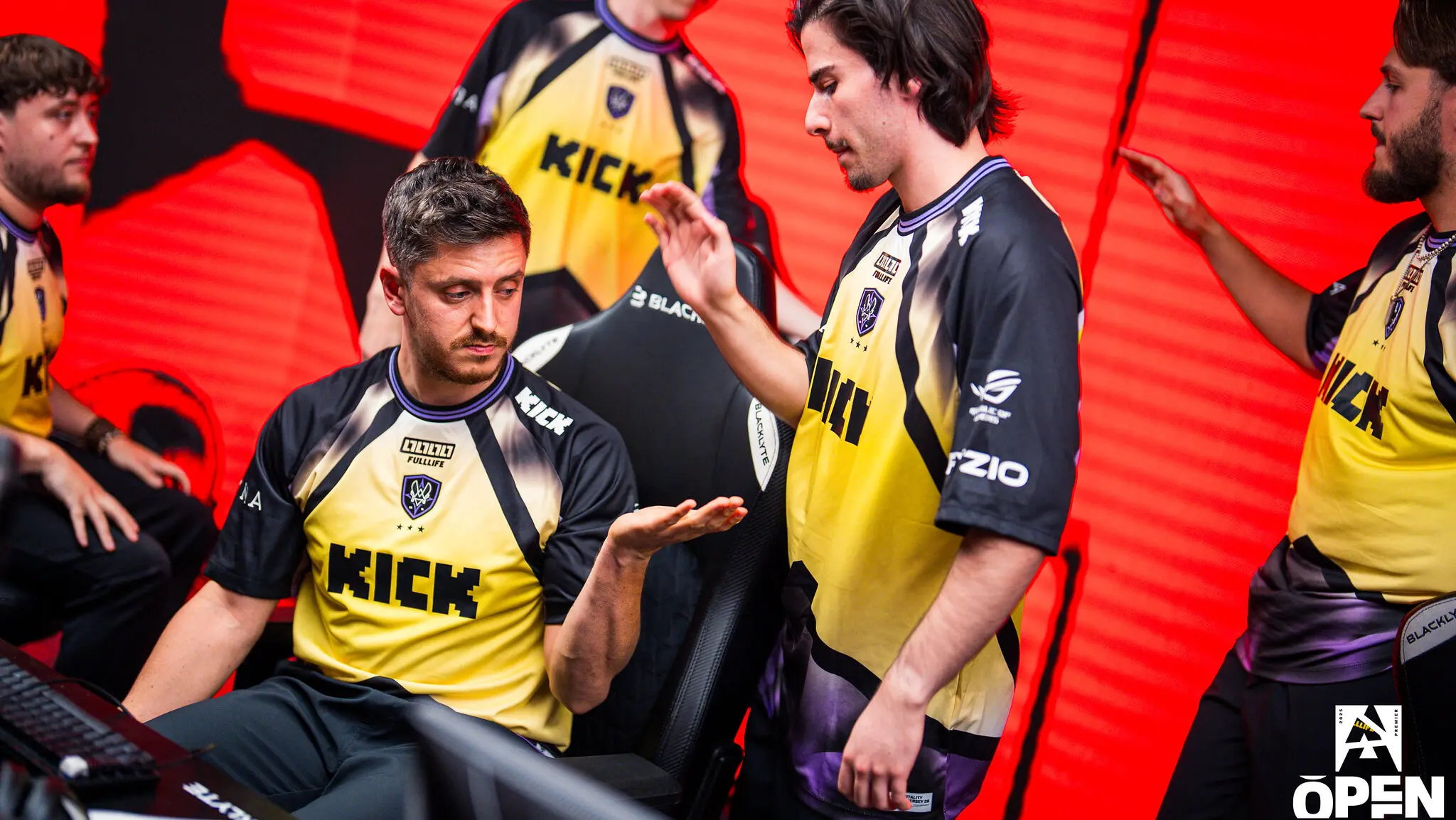
The debate is far from over. I still firmly stand by my opinion: the discussion about the greatest roster in Counter-Strike history—in which many have begun to favor Team Vitality—is actually still ongoing. I still consider the Astralis roster—modelled after the legendary “fivesome”—to be the best in history. If we start by looking at the raw numbers—which is the most boring way to evaluate—the score in terms of Majors won stands at 3–2 in favor of the Danish club. Team Vitality has one advantage in the form of their victory at the Intel Grand Slam, but overall, both teams have won 14 Tier 1 LAN tournaments each. In addition, Astralis has won numerous Tier 2 championships held as part of the BLAST Pro Series, which further adds weight to their achievements.
On the Ability to Overcome Setbacks
There are certain criteria that lead me to rate Astralis’s successes significantly higher. In my view, winning a third consecutive Major after a serious slump in form is a far more impressive achievement. At that point, Team Liquid was objectively superior to Astralis and was confidently on its way to the Intel Grand Slam, but the Danish team managed to regroup after the summer break and defeat them at the most important tournament of the season—the StarLadder Berlin Major 2019. Victories like these are hard-earned. If we judge teams by their ability to overcome difficulties throughout their journey together, I can’t recall Team Vitality ever facing similar challenges and successfully overcoming them.
On the Duration of Their Dominance
When it comes to winning streaks and the duration of an era of dominance, Astralis held the top spot in the HLTV world rankings for one year and 27 days. That’s an enormous period of time. Team Vitality, on the other hand, remained at the top for only 179 days—nearly half as long—before it was ultimately displaced from first place by FURIA.
On the Perfect Balance of Individual Skill
Furthermore, the distribution of individual skill within Astralis was much more balanced. A striking example of this is the fact that all five players on the roster were at one time ranked among the top 20 esports athletes of the year according to HLTV—even their in-game leader received this recognition. During the time this five-man roster was active, four members of the team received MVP awards at major championships: dupreeh, device, gla1ve, and Magisk. Many might think that Xyp9x also received such an award, but he earned his only MVP medal back when the team still included Kjaerbye, so it cannot be credited to this particular five-man lineup.
On the captain’s duel between gla1ve and apEX
My final argument is simple: to me, gla1ve remains a better in-game leader than apEX. He is objectively stronger as a captain and has proven this time and again with his ability to readjust the game plan and make crucial calls right in the middle of rounds. At the same time, apEX has clearly demonstrated how to effectively utilize incredibly strong individual players in synergy with one another. However, if I were to try to paint a caricatured picture of both leaders, I can’t recall any iconic call from apEX in, say, the 23rd or 24th round that single-handedly secured a map win for Team Vitality. There simply wasn’t a need for that, since at key moments, those rounds were usually won thanks to clutch plays by ZywOo or flameZ. Don’t get me wrong—apEX is a fantastic captain—but gla1ve still remains the greatest in-game leader in history. That’s exactly why I continue to consider that Astralis roster the best five-man team of all time.
Read also: tN1R on the victory over Team Vitality at the 2026 Esports World Cup in CS2: “I was just happy.”
Earlier, analyst Alex “Mauisnake” Ellenberg also condemned the clubs’ underhanded tactics on the Snake & Banter podcast, reflected on the problems with the VRS system, and stated that Natus Vincere needed to make roster changes.
Photo — PGL.