Thorin named the main economic principles of LAN tournaments organized by bookmakers

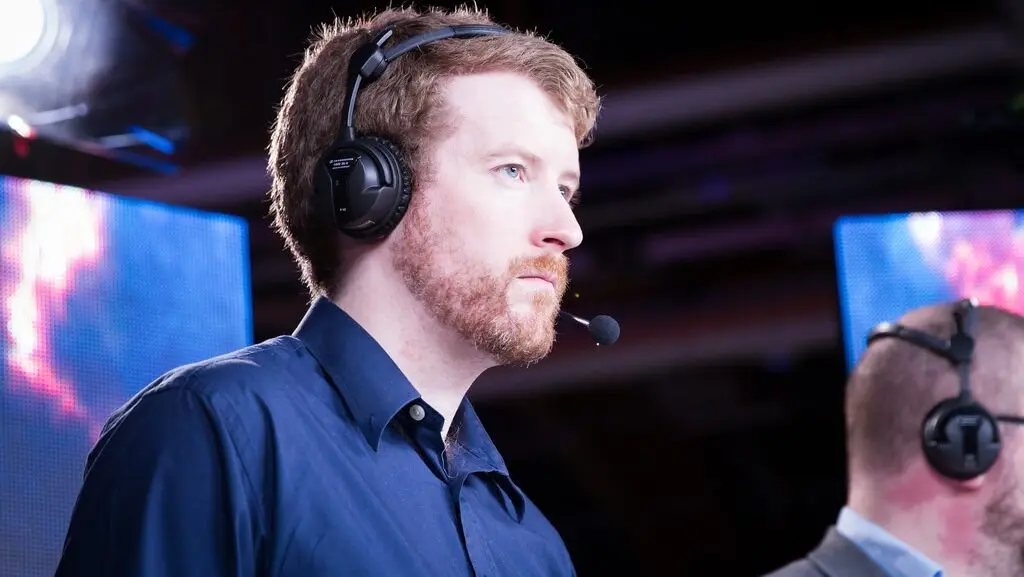
Journalist Duncan “Thorin” Shields and analyst Alex “Mauisnake” Ellenberg discussed the development and economic aspects of major LAN events hosted by betting companies in the latest episode of the Snake & Banter podcast.
Mauisnake: Why does a tournament with an exclusive spot on the calendar offer a $1,000,000 prize pool? Many major organizations like FaZe Clan, HEROIC, and BC.Game Esports are willing to attend much smaller events. For example, DraculaN has a prize pool of just $35,000. Of course, VRS points are ultimately important to teams, but they also depend in part on the prize pool. Why don’t the organizers of the Thunderpick World Championship reduce the prize pool to, say, $500,000? That way, they’d cut their expenses, and the top teams would still participate in the tournament.
Thorin: Thunderpick, BETBOOM, and FISSURE started with small tournaments and gradually grew. They proved their worth time and time again. Take BETBOOM Dacha, for example—at first, it featured Spirit, Virtus.pro, MOUZ, and a few weaker teams. Over time, the organizers began investing more and inviting top-tier teams. As for the Thunderpick World Championship, its prize pool was $850,000 in 2024, and it’s now $1,000,000. It used to be a standard Tier 1.5 tournament, with The MongolZ and HEROIC—then ranked among the top 15 teams in the world—competing in the final.
Such tournaments attract participants by offering a share of the prize pool to the organizations. For example, FURIA won the 2026 Thunderpick World Championship—its players received $250,000, while the other half went to the organization. The club’s management is clearly delighted to receive so much money for a few flights, which, by the way, were covered by the bookmaker.
As for the profitability of these championships, most of them are organized by bookmakers. By broadcasting the matches, they create an environment where people can place bets. Such events aren’t required to turn a profit, since they essentially serve as advertising for their organizers. None of the tournament organizers make a fortune from ticket sales—in this industry, it’s crucial to attract major sponsorship deals through their broadcasts.
Earlier on the podcast, Thorin and Mauisnake discussed the decline in the status of Tier 1 tournaments, using the 2026 Thunderpick World Championship as an example, and reflected on the legacy of Gabriel “FalleN” Toledo as he nears the end of his career.
Photo by Adela Sznajder, DreamHack.