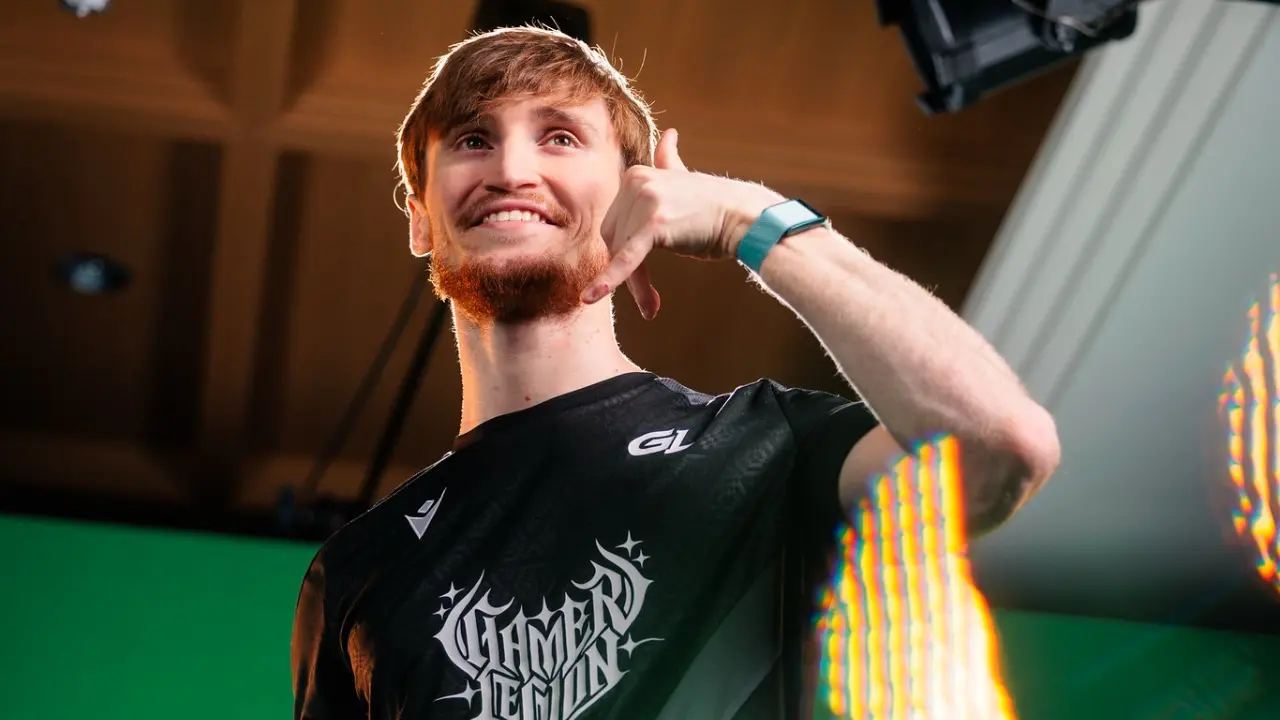
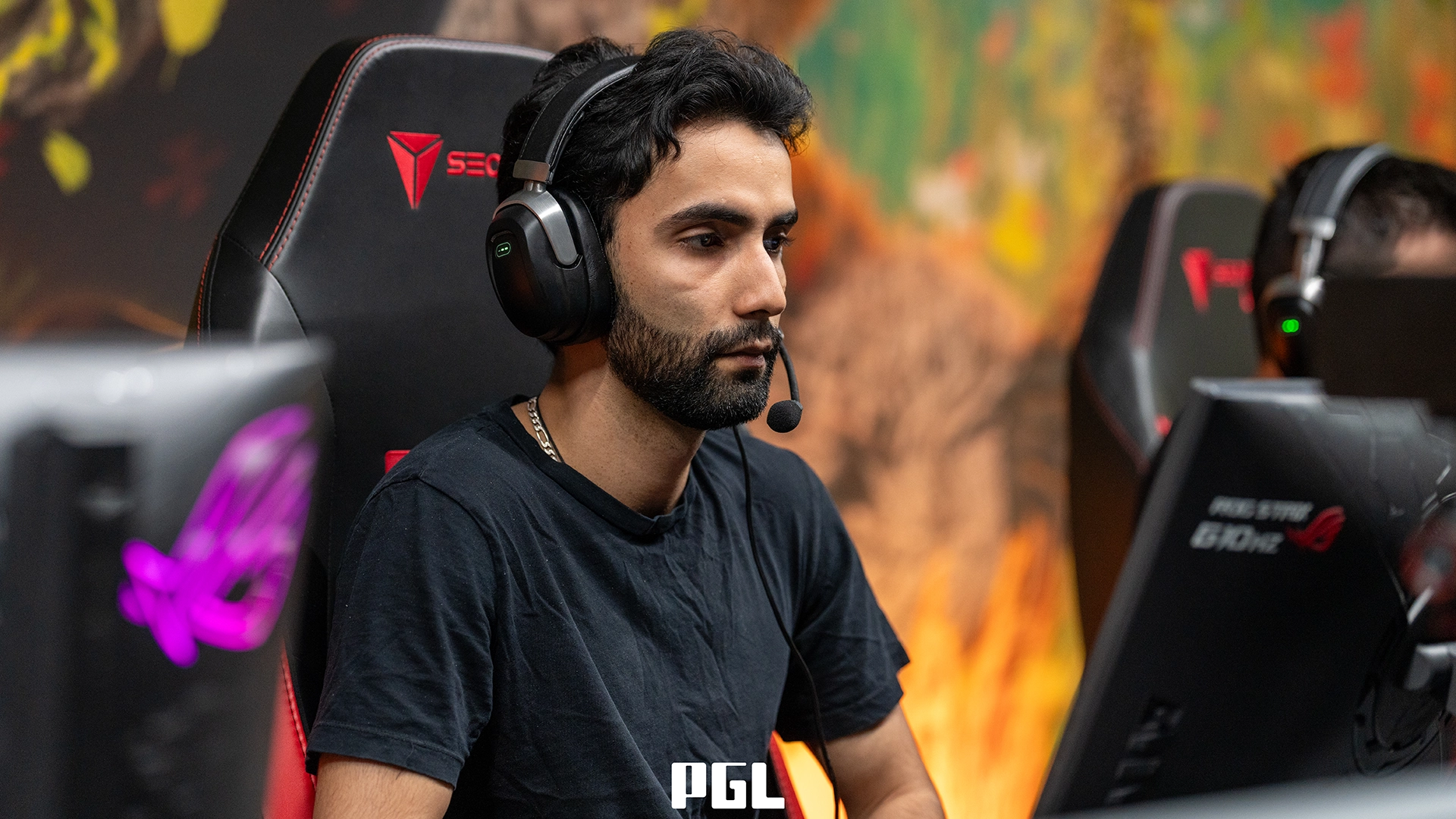
No[o]ne on the competitiveness of the Dota 2 pro scene: “I’ve never played a season like this before—it’s absolutely crazy.”

![Photo of Vladimir “No[o]ne-” Minenko at FISSURE PLAYGROUND 2 — DOTA](https://offstage-wordpress-media-prod.storage.yandexcloud.net/article-media/115350/9da9a47bb23a0ca2877a3bda91572d6cc9f4608a93851edbb35a37311a404d20/b11b7804cc4630c08c81474ed-e1787063614797.jpg.webp)
PARIVISION (TEAM VISION) players Vladimir “No[o]ne-” Minenko and Alan “Satanic” Galliamov talked about their first experience on the professional Dota 2 scene in a team vlog on YouTube.
On Getting Started in the Pro Scene
No[o]ne-: When I was about 15, I think, I saw NAVI win The International. I remember setting a goal for myself back then and telling myself that I wanted to be a professional esports player and compete in major tournaments, win them, make a lot of money, and be a successful, awesome player in the process.
Every player like that has their own dream—to win the Int. Back then, it was a huge hype; it all started at 1.6 million and grew all the way up to 40, so to speak; it was just growth and more growth; now the International has its own magic 100%, because you’ll go down in history forever for having done it. For me, “Aegis” used to be a dream and something special, but now that’s changed. Of course, I really want to win it, but my priorities in life have changed—my goals, my dreams—and that’s just how it is.
The Int is more of a consequence for me, because right now, the game itself means more to me than the International. Playing Dota, being part of a cool team, having a great time, and living my life that way—that’s way cooler than just winning the Int. But the Int is cool, too.
Satanic: I guess I really started following it when Spirit won. I kept a loose eye on it—I didn’t watch it that much. I was even playing pub games when Spirit was playing against LGD. When I finished my pub games, I’d take a peek. Now, on the other hand, I actually prefer watching how people play rather than playing pub matches myself, because it’s fun—you can pick up on things. The International? It’s simply the most prestigious tournament in Dota, the one you want to win—and not just once.
About The International 2015 and Valve
No[o]ne-: Yeah, the fifth International I went to. We never made it to the main event, losing to MVP Phoenix and CDEC in the qualifiers. It was the Wild Card. That International, in my opinion, is remembered by many as one of the best in terms of organization, because people rode in limousines, and Valve’s hospitality was absolutely incredible. We stayed at a hotel; there were Valve employees there who helped with everything. You could talk to them about Dota—they were always learning more about it. Back then, Dota was a completely different game. <...>
Valve is a private company with very few employees overall, and they don’t publicize their activities at all. I didn’t know there were so many Valve employees at the last Int—there were about 20 or even more; they just walked among us and didn’t tell anyone they were Valve employees. That’s their company policy.
When they do that... we don’t know what’s really going on, because it’s up to them—it’s their game. I think they created esports as a concept by launching The International in 2011. Before that, esports was something people played in computer clubs where nobody knew about it, but now, I think 90% of people in the world know what esports is. Especially young people—that’s probably 99 percent.
On The International 2026
No[o]ne-: <...> I think this will be the most competitive International in the entire history of Dota. At The International, there have always been favorites, teams that were slightly weaker, and some dark horses. Sometimes dark horses like Team Spirit would win The International, and sometimes favorites like Liquid would win it hands down. Or take OG—at the ninth International, they were the favorites, but at the eighth, they were the dark horses.
But right now, this Dota season is just *** [crazy]—I can’t describe it any other way—when you have 12 competitors who are capable of winning tournaments, and you have to push yourself to the limit every single day to beat these Dota gods. ...> It’s only at the very end that you realize who was really strong at this International, I think. That’s how I see it. It varies from series to series, from draft to draft, from one moment to the next. I’ve never played in a season like this before—it’s absolute madness.
On The International tournaments
No[o]ne-: The International is always magical. No matter how much you prepare, there will still be games with insane comebacks and 80-minute matches. No one’s just going to hand you anything—don’t expect any free wins. And if you do get any, just be grateful—it’s a fluke—because at The International, everyone’s giving it their all.
On PV
No[o]ne-: I think Zhenya [Noticed] saved our team, just like Puppey did. Big time. Zhenya came in, and everything suddenly got much better. Before that, it was total *** [darkness]. We barely made it into the top 4 at Birmingham thanks to the patch—things were that bad for us. I think it’s a lot of coincidences, a lot of hard work, and some luck with the patch—it literally came out just right for us. We figured it out faster than anyone else. I don’t know—a lot of work, and a lot of luck in the end.
PARIVISION advanced to the playoffs of The International 2026 with an 8-2 record in the group stage. The team lost one map each to Team Resilience and Team Falcons. On August 20 at 8 a.m. Moscow time, the team will face BetBoom Team (BoomBoys); the loser will be relegated to the lower bracket.