Cologne by the Numbers: Statistics, Records, and Surprising Results from the IEM Cologne Major 2026

The IEM Cologne Major 2026 ended with a decisive victory for Team Falcons over FURIA, but the final 3-0 score tells us less about the tournament than the statistics do. The Major featured a comeback from 0-12, a map with a rating of 2.76, an incredible “donk” phase, and a champion who set an individual anti-record.
Cologne was a tournament of contrasts. Team Falcons didn’t end up with the highest average rating; the MVP was outshone by two eliminated superstars in terms of stats; and the most popular maps were among the most unbalanced. We’ve compiled the key stats from the Major—no view counts, but with records, weapons, and maps.
Champion with a rating of 0.71
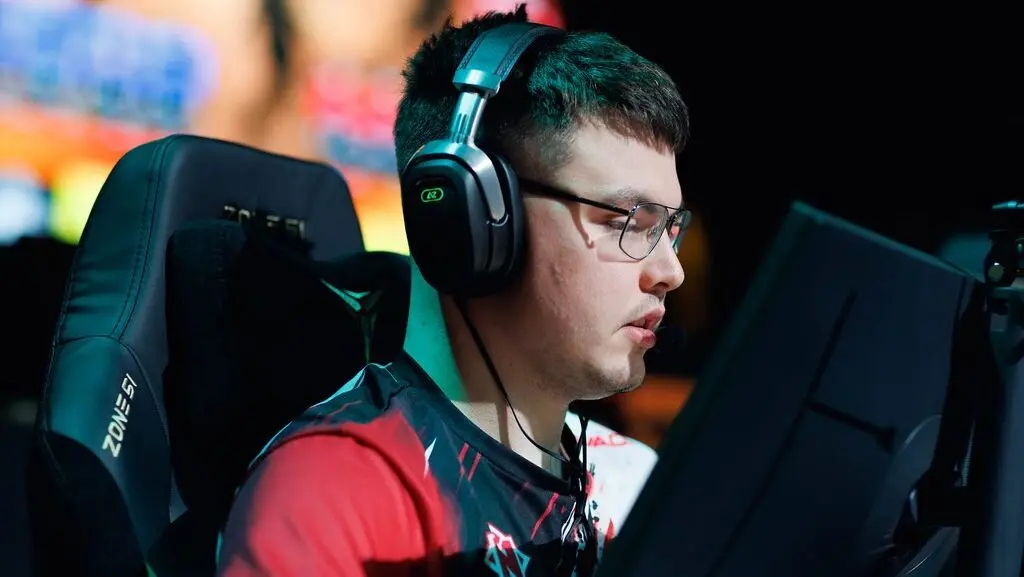
Finnish player “karrigan” Andersen won the Major with a rating of 0.71—the lowest among champions in Counter-Strike history. Technically, the Dane matched the result of Robin “Fifflaren” Johansson, who finished the victorious ESL One Cologne 2014 with the same 0.71 rating. Even the city was the same: the two weakest individual performances by future champions both took place in Cologne, 12 years apart.
| Player | Tournament | Rating | K/D |
| karrigan | IEM Cologne Major 2026 | 0.71 Rating 3.0 | 0.58 |
| Fifflaren | ESL One Cologne Major 2014 | 0.71 Rating 1.0 | 0.67 |
The tie is broken when comparing kills and deaths. Fifflaren finished the tournament with a K/D of 0.67, while karrigan’s dropped to 0.58, so the Team Falcons captain took the negative record based on this additional criterion. The team defeated Natus Vincere, Team Vitality, Team Spirit, and FURIA along the way.
Mirage and Dust2 accounted for almost the entire map pool
Mirage and Dust2 were the main maps of the Major—both appeared 37 times. Inferno trailed by just one game, and Nuke by four, after which a significant gap opened up: Ancient, Overpass, and Anubis were selected significantly less often than the top four.
| Location | Map | Played |
| 1-2 | Mirage | 37 |
| 1-2 | Dust2 | 37 |
| 3 | Inferno | 36 |
| 4 | Nuke | 33 |
| 5 | Ancient | 22 |
| 6 | Overpass | 21 |
| 7 | Anubis | 16 |
Snipers, headshots, and clutch plays
Daniil “s1zzi” Vinnik took first place in AWP kills. The B8 sniper didn’t make it to the playoffs, but his long-range performance throughout the early stages allowed him to outperform even m0NESY.
| Player | AWP Kills |
| s1zzi | 201 |
| SunPayus | 188 |
| m0NESY | 186 |
Ayush “mzinho” Batbold topped the headshot leaderboard: 72.4% of his kills were headshots. He was followed by Alexey “xiELO” Zlobin with 71%, Dmitry “esenthial” Tsvir with 70.1%, Andrey “nota” Petruk with 69.6%, and Samuel “xelex” Arroyo with 67.4%. This is one of the categories where map depth hardly matters: the percentage depends not on the number of cards played, but on the weapon, role, and mechanical style.
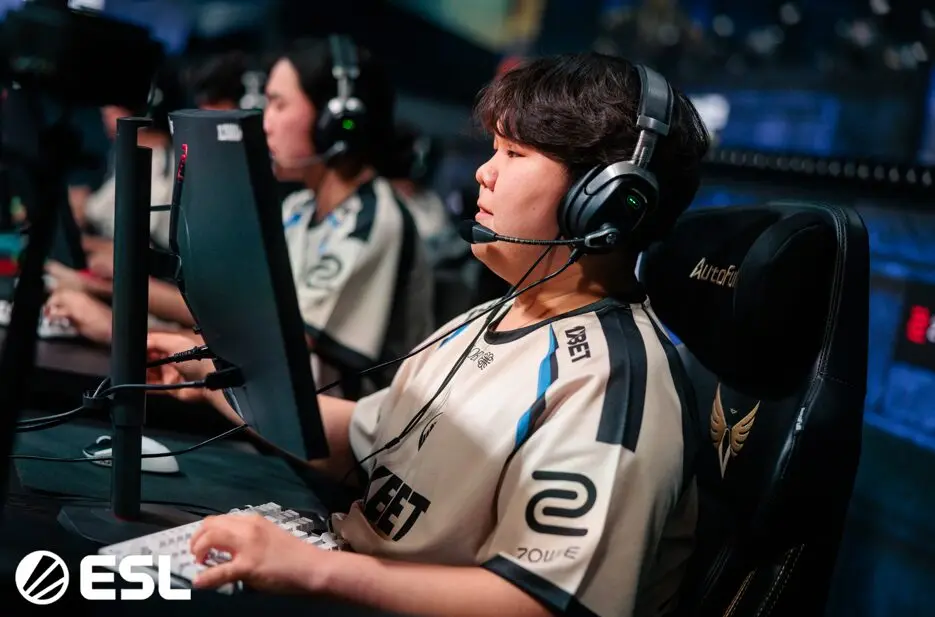
The leaders in clutch wins were Dmitry “sh1ro” Sokolov, Alexey “alex” Yarmoshchuk, and Andre “saadzin” Eidt—12 each. B8 took the team title with 39 clutch wins. The Ukrainian squad didn’t make it to the arena, but they turned numerical disadvantages into won rounds more often than anyone else.
The economy helped the defense—sometimes too much
Changes to the CT economy were intended to make the defense more stable, and Cologne’s statistics show that the goal was achieved with room to spare. On three maps, the defense won significantly more than half the rounds, and on Overpass, one side nearly doubled the other’s score.
| Map | CT Wins | T Wins |
| Overpass | 61.4% | 38.6% |
| Mirage | 59.6% | 40.4% |
| Nuke | 57.6% | 42.4% |
| Anubis | 43.5% | 56.5% |
Mirage tied with Dust2 for first place in popularity, even though nearly six out of ten rounds on that map went to the defense. Anubis was the exception: the attack team won 56.5% of the rounds, and the changes to the map’s layout did not alter its overall structure.
The MVP Was Not the Top-Ranked Player
Ilya “m0NESY” Osipov earned his first MVP medal at a Major and finished the tournament with a rating of 1.25. His selection was based not only on his overall statistics but also on his contribution to Team Falcons’ championship run: the sniper was the team’s best player over the course of the tournament and performed exceptionally well on the first two maps of the finals. However, in terms of raw rating, he was significantly outperformed by two stars who had been eliminated earlier in the tournament.
| Player | Team | Rating | Eliminated |
| Danil “donk” Kryshkovets | Team Spirit | 1.46 | Semifinals |
| Mathieu “ZywOo” Erbo | Team Vitality | 1.42 | Quarterfinals |
| Ilya “m0NESY” Osipov | Falcons | 1.25 | Champion, MVP |
Stage 2 named after donk
The tournament’s top individual record was set even before the playoffs. donk finished Stage 2 with an average rating of 2.27—the best single-stage performance by a player in Major history. The previous record was held by Igor “w0nderful” Zhdanov: at the StarLadder Budapest Major 2025, he posted a rating of 1.77, which was 0.5 points lower.
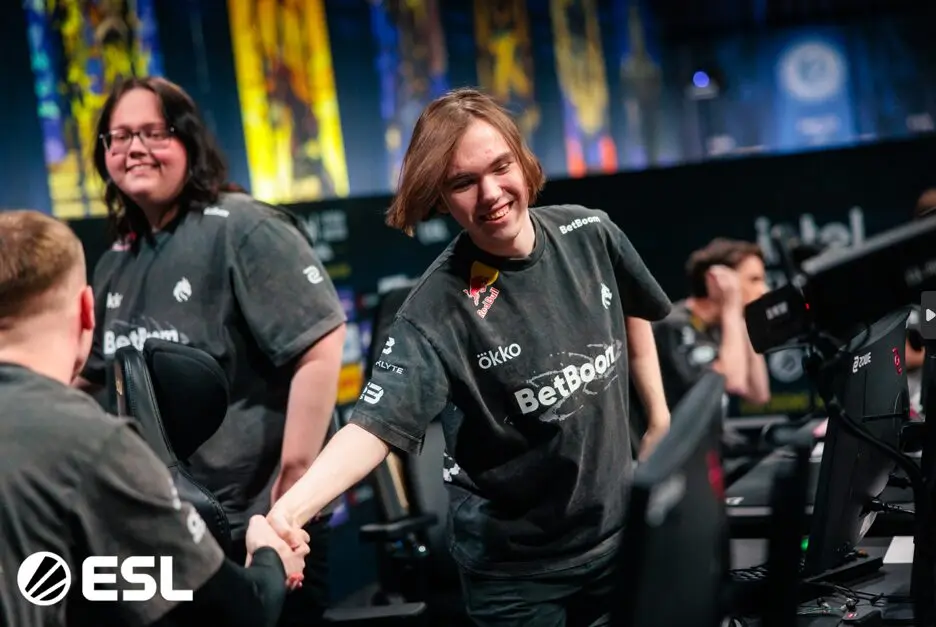
On Nuke against 9z, Danil raised the bar even higher: 23 kills, seven deaths, and a rating of 2.76. This is a new single-map record in the main stage of a Major. Team Spirit won Nuke 13–1, and Danil’s performance was a clear demonstration of where his final 2.27 rating came from.
The Best Team Didn’t Win the Title
If we rank the participants by average rating across all stages, Team Spirit takes first place. The champion, Team Falcons, finished only fifth, trailing FURIA, Team Vitality, and Aurora.
| Team | Average Rating |
| Team Spirit | 1.15 |
| FURIA | 1.11 |
| Team Vitality | 1.09 |
| Aurora | 1.08 |
| Team Falcons | 1.07 |
The table distinguishes between performance over the long haul and results in the bracket. Team Spirit led statistically but lost in the semifinals, while Team Vitality, with a rating of 1.09, was eliminated in the quarterfinals. The Falcons didn’t dominate in terms of average stats, but they won the decisive series.
A comeback from 0-12 and five overtime rounds
The most improbable comeback took place back in Stage 1. BIG was down 0–12 against NRG on the decisive Mirage map, fought back from all 12 match points, and won 16–12. No team in Major history had ever come back from such a deficit, making the series both BIG’s greatest comeback and one of NRG’s most crushing defeats.
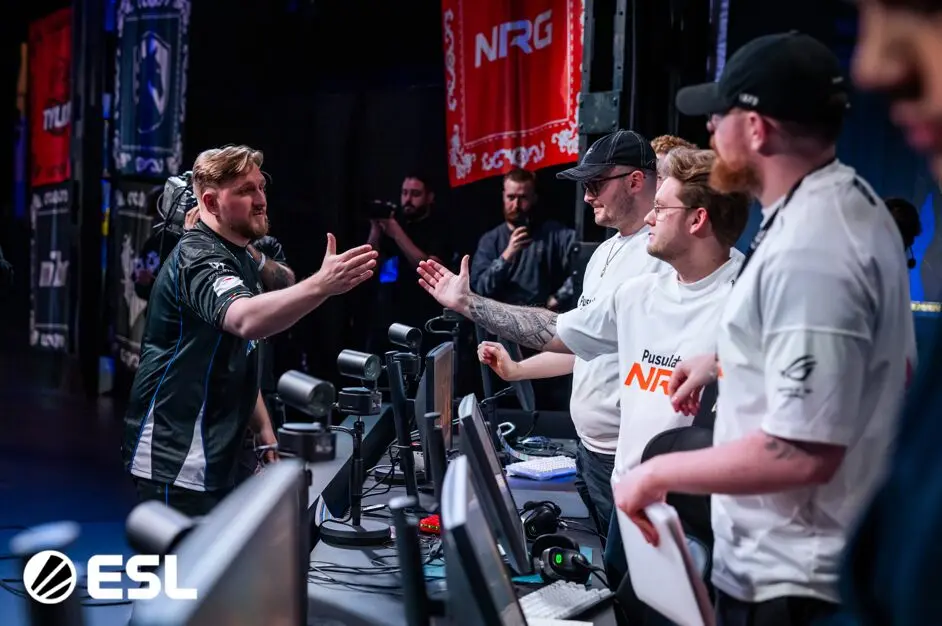
The quarterfinal between Team Spirit and G2 lasted more than three hours of pure gameplay. Dust2 ended 16–14 after one overtime, and Mirage ended 25–22 after four more. In total, the teams played five extra rounds across the two maps before Spirit closed out the match with a 2–1 victory.
A 20-Year Age Gap Between Players
The youngest participant in the tournament was 16-year-old s1zzi, while the oldest was 36-year-old karrigan. The age difference between them was exactly 20 years: one was competing in his first Major, while the other won the tournament more than a decade after his debut on the main stage.
The average age of the 159 participants was 24.6 years. The oldest team was Gaimin Gladiators, and the youngest was FUT Esports. The generational gap was also evident in the results: the young FUT roster advanced to the third stage, while the veterans of Gaimin Gladiators were eliminated with a 0–3 loss in the first stage.
9z defied 98% of the predictions
Before the Team Vitality vs. 9z match, 98% of participants in Valve’s official Pick’Em poll picked Team Vitality as the favorite. The Latin American team lost 4–13 on Inferno but then took Mirage and Dust2, leaving only 2% of players with the correct prediction for this match. In terms of the percentage of incorrect picks, this is the biggest upset in Pick’Em history.
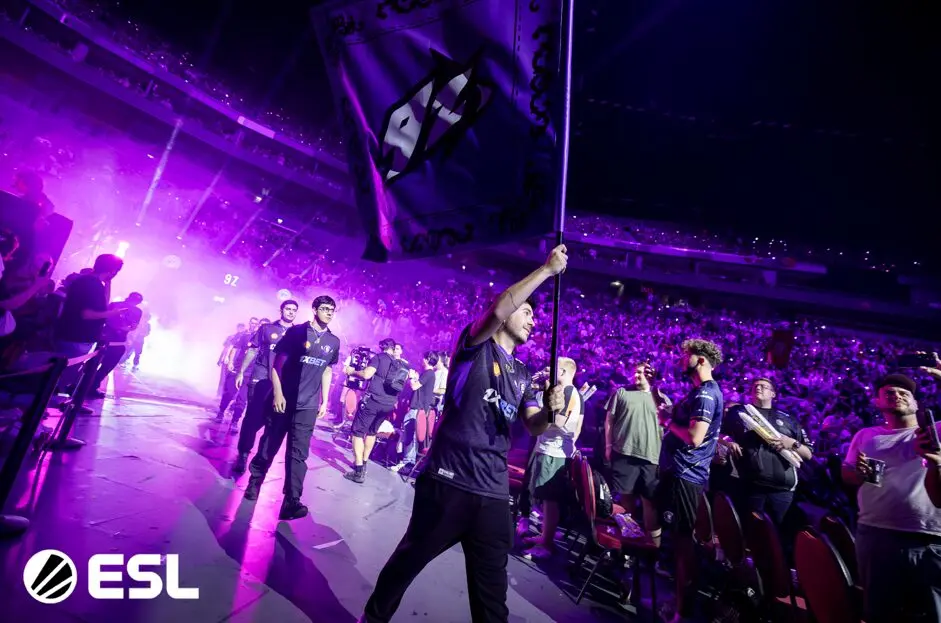
9z then advanced to the playoffs and took a map from future finalist FURIA, so their victory over Vitality wasn’t just a one-off. For most Pick’Em participants, a single series turned a gold medal into a mathematical rarity.
The final, stuck at 13–8
The Grand Final ended in the most symmetrical fashion possible: Team Falcons defeated FURIA on Mirage, Anubis, and Inferno with identical scores of 13–8. Three different maps, three different scenarios—and one final result. Never before in Major finals had a team won three maps in a row with an identical score.
Cologne will be remembered not for a single dominant statistic, but for the clash of statistics. The champion finished with only the fourth-highest team rating, the winning captain set an individual anti-record, and the tournament’s statistically best player was eliminated in the semifinals. That is precisely why this Major is best described not by the final 3-0 score, but by everything that doesn’t fit into the final tally.