Expected Upsets and Major Sensations: Who Didn’t Make It Through the Three Stages of the IEM Cologne Major 2026


The IEM Cologne Major 2026 isn’t over yet, but it has already shattered most of the pre-tournament predictions. Some teams predictably lost to stronger opponents, others were unlucky with the bracket, and several high-profile squads failed so spectacularly that the tournament format alone can’t explain what happened.
Liquid didn’t make it past the first stage, Astralis fell apart after a confident opening victory, and NAVI was stopped just one step away from the playoffs. Let’s take a look at which eliminations were expected and which became the biggest upsets of the Major’s three stages.
Stage 1: Predictable Underdogs and Liquid’s Collapse
The eliminations of Sharks, THUNDER dOWNUNDER, Gaimin Gladiators, Lynn Vision, and SINNERS can hardly be called unexpected. All five teams initially appeared weaker than most of the other participants in Stage 1—both in terms of individual skill and map depth.
Each of these teams had the potential to pull off a win on a specific map or upset a favorite in a best-of-one (bo1) format. Sharks, for example, kicked off the tournament with a victory over HEROIC, and Lynn Vision followed suit by defeating a European squad. However, over the course of the Swiss system, the difference in class eventually became apparent. To advance, it’s not enough to surprise an opponent just once—you have to do it at least two more times.
The story of NRG, Liquid, and HEROIC turned out to be far more interesting.
NRG: From 12-0 to Elimination
NRG didn’t have a bad tournament by any means. The Americans lost to GamerLegion in a close opening match, then defeated SINNERS and FlyQuest. With a 2–1 record, the team was one win away from the next stage, but first lost to M80 and then fell to BIG in the decisive series.
The bracket was far from ideal, but even that can’t be called the main reason for their elimination. On the decisive map, Mirage, NRG finished the first half with a score of 12–0. They were just one round away from advancing. The Americans never managed to secure that round.
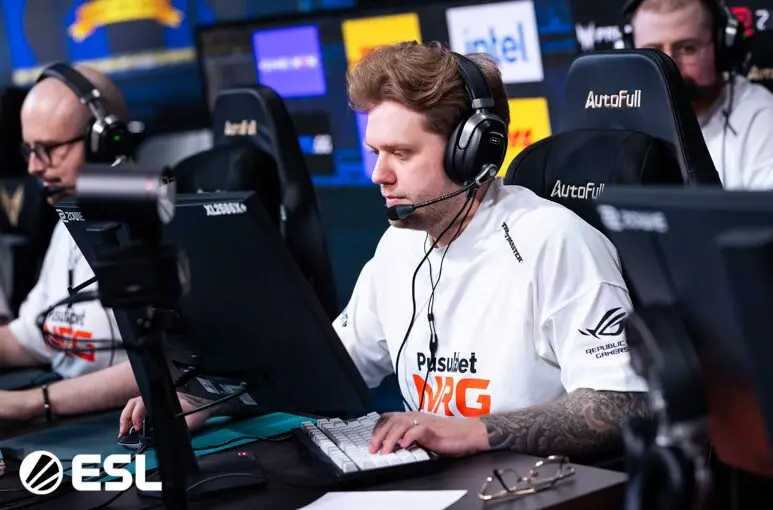
BIG took all 12 rounds of the second half, forced the map into overtime, and won 16–12. It’s hard to explain such a comeback with just one poor pistol round or a shift in the economic balance. After losing several key situations, NRG began playing more cautiously, and the lead that was supposed to provide peace of mind turned into additional pressure.
As a result, the team—which had looked quite competitive for most of the first stage—exited the Major after one of the tournament’s most painful losses.
Liquid: Nine Rounds and No Excuses
Liquid’s elimination was even more resounding. Their losses to BetBoom and MIBR in the best-of-one series could, if one wished, be attributed to the specifics of the format. One poor start, a lost series of early duels, a broken economy—and the map ends before the favorite has a chance to recover.
But the decisive match against FlyQuest was played in a best-of-three format. This was precisely where Liquid needed to demonstrate their class, depth of preparation, and ability to adapt as the series progressed. Instead, the “Horses” lost 0–2, taking nine rounds across two maps: two on Anubis and seven on Inferno.
This is no longer a matter of the format or an unfavorable seed. It is a full-blown failure. Liquid had a roster that was expected to at least secure a confident advance to Stage 2, yet at the decisive moment, the team looked helpless against an opponent they themselves should have considered a favorable matchup. After a performance like this, changes seem not just possible, but necessary. When a roster with such big names exits the first stage of a Major after losing the decisive match with scores of 2–13 and 7–13, it’s no longer possible to chalk it all up to bad luck.
HEROIC: A Victim of the Bo1 Format
HEROIC’s 1-3 elimination also came as a surprise, though in this case the format certainly played a significant role. The team started the tournament with two close losses: 10-13 against Sharks and 11-13 against Lynn Vision. Both maps could easily have ended differently, but in a bo1 there’s practically no room to correct mistakes. A few poor decisions sent HEROIC down 0:2.
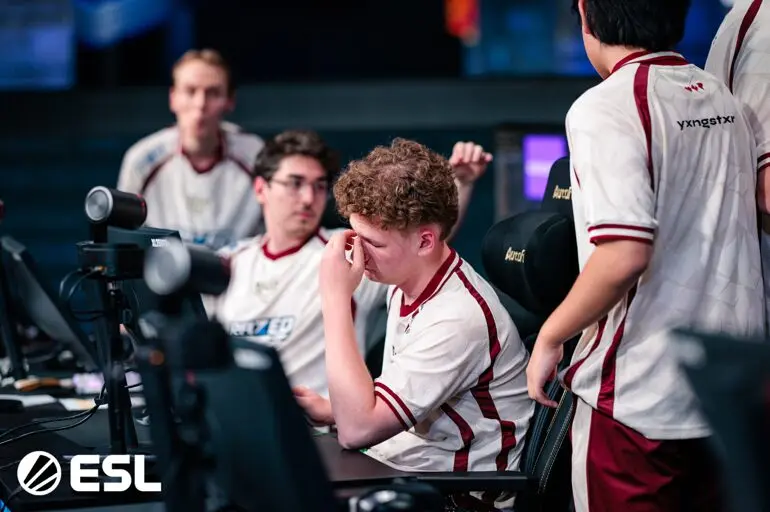
After that, the Europeans defeated Gaimin Gladiators without much trouble, but in the next round they faced Liquid. In a full best-of-three series, HEROIC lost 0:2 and were eliminated from the tournament. One could argue that without those two best-of-one matches, the team wouldn’t have found itself in this situation at all. However, the match against Liquid was a genuine opportunity to salvage the Major—and HEROIC failed to capitalize on it.
Stage 2: Astralis Collapsed in Three Matches
In Stage 2, the eliminations of FlyQuest, TYLOO, BIG, and M80 were the most predictable. These teams were initially outclassed by most of the Stage 2 participants in terms of ranking and overall skill level. Some of them put up a fight and pushed the series to 2-2, but their eliminations themselves were not exactly a surprise. The real disappointments turned out to be Astralis and GamerLegion.
Astralis: From 13-4 to Complete Uncertainty
The start of Stage 2 didn’t foreshadow disaster. Astralis confidently dispatched GamerLegion—13–4 on Ancient. The Danish squad read their opponent well, consistently secured first blood, and barely allowed GL to dictate the pace.
And then something went wrong. Astralis lost to 9z 5–13, fell to TYLOO 6–13, and in the elimination match, they couldn’t handle paiN, losing 0–2. On Nuke, the Danes still tried to stay in the game and lost 11–13, but Overpass ended in a 4–13 rout. While watching the matches, the players’ lack of confidence was particularly striking. As soon as the start of a map didn’t go according to plan, Astralis lost control of the map and increasingly agreed to unnecessary one-on-one duels. They lost these skirmishes, after which the team was forced to finish rounds outnumbered and salvage situations they had created themselves.
Astralis didn’t look like a team with a solid backup plan. Rather, they seemed like a squad hoping to regain control through yet another individual play. When that didn’t work, their structure fell apart even further. phzy’s performance was a separate issue. The sniper finished the stage with a rating of 0.74—an unacceptable figure for an AWP player on a team aiming for the Major playoffs. However, it would be too simplistic to attribute the entire failure to a single player. Astralis lost not because of a lack of frags, but because of a general sense of confusion in complex game situations.
Exactly what changes the organization needs to make remains an open question. One thing is clear: it will be extremely difficult to leave everything as is after such a crushing defeat.
GamerLegion: The tournament ended before it really began
GamerLegion was, first and foremost, unlucky with its opponents. First, Snax’s team faced Astralis, which showcased its best Counter-Strike of the tournament in that very opening match. Then GL faced BetBoom—a team that went on to advance to the playoffs and became one of the major’s biggest surprises. Trailing 0-2, GamerLegion faced B8—a young Ukrainian squad with exceptionally high individual skill levels. In the decisive series, it was B8’s shooting that ultimately prevented the European team from pulling off a comeback.
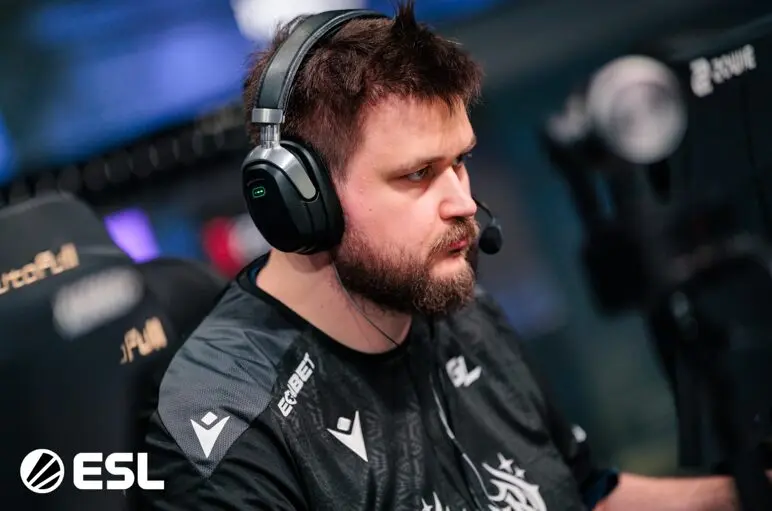
A 0-3 result looks like a rout, but the actual performance wasn’t quite that hopeless. GamerLegion didn’t lose to clear underdogs and didn’t fall apart in series where they were considered the clear favorites. The team simply faced three extremely tough opponents in a row and never managed to rise above their level. This is also a failure, but of a completely different kind than Astralis’s. One team couldn’t get their own game together, while the other had virtually no time to find their rhythm during the tournament.
Stage 3: The Major Finally Derailed
The eliminations of B8 and Monte in Stage 3 seemed inevitable. Both teams had already achieved respectable results by advancing through the previous stages, but when pitted against the tournament’s strongest teams, they lacked consistency. All other Stage 3 eliminations were, to one degree or another, unexpected.
NAVI: Just Two Rounds Away from a 3-1 Lead
The biggest upset was Natus Vincere’s 2-3 elimination. That said, NAVI cannot be blamed for a complete collapse. The team confidently defeated Legacy, handled The MongolZ, and came very close to advancing to the playoffs in their series against the Falcons. On the decisive Anubis map, the “born to win” team led 11–6; they needed to take just two more rounds to finish the stage with a 3–1 score. Instead, the Falcons fought back and won the series.
One of NAVI’s main problems was makazze’s performance. Prior to the Major, the young rifler had consistently been one of the team’s top performers, but in Cologne, he finished the third stage with a rating of around 0.96. For a player expected to provide a significant portion of the team’s firepower, this proved insufficient. makazze had a particularly rough time in the opening series against Spirit: a rating of 0.43 per match and 0.29 on Anubis. In the decisive match against G2, he finished the set with a rating of 0.88—lower than that of team captain Aleksib.
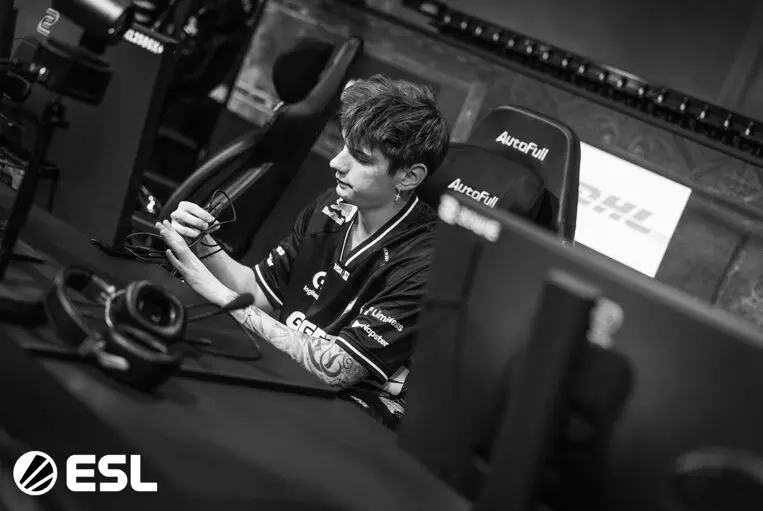
That said, it would be unfair to pin the blame for the elimination solely on makazze. NAVI lost three series, and in the match against G2, several players looked inconsistent. However, it was the young rifler who was expected to provide that extra individual spark that could have turned close rounds into wins. b1t came into the tournament in excellent form and finished the stage with a rating of 1.17. w0nderful also performed at a high level for most of the matches, and iM didn’t fall out of sync with the team’s structure as much as he sometimes had in the past. The team was literally missing just one consistently performing player.
That is precisely why NAVI’s elimination feels particularly painful. The roster wasn’t hopeless; they weren’t inferior to their opponents in every aspect and truly could have made it to the playoffs. But at a Major, “almost” has virtually no value.
PARIVISION: Individual Slumps Led to Quick Substitutions
PARIVISION exited the tournament with a 0–3 record. Once again, the main reason was individual form: several players at once were unable to perform at their usual level, causing the team to consistently lose key matchups and leaving them with no room to execute their own strategies. The organization didn’t wait long and has already begun restructuring the roster.
This elimination served as yet another reminder that even a good system stops working when several players simultaneously lose most of their duels. Tactical preparation can set up a favorable matchup—but it can’t win it for the player.
MOUZ: Too Many Unnecessary Moves
MOUZ started the stage with a win over Legacy, but then lost consecutively to FURIA, Vitality, and FUT. The replays showed that the team often made the rounds harder on themselves. Brollan’s actions raised a lot of questions in particular: unnecessary drags, premature abandonment of held positions, and space that MOUZ gave up to their opponents without putting up a serious fight.
Individually, each of these decisions didn’t seem critical. The problem was that they kept happening. Opponents were able to change the direction of their attacks, find open areas, and force MOUZ to constantly react rather than dictate the terms of the game.
The roster maintained a high level of individual skill, but throughout Stage 3, they rarely looked like a cohesive unit. This proved insufficient for the playoff race.
The MongolZ: An Unfortunate Bracket and a dgt in Top Form
The MongolZ first faced BetBoom, who were in excellent form, then played against NAVI, and in the decisive match faced 9z. It’s hard to blame the Mongolian squad for a complete failure. The team made mistakes, but remained competitive in most series and tied the match at 2-2. It’s just that on the decisive day, 9z played one of the best matches of the tournament.
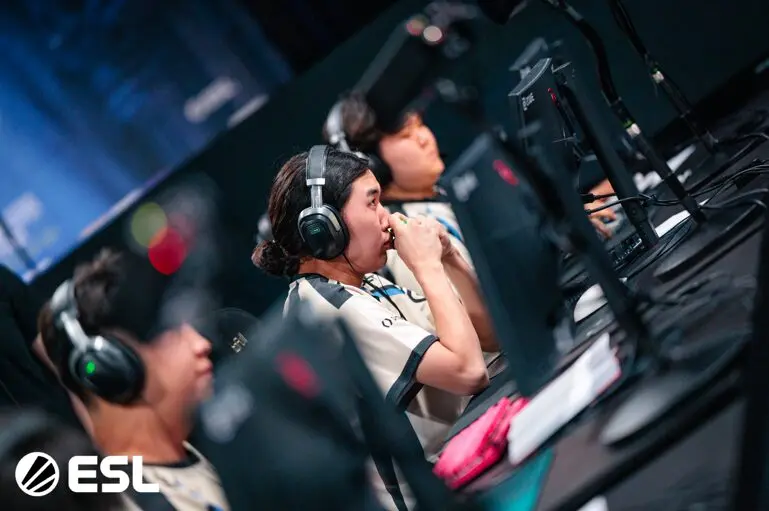
dgt emerged as the star of the show. The lurker finished the match with a rating of 1.76, racked up 44 kills across two maps, and left The MongolZ with virtually no chance in key moments. When your opponent is on fire and their player consistently finds the right timing and wins the early duels, even a solid team plan might not be enough.
9z won 2-0, closing out both maps with a score of 13-8. The MongolZ were eliminated from the Major, but this exit speaks more to the strength of the Latin American roster than to a disastrous performance by the Mongolians.
Legacy: Four Matches with No Room for Error
Legacy also drew an extremely tough bracket. In their first match, the Brazilians lost to MOUZ, then faced NAVI. After defeating PARIVISION, the team fell to a 1-2 record and faced G2, which later beat NAVI and advanced to the playoffs.
In all three series they lost, Legacy faced teams that were initially expected to contend for a spot in the tournament’s decisive stage. The Brazilian squad didn’t pull off an upset, but they hardly deserve harsh criticism either. To advance, they needed to beat at least two of the tournament favorites. It didn’t work out—but Legacy’s path turned out to be more difficult than their final 1-3 record suggests.
FUT: Talent Clashes with a Lack of Experience
FUT entered the Major as one of the top dark horses. The young roster, which emerged from the former NAVI academy, had strong aim and virtually no ceiling if they got off to a good start. But it was precisely their lack of experience that became apparent in matches against the strongest opponents.
In their series against Vitality, FUT too often agreed to early one-on-one duels. This was particularly noticeable on Nuke during the attack. Instead of methodically preparing their pushes and coordinated exchanges, the team regularly started rounds in a 4v5 situation. Even when the players managed to maintain even team compositions, FUT often approached the decisive phase of the round with few grenades and without a favorable positioning. The attack was forced into an obvious direction that Vitality had already managed to fortify.
A similar problem emerged in the next series against G2. On the decisive map, the “Samurai” secured the first kill about one and a half times more often. FUT once again had to salvage rounds that had become unfavorable even before they fully entered the plant site. The young team still managed to regroup. Victories over B8 and MOUZ brought the series to 2–2, but their final opponent was BetBoom. Even far more experienced teams were unable to stop Boombl4’s squad in this tournament.
FUT exited the Major, but their performance cannot be considered a total failure. The players lacked experience, discipline, and an understanding of when to back off from a risky duel. All of this can be corrected—especially for the youngest roster in the tournament.
A Major That Defied the Predictions
The three stages of the IEM Cologne Major 2026 were full of upsets. Liquid didn’t make it past the first stage, Astralis fell apart after a 13-4 victory, GamerLegion faced a nearly insurmountable bracket, and NAVI missed the playoffs despite being just a few rounds away from a 3-1 result.
That said, not every high-profile elimination means a team must immediately replace half its roster. The MongolZ and Legacy were more likely victims of a tough draw. FUT faced the natural challenges of a young squad. GamerLegion simply didn’t face any easy opponents. But Liquid and Astralis have far fewer excuses. These teams didn’t lose just because of the format or the bracket—they looked worse than their opponents in matches they were expected to win.
The main takeaway heading into the playoffs is simple: a high ranking, a well-known tag, and favorite status in Cologne guarantee nothing. It’s not just the star-studded teams that made it to the decisive stage, but also the most consistent ones—those who managed to overcome a poor start to the map, didn’t fall apart after losing a half, and maintained their structure under maximum pressure.
After a group stage like this, the Major’s playoffs promise to be unpredictable, to say the least. Or perhaps—downright crazy.