First tournaments and challenges for Russian-speaking talent—highlights from the OFFSTAGE podcast with MPKBK
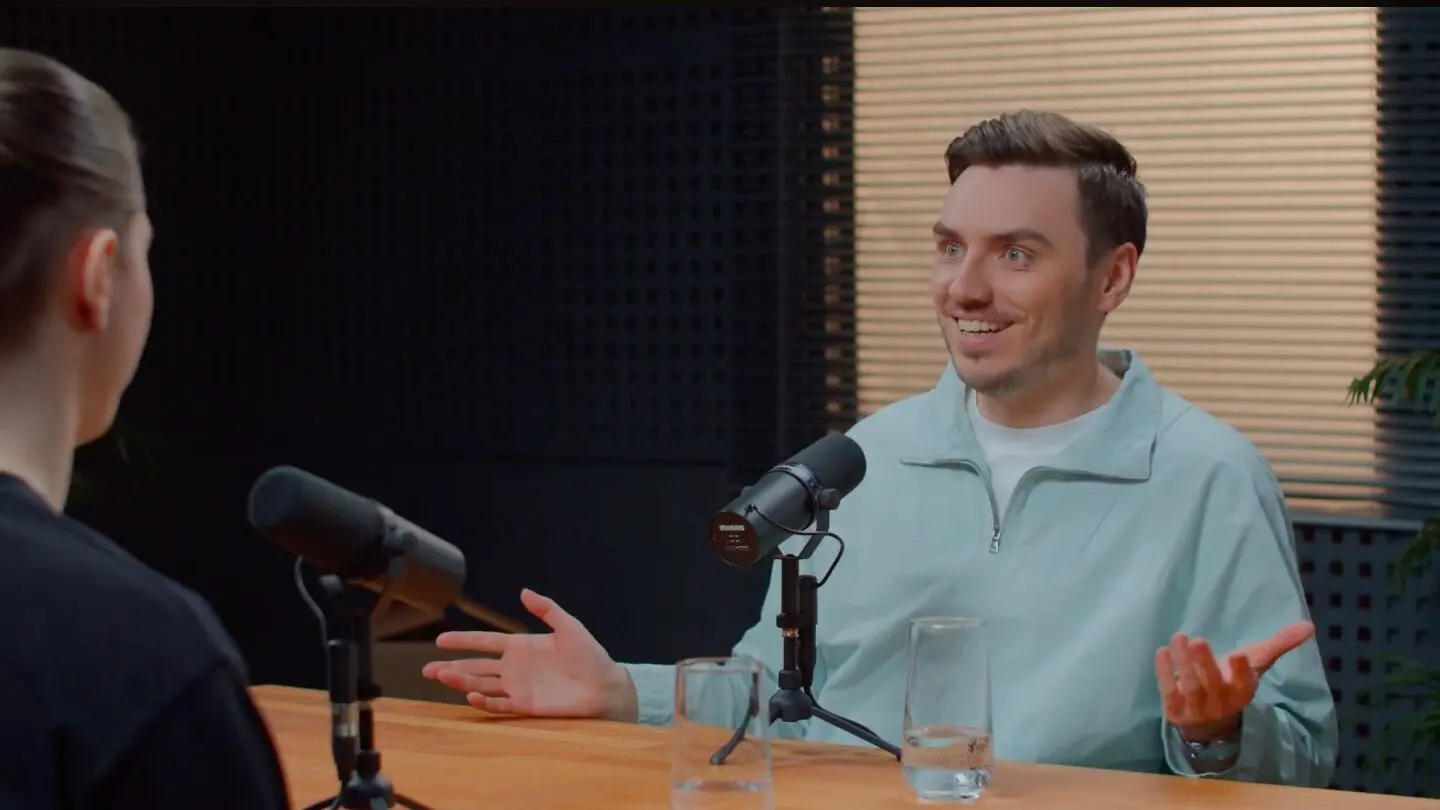
Tournament organizer Andrei “MPKBK” Ermakov appeared on the OFFSTAGE podcast. Here’s a quick rundown of the highlights in our article.
On tough times for CS, early tournaments, and working as a manager
MPKBK recalled the early 2010s as one of the most difficult periods for Counter-Strike in the CIS. According to him, CS: Source was rapidly losing popularity, and the release of CS:GO was not yet known. Amid the success of Dota, many talented players were leaving the scene, seeing no prospects for growth in it.
MPKBK also shared that after ending his playing career, he began organizing small tournaments at the MGZ computer club, where he himself had once played. The competitions were funded by team registration fees, and most of them could be wrapped up in a single day.
In addition, MPKBK shared his experience working as a manager. He admitted that he considers himself too kind for this role, as he tends to trust players for too long and give them extra chances. At the same time, he described organizational tasks such as buying tickets and finding housing for the team as routine work, similar to running tournaments.
On Future Tournaments, His Favorite Event, and Team Spirit Academy
MPKBK said that he has no plans to host tournaments outside of Russia for the time being. According to him, there are still many teams in the region that need such competitions for their development and promotion. The organizer noted that he had considered hosting events in Serbia, but so far he doesn’t see a suitable niche for this and isn’t sure he could compete with existing tournament operators.
MPKBK named the third LanDaLan as his favorite championship. He admitted that he was surprised by how easily he was able to engage with a large audience. According to the organizer, both viewers and players highly appreciated the tournament format with a live audience, and the opportunity to perform in front of fans made the matches more emotional for the participants.
Speaking about Team Spirit Academy, MPKBK noted that after kyousuke’s departure, the team struggled to cope with the loss of their leader and their morale dropped significantly. The organizer believes that the roster could have been retained and further developed, but in the end, the players went their separate ways to join different teams. At the same time, he emphasized that many former academy members possessed a high level of skill and deserved a more successful continuation of their careers.
On potential issues for tournaments, sanctions, and the level of Russian-speaking talent
MPKBK discussed how changes from Valve could complicate the organization of tournaments in the future. In his opinion, organizers might be prohibited from holding competitions funded solely by registration fees or required to implement stricter team selection rules. He also suggested the possibility of mandatory oversight by Valve or HLTV at tournaments and noted that enforcement of the rules at some events currently remains insufficient.
Commenting on possible sanctions against the Russian-speaking Counter-Strike community, MPKBK stated that he does not expect such restrictions. He emphasized that the Russian-speaking audience makes up a significant portion of the professional scene’s viewers, including those watching English-language broadcasts of major tournaments. At the same time, the organizer noted that there are only a few talents in the region capable of competing on par with leading English-speaking analysts and commentators.
Speaking about the difference between Russian-speaking and English-speaking talent, MPKBK stated that the main problem facing the CIS scene remains the lack of a systematic approach to developing commentators and analysts. In his view, Western studios invest in staff development, provide specialists with steady work, and help them hone their skills. As an example, he cited the well-known English-speaking casters Scrawny and launders, who regularly work at major tournaments and receive the necessary support for professional growth. MPKBK believes that in the Russian-speaking segment, commentators often depend on individual projects and their own initiative, whereas abroad, their development is largely managed and funded by studios.
See also:
- MPKBK: “I have one major flaw—I’m too kind to be a manager” (first part of the podcast).
- MPKBK: “It’s clear that a lot of teams simply need these tournaments that I organize” (second part of the podcast).
- MPKBK: “The Russian-speaking audience now makes up nearly 50% of the entire Counter-Strike audience” (third part of the podcast).
Earlier, Andrei “MPKBK” Ermakov also shared his thoughts on necessary changes in CS. Specifically, the tournament organizer suggested adjusting the current map pool and explained how these changes could affect professional players.