SPUNJ: “ESL’s main strength is that this tournament organizer has a truly rich history.”

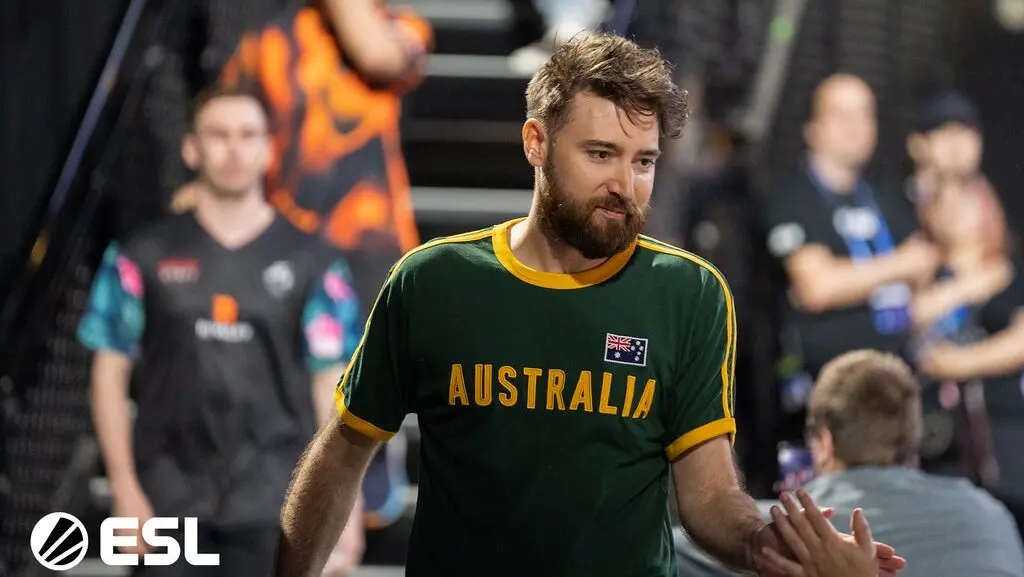
Analysts and commentators Jason “moses” O’Toole and Chad “SPUNJ” Burchill discussed the development of the semi-pro scene in Counter-Strike 2, its impact on the market for young talent, and the significance of ESL tournaments in the latest episode of the Talking Counter podcast.
On the development of the semi-pro scene
moses: The void has been filled in a pretty interesting way, because now some of the top teams we’ve known over the past few years—and players—are forced to compete in lower-tier tournaments to either earn points or revive their careers on a new team. I think it’s really great to see how some of the better-known players are also forced to go down there, while young players are trying to work their way up. So, I think everything turned out exactly as we wanted it to, in terms of the health of this tier, because the health of the semi-professional scene is very important for the health of the professional scene.
On young players
moses: The semi-pro scene provides an opportunity for some young players who get these chances to finally come under the microscope, so to speak. You can really see some guys, some young players, who might only make it through a single best-of-two series. But maybe next time, that’ll make you watch a little more closely when that team plays.
On the significance of ESL tournaments
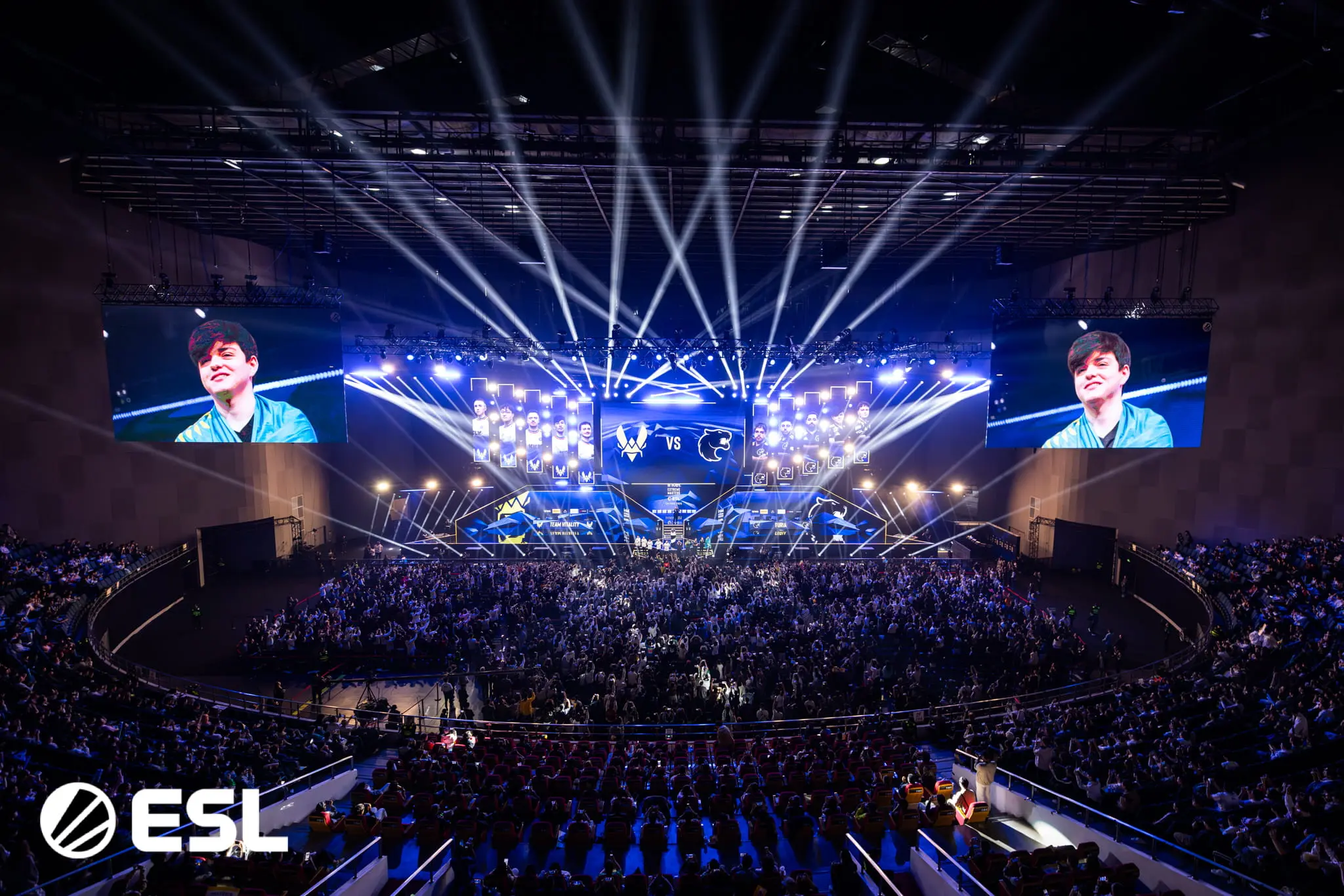
SPUNJ: What ESL has—and what, unfortunately, no one else can come close to—is history. I’d say ESL’s main strength is that this organization simply has a massive history. And yes, in the early years, when CS:GO was just taking shape as a competitive discipline, ESL hosted most of the majors. ESL hosted the first two majors. So, I think it’s becoming difficult for other tournament operators to catch up to ESL.
Read also: The L1GA STAVOK Rivals C2 media tournament has been announced, with a prize pool of 1 million rubles
Earlier on the Talking Counter podcast, commentators and analysts Jason “moses” O’Toole and Chad “SPUNJ” Burchill discussed Natus Vincere’s possible absence from the upcoming Major and the team’s future.
Photo by Tyler Grenfell, ESL.