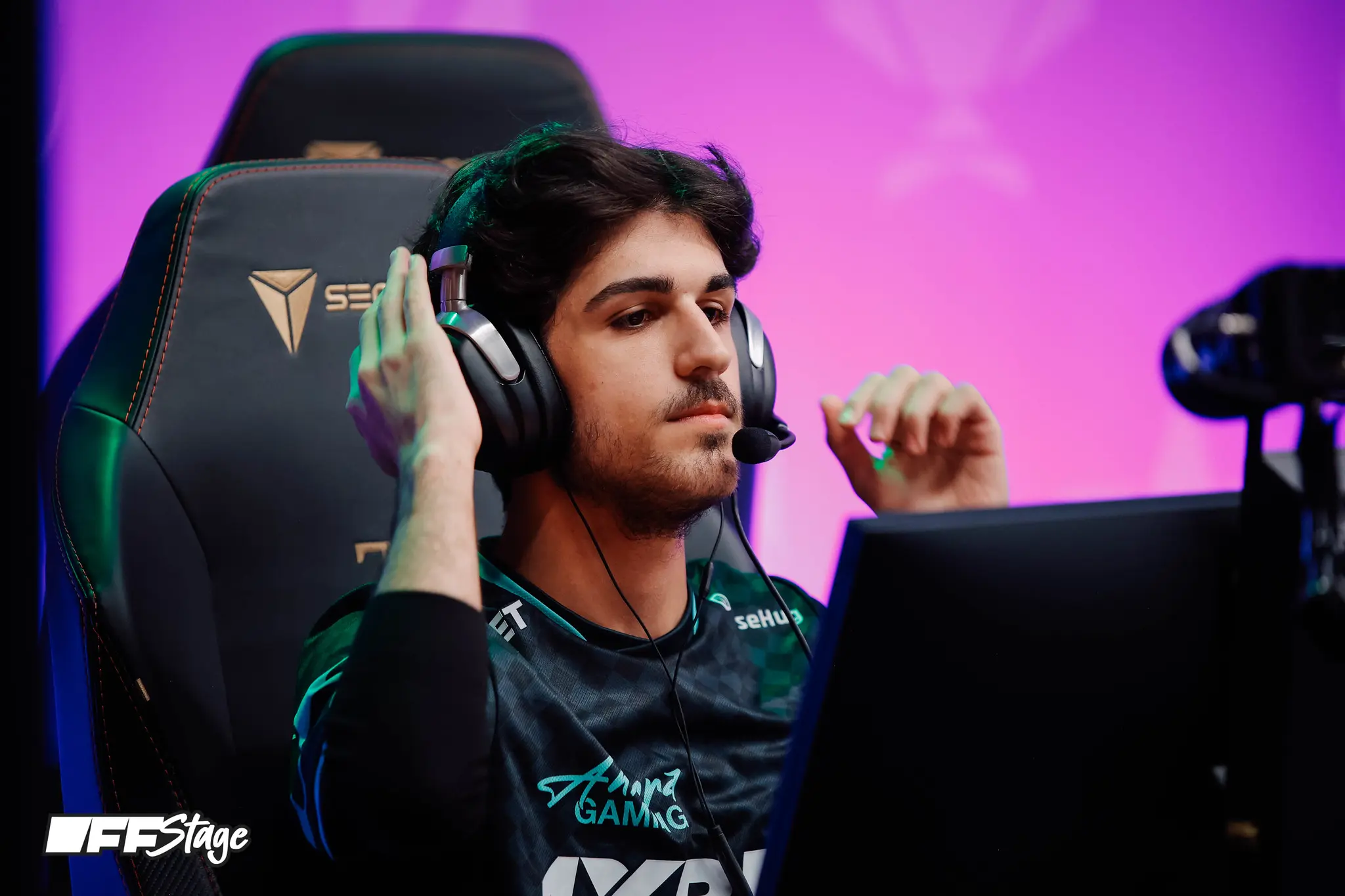
TaZ commented on the three-month restriction on changing VRS regions

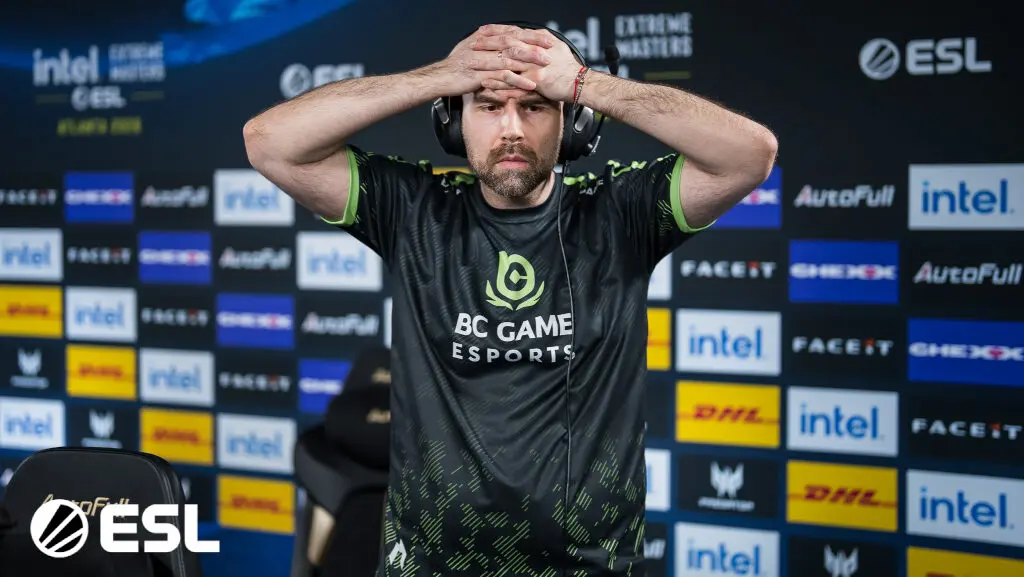
BC.Game Esports head coach Viktor “TaZ” Voitas spoke out about Valve’s emergency rule change and explained the logic behind the club’s transfer policy.
Counter-Strike has been my life for over 20 years. I have enormous respect for Valve and for what it has built around this game. I would never speak disrespectfully about the company’s decisions, even if I disagree with some of them.
BC.Game Esports has a clear goal in Counter-Strike: to build a team capable of consistently competing in Tier 1 tournaments and ultimately contending for the biggest trophies. We also understand that achieving this takes time.
There has been a lot of talk lately about our roster decisions, so I want to provide some context.
When we signed Senzu and mzinho, the goal was never to become an Asian team. We invited them because we sincerely believe they are two of the greatest talents in Counter-Strike—not just in Asia, but worldwide. At the same time, people sometimes underestimate how challenging the transition to an English-speaking international team can be. Even the greatest talents need time to adapt to a new language, system, and environment.
Just recently, we signed asap from Australia. This move resulted in BC.Game Esports being classified under the Asian VRS ranking, and we were immediately labeled as rule-breakers.
I’ll be honest: qualifying for the Major was one of the factors behind this decision. Our previous results left much to be desired; we felt a roster change was necessary, and competing for the Major through the Asian ranking gave us a more promising opportunity. The Major remains one of the few tournaments where a successful result can dramatically accelerate a team’s rise in the VRS.
But I had one more condition. We conducted extensive scouting across the APAC scene, and I made one thing very clear within the club—even if it jeopardized my own position: we won’t change regions just for the sake of changing regions. We’ll only sign a player if we believe they have the necessary skill level and potential to significantly improve our team and maintain its competitiveness.
We followed the rules in place at the time, assembled a roster that met the criteria, and subsequently appeared in the Asian VRS rankings. That is why I find it difficult to accept the introduction of a new three-month regional restriction at this stage of the Major qualifier cycle and its immediate application to the upcoming championship.
I can understand the purpose behind this rule. What’s really hard to accept is the timing.
Teams and players make roster decisions, sign contracts, travel around the world, and plan their competition schedules in accordance with the regulations currently in effect. Changing these rules shortly before the qualifiers sets a dangerous precedent for organizations that make decisions based on the regulations in effect at the time.
No one gave us any guarantees. We still had to compete. We still had to earn points. And we could still have failed to qualify in both Europe and Asia.
We’ll reach out to Valve, accept whatever final decision is made—whatever it may be—and focus on what we can control. We have tournaments ahead of us, a young roster that still needs time to gel, and the same goal we’ve had from day one: to break into Tier 1 Counter-Strike and compete for trophies.
Read also: The community reacted to the restriction on changing VRS regions: “Sashi Esport was the last straw”
Earlier, HLTV Editor-in-Chief Milan “Striker” Shveida shared information received directly from Valve, according to which the company may be able to help BC.Game Esports retain its spot in the European VRS rankings, as the team changed its registered address before the rule changes were published.
Photo by Luc Bouchon, ESL.