YNk on Natus Vincere: “Inaction costs the club far more than potential spending on transfers.”

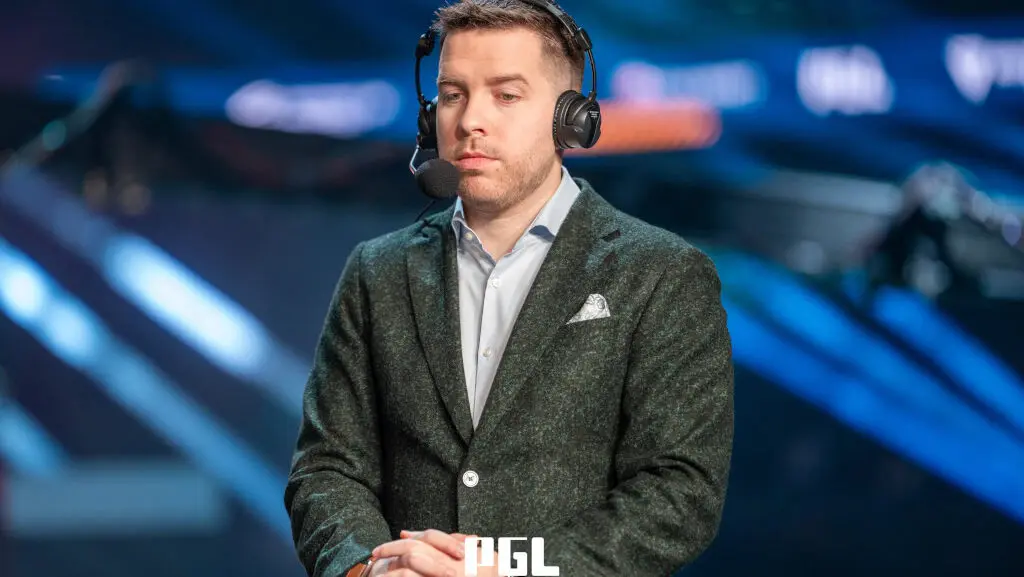
Analysts and commentators Jason “moses” O’Toole, Yanko “YNk” Paunović, and Chad “SPUNJ” Burchill discussed Natus Vincere’s current slump in CS2 results and reflected on the need for roster changes in the latest episode of the Talking Counter podcast.
On the impact of the lack of substitutions on Natus Vincere’s results
YNk: Right now, inaction is costing the club much more than potential spending on the transfer market. Due to a lack of decisive action and targeted roster changes, the club suffered a crushing defeat at the EWC, losing its spot in the Club Championship and forfeiting approximately $1 million in potential revenue. We’re talking about massive losses for the entire organization, not to mention the tens of thousands of dollars in prize money lost due to finishing at the bottom of the standings at major events. The organization is now paying a very high price for its passivity, which directly threatens its qualification for the next Major. Under these circumstances, management needs to weigh both sides of the coin and acknowledge that cutting corners on roster reshuffles leads to even greater financial losses.
On the club’s appeal to esports players
moses: In your opinion, do the prestige and history of this club still act as a magnet for players? I’m not talking about young guys who just want to make a name for themselves. Let’s imagine that Aleksib and iM leave. Will this team still be a promising destination where people will be clamoring to join, saying, “Damn, I’d really love to play with w0nderful and makazze”? Well, maybe FaZe or Liquid are currently competing at the very edge, but I’m not so sure about NAVI. I hope, of course, that they’ll find a way out. And to be honest, even if they do fall to that level, it’s no big deal. The main thing is whether they can make a comeback afterward—that’s the coolest story of all. So I don’t mind if they slip and make some roster changes, as long as they come back later. To answer my own question: the club’s prestige and history will draw people in either way. That’s how I see it. But right now, the team isn’t performing well enough for esports players from other teams to say, “Yeah, I definitely want to play with these guys.”
On the club’s history and the current crisis
SPUNJ: If you look back at history, every renowned club had its golden age. At the very beginning, the organization didn’t really do anything except sign players. There was no additional support back then—just a salary, plane tickets, and a place for boot camp. The esports players themselves accomplished legendary feats and got the entire Counter-Strike world talking about the team. NAVI went through several such phases. It managed to weather the generational shift and even won a Major after a major restructuring. <...>
Ultimately, it transitioned to an international format and has performed quite successfully since 2024. The team won a Major in 2024, claimed trophies last year, and has won titles this year. And right now, it’s going through its toughest stretch in a very long time.
Read also: moses on Natus Vincere potentially missing the Major: “I guess it’s time for some changes.”
In the previous episode of the Talking Counter podcast, Jason “moses” O’Toole and Chad “SPUNJ” Burchill discussed the development of the semi-professional scene in Counter-Strike 2, its impact on the market for young talent, and the significance of ESL tournaments.
Photo: PGL.