BSJ recommended heroes for all positions for the Dota 2 Patch 7.41d meta


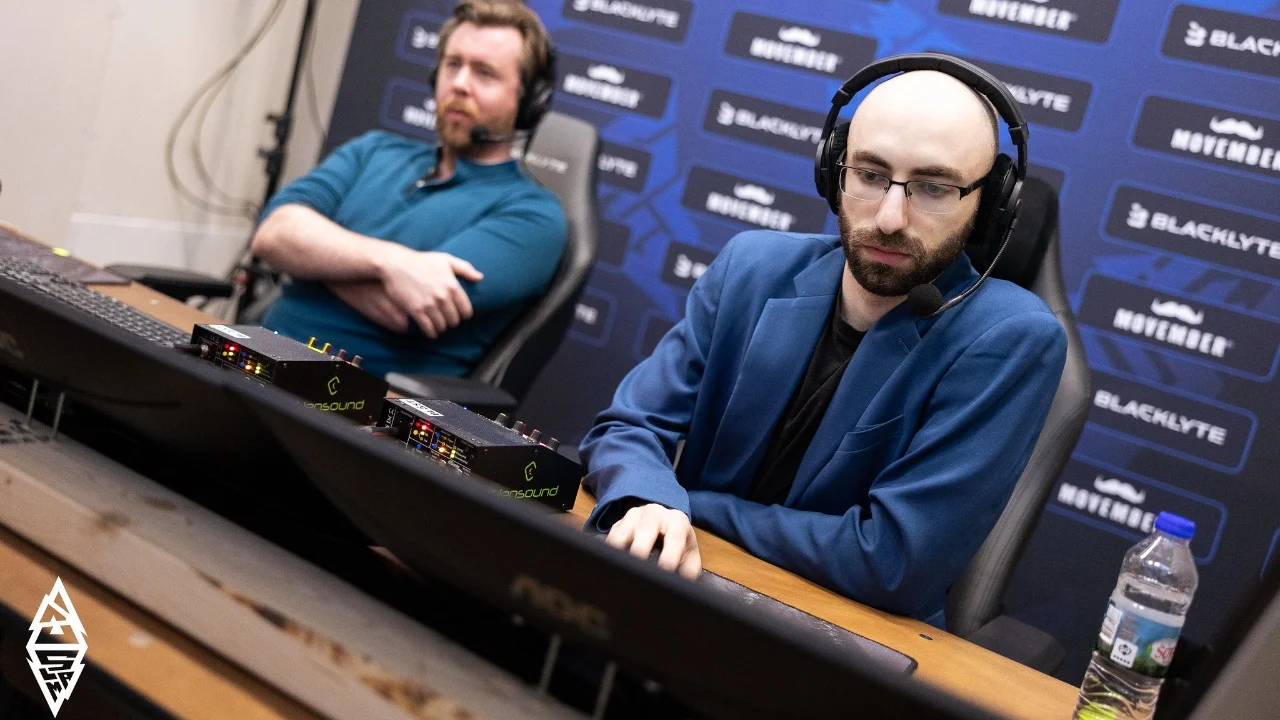
Analyst Brian “BSJ” Canavan shared his perspective on hero rotation cycles within the meta in a YouTube video and recommended heroes for the current meta.
About the Meta
Every meta in Dota’s history follows what I call a standard progression. The first stage of any meta is identifying heroes that are simply better than everyone else. Their stats are too high; they dominate every lane. These are the strongest carries in the game, no matter who they’re playing against. I believe these heroes are the best to learn in any patch because they can be used in a wide variety of situations, and they’re the ones you’re most likely to see most often.
The second group of heroes consists of those that naturally gain popularity because they either synergize very well with other meta characters or counter them very effectively. You’ll often see them on the professional scene. It’s important to understand that, yes, they exist, but if you don’t use them correctly, they might not be as effective for you.
And the third layer of the meta is how well “broken” heroes have stood the test of time: are they still good, despite the counters that have been discovered? And if these counters are truly effective against meta heroes, then we have to look for counters to the counters.
On the Best Heroes of the First Phase of the Meta
The four [top lane] heroes that were blindly picked in virtually any matchup where they could reliably scale into the late game are Shadow Fiend, Drow Ranger, Lone Druid, and Kez. All of them have a relatively strong laning phase, excellent timing in the mid-game, and they consistently hit those timing windows. <...>
Moving on to mid lane, there were also about four heroes there that stood out as broken; they were all picked very early in the draft. These are Earth Spirit, Ember Spirit, Puck, and Invoker. <...>
There are only a couple of offlaners that fall into the first category. The first is Centaur Warrunner. <…> The other offlaner I saw in significant numbers is Axe. <…>
Moving on to the fourth position, I most often saw strong ranged heroes for trading damage, who helped survive the early pressure on the lane. These were Hoodwink, Dark Willow, and Mirana with a upgraded Celestial Quiver. <...>
And the final position—fifth. The cream of the crop right now seems to be Treant Protector, Clockwerk, and Bane. All three are incredibly strong and dominate the lane, synergizing perfectly with the carry pool. You could argue that they’re poised to move into the second phase. It’s a chicken-and-egg situation: are ranged carries good because these heroes are good, or is it the other way around? I think the fact that both are strong makes them overpowered, because they can be combined.
On the Best Heroes of the Second Phase of the Meta
So, let’s start with the carry role. The heroes I’d classify in the second category are Lina, Clinkz, and Alchemist. <...>
Moving on to the second position for the second phase, the heroes I thought we’d see earlier in the tournament [This refers to the Esports World Cup 2026. — Ed.], but who only started appearing by the second week—and yet still showed tremendous success—are the ones who dominate the lane against Ember Spirit, Earth Spirit, and Puck. I mentioned Invoker earlier. To be honest, I don’t think Invoker is easy to counter in the lane; supports who come to mid often help with that. But if we’re talking specifically about Ember Spirit, Earth Spirit, and Puck, Slardar has performed the best against them. ...> Another option is Lina, who can be played as both a carry and a mid laner. She’s also very strong against all three of them in the lane, scales well, and fits perfectly into her team’s timing. And the third option is Necrophos. <...>
Moving on to the third position, the counters to all these long-range heroes are heroes with summoned creatures that simply swarm around you. The heroes that became very popular in the meta were Enigma, Beastmaster, Lycan, and Dark Seer. These were four offlaners who became very popular precisely because of these ranged carries. <...>
As for supports, I wouldn’t say there was a second phase in this meta. The most important thing I noticed in the support role was one of two things. First of all, teams that advanced far in the tournament began preemptively countering very popular core heroes. For example, if Ember Spirit and Puck were still in the pool, teams would pick Shadow Shaman. So if there are a lot of elusive mid laners in your games, the best thing you can do as a support is to preemptively counter the heroes that cause you problems.
Shadow Shaman started getting picked quite frequently later in the tournament. Another hero you love in pub games—and one that became popular thanks to Centaur with Heart and tanky offlaners—is Witch Doctor, because Maledict simply wipes them out, especially in the lane, and you can kill them in the mid-game as well. His lane survival was also excellent, so people would often farm even at 0:1:1 and just trade blows to stay ahead.
Toward the end of the tournament, support heroes became much more popular. I mentioned Undying with his Shard and Tombstone—his popularity was on the rise. Ringmaster was also becoming popular against Bane because a way to counter Grip was needed, and Shadow Demon didn’t seem to be very popular. So I’d only play Ringmaster if the opponent had an ability that required saving teammates from. Ringmaster may be a jack-of-all-trades, but I’d pick him solely for the save, because that’s what players at the highest level prioritized.
And last but not least: one of the most dangerous “fives”—in the sense that you have a chance to simply mess up your button presses and ruin the game for your team. Despite this, I think she’s really good and popular—I’m talking about Winter Wyvern.
Earlier, former OG Dota 2 coach Mikhail “Misha” Agatov offered some advice on playing Drow Ranger. “You don’t have the kind of timing that a classic carry has. You’re strong from the fifth minute until the end of the game—endlessly, nonstop,” he noted.
Photo — BSJ.