Cheshir commented on the prospects for current esports disciplines
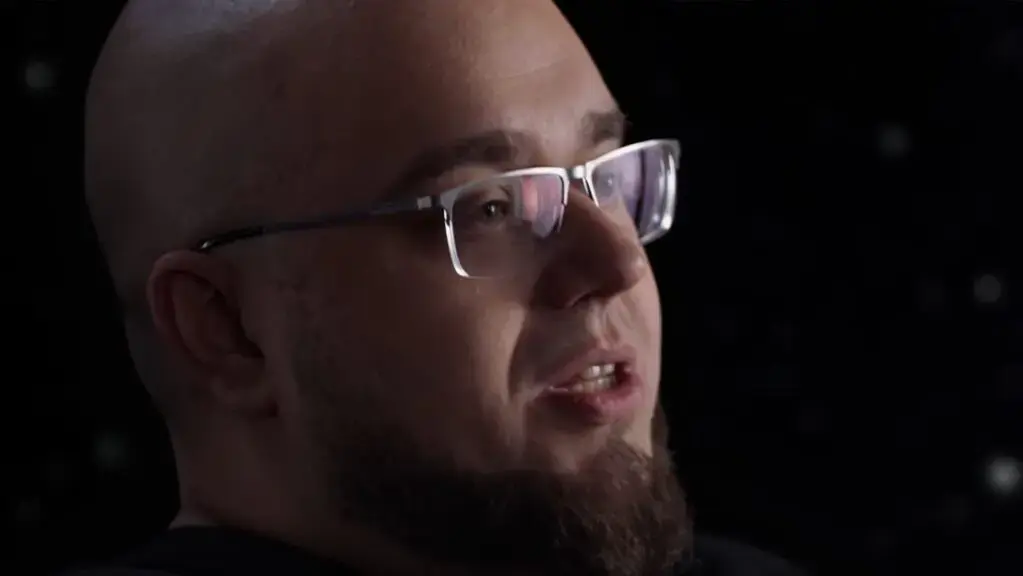
Team Spirit CEO Nikita “Cheshir” Chukalin spoke on his personal Telegram channel about the future of Dota 2 and other esports disciplines, and also discussed the “Dragons’” plans for expansion in esports.
Quotes are reproduced with the source’s spelling and punctuation intact
On Team Spirit’s new esports rosters
We are constantly considering expansion into new disciplines, but right now we don’t see any interesting options for ourselves. A strategy focused on the EWC infrastructure doesn’t seem particularly effective for our project, so we are only considering standalone disciplines that are relevant to our business model. In the first half of 2026, we had a real opportunity to get involved in Valorant, but after much consideration, we decided against it—at least for the time being.
On the “death” of Dota 2
The phrase “dying” carries a very emotional connotation. Esports in Dota is indeed on a downward trend; this is evident across all metrics, primarily in terms of audience engagement with tournaments. As for the reasons, there are many, and they often stem from one another. The TI prize pool is just a red herring—an easy scapegoat for all the failures—but the main problems lie in the complete lack of infrastructure during the competitive season. In this state, the tournament market has turned into a pure conveyor belt, where the main goal for tournament organizers has become to hold as many games as possible in a short period of time to satisfy the needs of the business and their sponsors. This is one of the main reasons, in my opinion, though there are actually many more. When it comes to profitability, Dota has never been a discipline with a solid financial model for clubs—there are no royalties from the publisher, no stickers, and no revenue-sharing programs. And there never have been. Even in Dota’s best years, the pool of clubs was smaller than in CS:GO, for example, so this situation is entirely to be expected.
On the prospects in different disciplines
It depends on your perspective. If we’re talking about young esports players, the structure that has now taken shape in CS2 looks very promising, primarily in terms of the social ladder and opportunities even for semi-pros. From a club’s perspective, I don’t see any such opportunities right now; we’ll see if Deadlock can build a stable audience after its release—we’re keeping a close eye on this discipline.
Earlier, former esports player Artem “Fng” Barshak commented on Team Spirit’s issues at the end of the Dota 2 tournament season: “It seems to me that panto wasn’t their biggest problem—although there was a noticeable lack of synergy and mutual understanding within the team—but the main issues were with the drafts.”
Photo: Team Spirit.