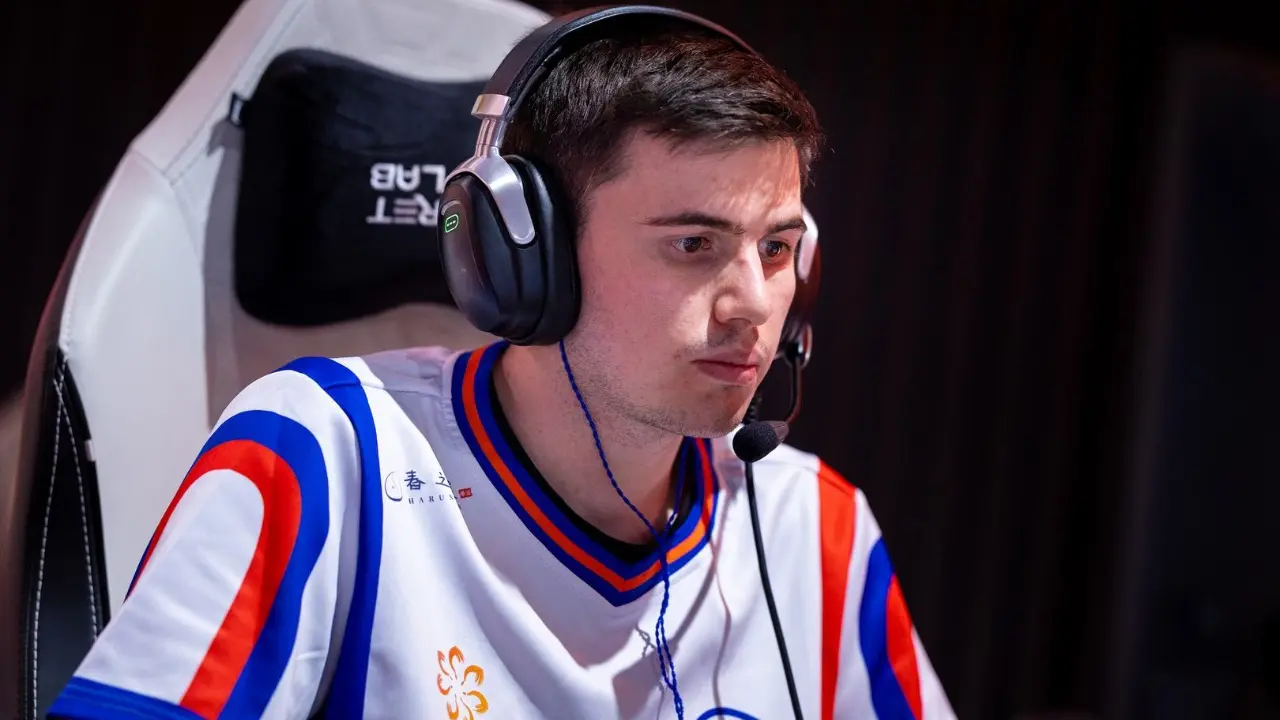
Illidan: “What’s happening at Spirit really resonates with me. That’s the main reason I’m here, actually.”

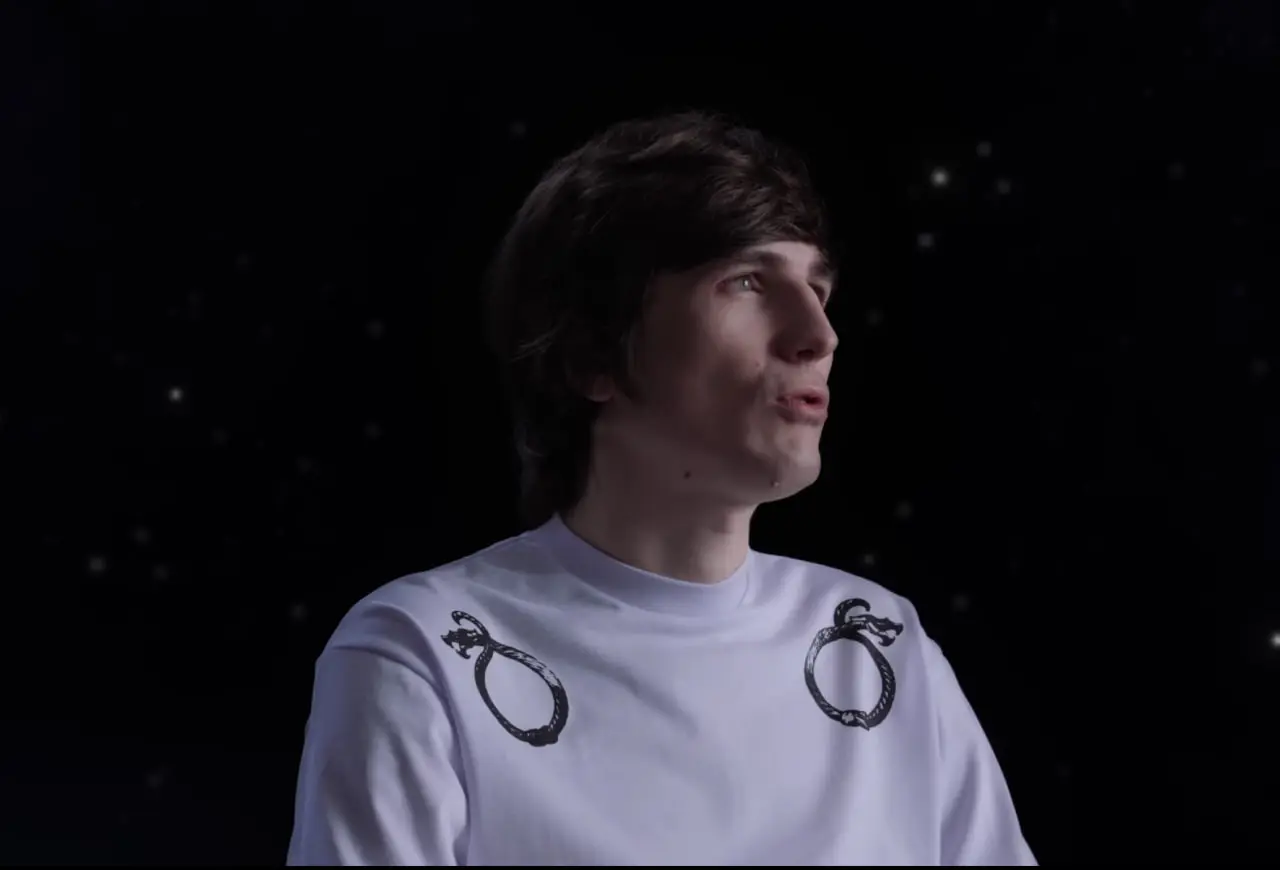
Yellow Submarine coach and Team Spirit streamer Ilya “Illidan” Pivtsaev spoke in an interview with the club’s YouTube channel about the differences between old-school and new-school players, Team Spirit’s approach to roster building, the roles of management and players in decision-making, and the success of the Dota 2 championship roster.
On old-school and new-school players
Being the same age as the current players, I wouldn’t say we were much more mature. We were certainly more social. I mean, my generation and those who came before me grew up, one way or another, in computer clubs. We weren’t yet the internet generation. I didn’t get internet access until I moved to Moscow at age 14. Before that, I basically had no idea what it was, to put it bluntly.
So yes, we were more social. But can you call that maturity? I’m not sure. Because when I listen to kids who were raised by good people, good mentors, I feel that in some ways they’re definitely more mature. They have more professionalism, they’re more hardworking, and they’re less of a slacker. All in all, a lot has changed for the better. But perhaps this is a necessary sacrifice in the form of less socialization.
On a special approach to working with players
I really relate to what’s happening at Spirit. That’s the main reason I’m here, I think. A lot of what they do in team building resonates with me. I mean, the principles behind how the team is built, and who holds the authority within it. Back in 2014–2015, I probably said that players shouldn’t be the ones deciding who they play with. And a lot of that has been implemented at Spirit.
I mean, there really are competent people there, and an understanding of how they want to do things. And that’s probably what really sets Spirit apart from the rest. It seems to me that other organizations are still at the mercy of the players’ wishes. Maybe it’s a lack of personnel. Maybe it’s a different vision of the whole thing. I don’t know exactly what it is, but the fact remains.
Spirit, starting with far fewer resources than other CIS organizations, built a Dota roster that was stronger for quite a long time. And a CS roster that was also stronger for a while. I think comments are even unnecessary here, to be honest. The results speak for themselves.
I think the model where players make all the decisions is doomed to fail no matter what. Of course, I don’t know all the inner workings of professional soccer, but I don’t see players at any soccer club deciding who’s in the starting lineup and so on. That is, their opinions are certainly taken into account. It’s the same at Spirit, of course—they listen to the players. But the person who presses that red button and makes the final decision can’t be a player.
To some extent, players are all idiots. That includes me, and it includes anyone. You can’t objectively assess the situation from the outside because you’re right in the middle of it. Decisions regarding the lineup should be made by someone who isn’t directly involved in the games.
On the success of the Dota 2 roster
Let’s be honest, I think Spirit in its current Dota 2 lineup is a dream team. I think without any of the players they had, this team wouldn’t be what it is today. And as for who contributed what percentage, I honestly have no idea.
Undoubtedly, this team wouldn’t exist without Cheshir, without Korb3n, without DKLana, without Yatoro, or without anyone else on this team. I sincerely believe that they won their first The International just as OG won their first The International. It turned out that what they had been doing all this time paid off at this very tournament. And that’s actually wonderful. I was genuinely rooting for this roster.
Once, Nikita and I had a conversation about what place Spirit would take at The International, the first one, the one they won. At the time, I said that the main thing for me was for Spirit to finish higher than VP. Nikita added, “Well, top 6, because you don’t want your result to be surpassed.”
I said, “I don’t care, just win. Ideologically, it’s important to me that you finish higher than Virtus.pro.” Because Virtus.pro is a team that was built on individual skill, on the players’ opinions—on all of that stuff that, to be honest, I hate so much about esports. I genuinely rooted for that roster. And what happened—that’s truly history.
And I truly believe that without that one link, it might never have happened. From an ideological standpoint, the most crucial match for me was VP vs. Spirit. And I think it was precisely the lack of internal pressure back then that helped Spirit win that series.
Spirit’s victory undoubtedly opened up a goldmine of sorts for any organization looking for young talent. Everyone started repeating this story, recruiting young players. But it seems to me that other organizations lacked other key changes. I think there was a lack of competence among the leadership. The shortage of personnel also played a role. There is no second Korb3n; he simply doesn’t exist. I don’t know if there is one in Europe, China, or America, but there is definitely no second Korb3n in the CIS. Not even close.
Earlier, Yellow Submarine coach and Team Spirit streamer Ilya “Illidan” Pivtsaev spoke about his work as a coach for the team, noting that coaching takes a heavy toll on him both mentally and physically, and also admitted that he feels exhausted by the team’s current level and the constant effort required to develop it.
Photo — Team Spirit.