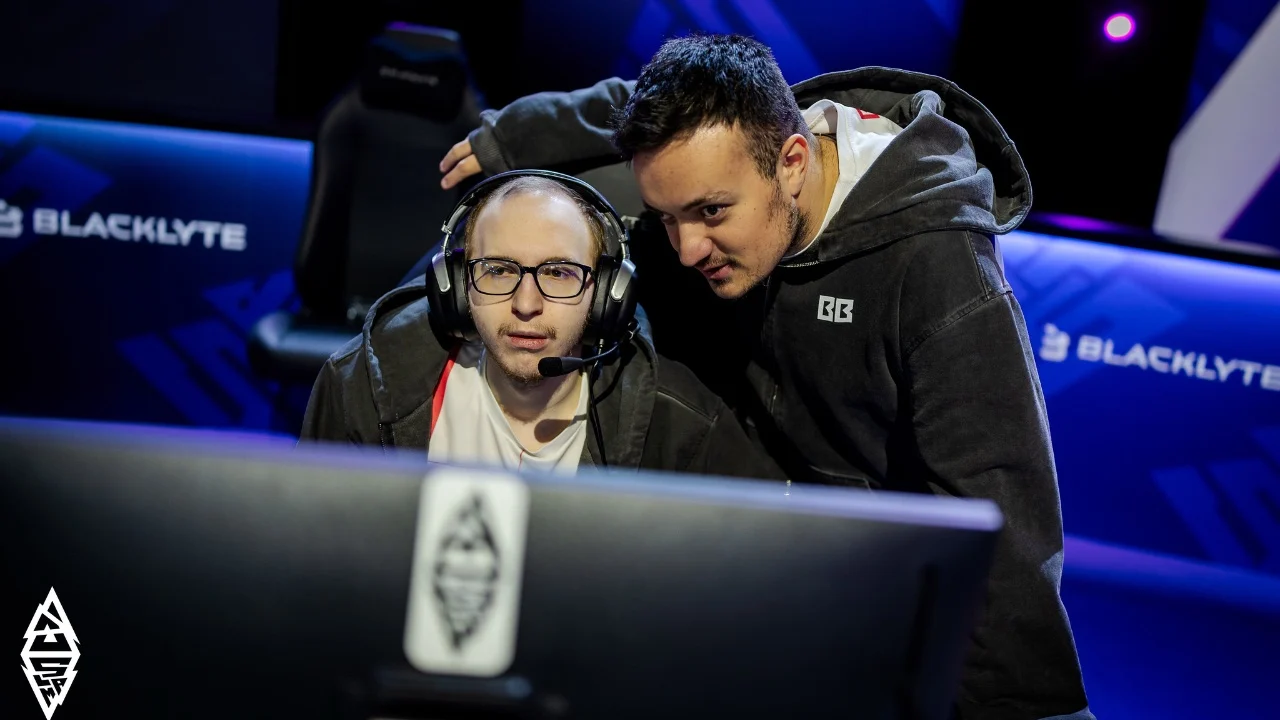
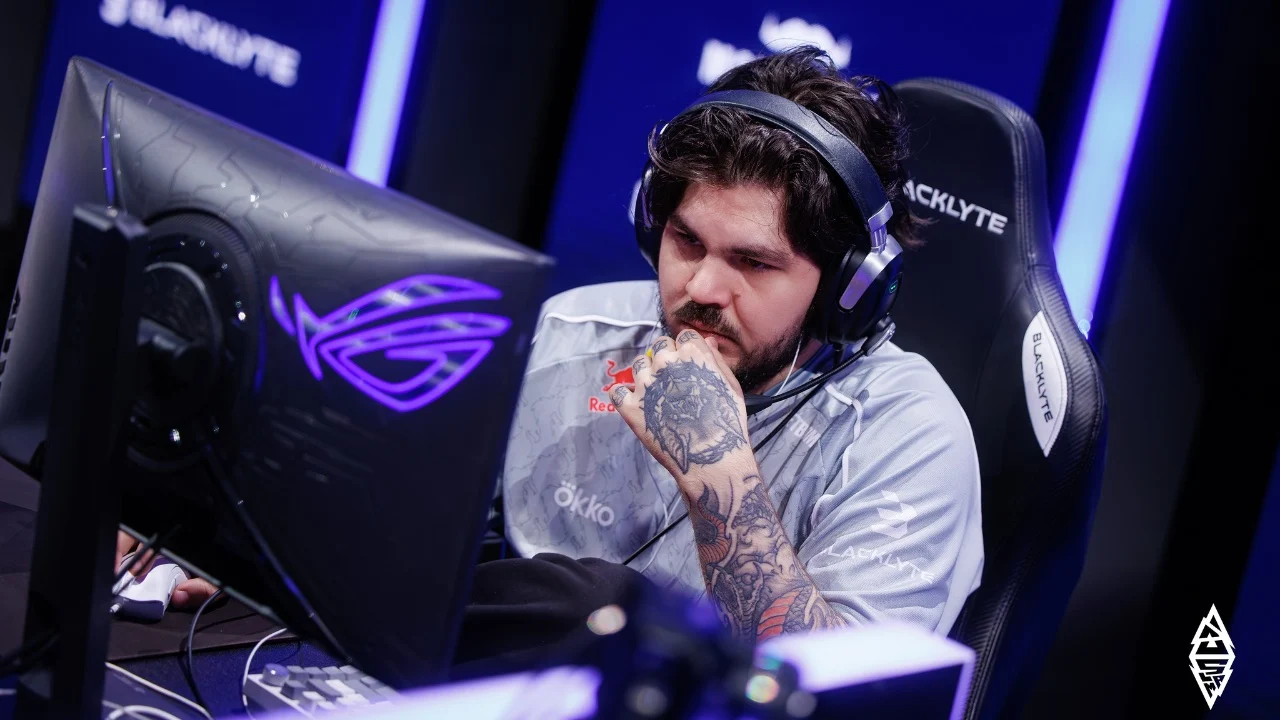
Speeed has released a guide on Tiny in Dota 2

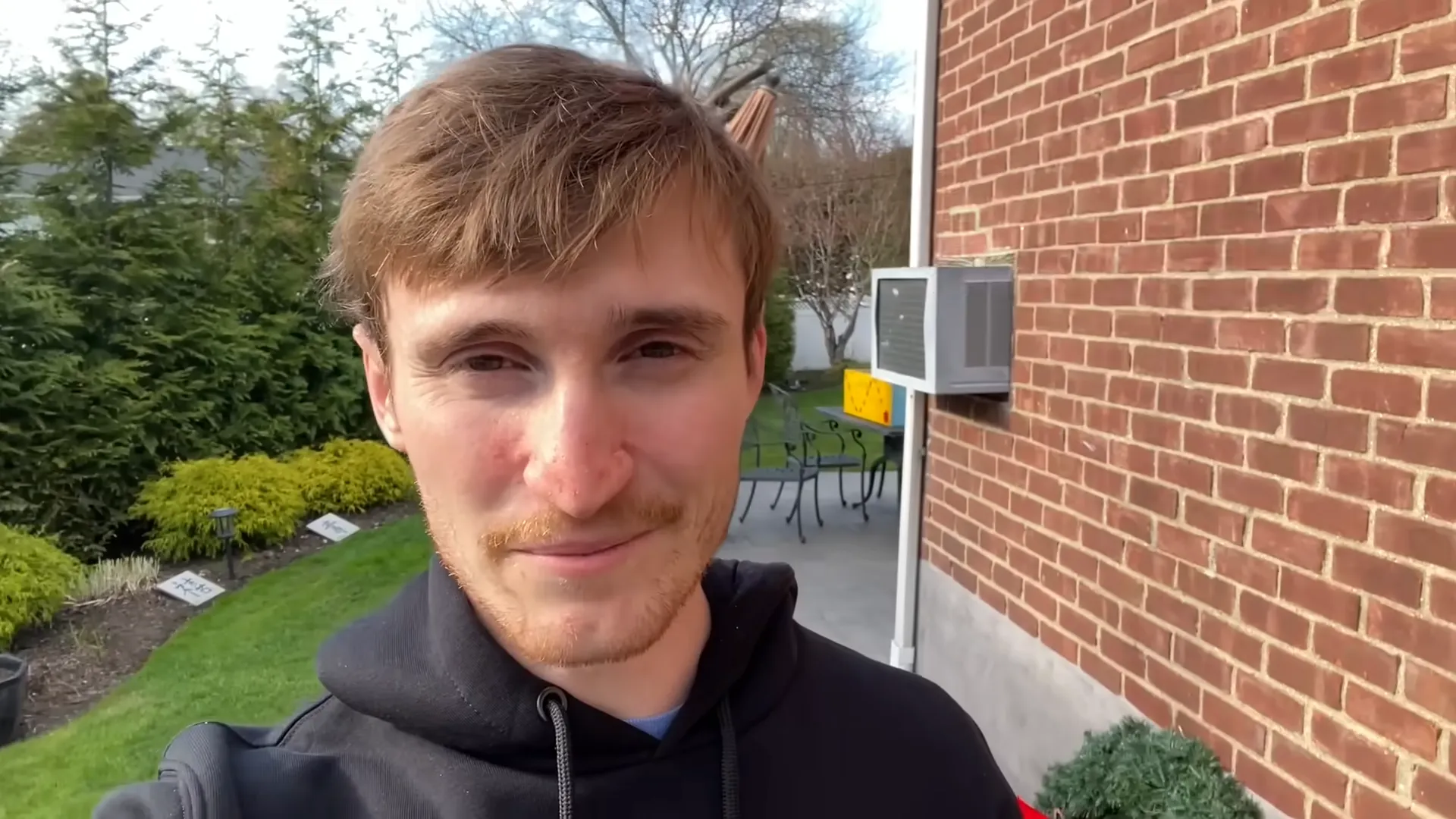
GamerLegion support player Paul “Speeed” Bočićio analyzed PARIVISION’s carry player Alan “Satanic” Galyamov’s carry performance during the 2026 Dota 2 Esports World Cup, and also provided a detailed breakdown of Tiny’s mechanics, discussing the hero’s strengths, item choices, and gameplay strategies at different stages of the match.
About Satanic
Satanic just won the EWC. He’s arguably the best player in the world. If you ask many people who the best player in the world is right now, I think most would say Satanic. His results are absurdly consistent—it’s just insane. I’ve played with him in public matches, and what he says in voice chat—sometimes it’s on such an advanced level… Basically, it’s easy to understand, but at times it’s really hard to follow. And I’m like, “Damn, that’s incredible for someone his age.”
About Tiny’s innate ability
Tiny’s passive grants resistance to crowd control and slows, which scales with the hero’s strength. The more strength you gain, the less affected you are by stuns, slows, and other negative effects. It’s this trait that makes Tiny a “dive-and-escape” hero: he engages in a trade-off, deals damage, and pulls back, relying on his resistance to crowd control rather than armor or health.
About Tree Grab
This ability levels up with each level and only gets better over time: at level 1, it deals 5 hits of 10 damage each, and at max level, it deals 40 damage per hit, while the bonus attack range, damage to structures, and area of effect all increase. As the level increases, not only does the cooldown decrease, but so does the mana cost—a rare occurrence in Dota 2, where it’s usually the other way around. That’s exactly why Tree Grab is the first ability to level up: it’s the foundation of this hero’s farming.
About the Early Game
At level 1, Tiny deals 82 damage, but these attacks should be used almost exclusively for finishing off enemies, not for trading blows with opponents. Tiny has a short attack range, and he’s a slow, unarmored melee hero with a movement speed of just 275, so direct exchanges on the lane are almost always disadvantageous. Avalanche is leveled up at level two: the ability is quite mana-intensive, but it provides a 1.5-second stun and deals damage, so it’s worth saving for key moments—such as finishing off important creeps—rather than wasting it thoughtlessly.
About Items on the Lane
The starting build usually consists of a Magic Stick, two Gauntlets of Strength, and two Iron Branches—focusing on maximum damage right from level one. The first purchase in lane is a Belt of Strength, though some players prefer Boots of Speed or Gloves of Haste to apply even more pressure through last-hitting. It’s essential to buy items that restore health and mana: Tiny is weak in the lane, and trying to skimp on these usually leads to losing a tower and gradually giving the opponent an advantage.
On Laning
The jungle isn’t a priority in the early game, but after getting Boots of Speed and the third-level Tree Grab, farming neutral creeps becomes effective. A good neutral item is a priority: for example, Tumbler’s Toy and Quickened Charm are well-suited for a hero who needs both mana and the ability to quickly dive into and retreat from combat. At level 10, the +2 to Tree Grab hits talent makes jungle farming even faster.
On his role in the team
Tiny isn’t a solo carry in the vein of Terrorblade or Shadow Fiend, but rather a fast-paced hero for solo kills who works perfectly with other aggressive heroes on the team. Once he gets a Blink Dagger or Shadow Blade, Tiny becomes a threat to the enemy lanes: his resistance to crowd control, high health pool, and mobility allow him to pressure lanes and aggressively hunt down isolated opponents without resorting to reckless solo play.
On Using Abilities in Combat
The optimal sequence for maximum damage is Avalanche followed by a pause before Toss, rather than a combo without a pause: the bonus damage from the combo was removed from the game long ago. Use Tree Grab for the finishing blow only when it guarantees a kill or removes an opponent’s defensive effects, such as Glimmer Cape or Lotus Orb. If the target doesn’t die from the throw, hold onto the tree and continue attacking with it. Overall, the hero plays on the edge of combat: he deals quick damage, retreats, waits for the opponent’s Black King Bar to expire, and charges in again, rather than standing in the center of the fight.
Earlier, professional player Vladislav “Rein” Kosygin shared six current starting item builds for supports on his personal Telegram channel and explained the situations in which each one should be chosen.
Photo by Paul “Speeed” Bočičio.