From the shadows to the playoffs: how 9z defied our expectations

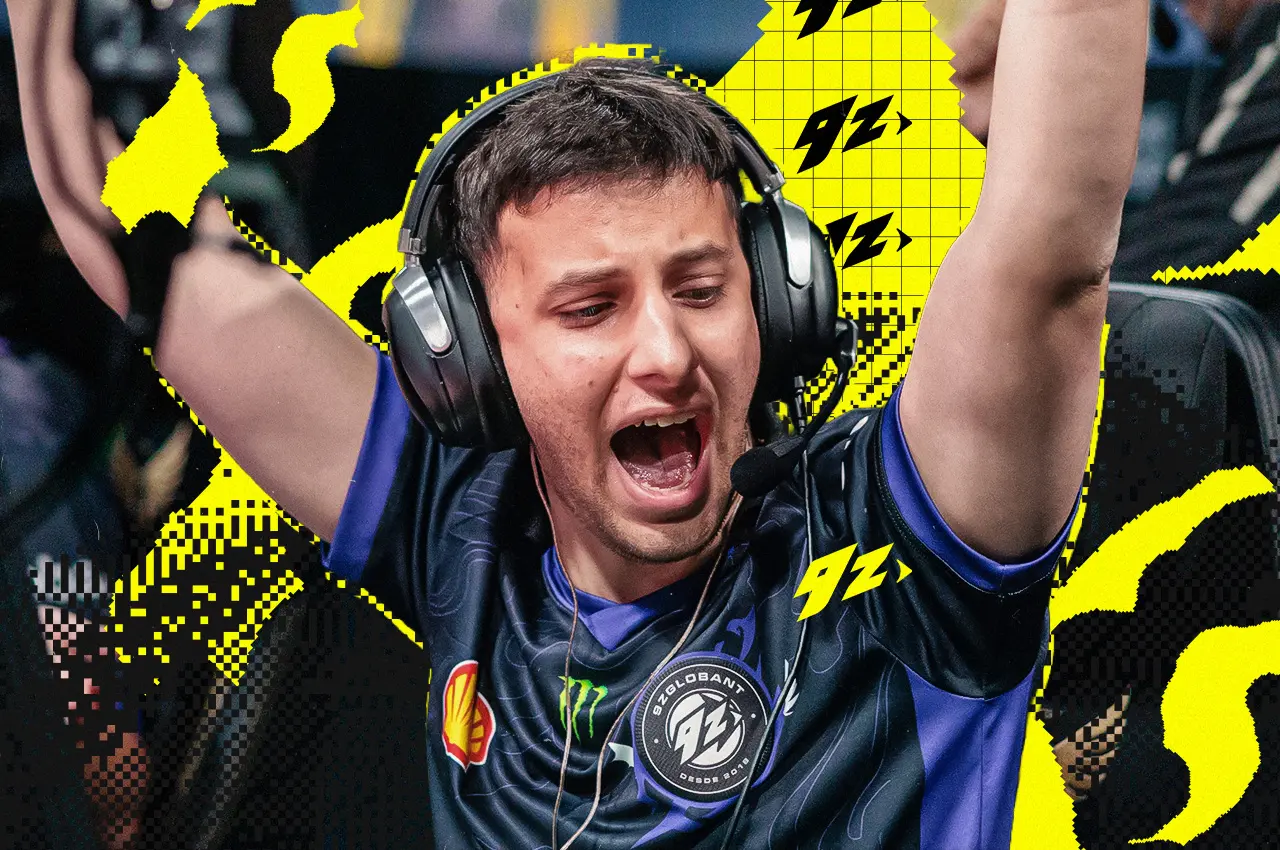
9z’s success at the IEM Cologne Major 2026 was one of the tournament’s biggest surprises. The Latin American team defeated Vitality, knocked out The MongolZ, and came within a few rounds of defeating Team Spirit. For a team that many habitually viewed as representing a weaker region, the result seemed almost unbelievable.
But this success was no fluke. By the start of the Major, 9z was already among the world’s top fifteen teams, having defeated MOUZ, Falcons, and PARIVISION, and its unconventional map pool seemed tailor-made for the season’s flagship tournament. Therefore, the real sensation wasn’t the team’s advancement to the playoffs itself, but how long the others refused to acknowledge its true level of play.
A team that continued to be considered an underdog
In Counter-Strike, the recognition of a team’s tag plays a major role. We’re used to seeing Natus Vincere, Team Spirit, Vitality, and MOUZ among the favorites. When it comes to teams a tier below, names like GamerLegion, Monte, Liquid, or other familiar European organizations are more likely to come to mind.
Against this backdrop, 9z was long viewed as a team outside the realm of serious competition. This attitude was understandable given the team’s performance in 2025. The team’s results took a significant nosedive, and at one point, it even fell out of the top 50 in the world rankings. However, the roster changed for the new season: Franco “dgt” Garcia returned to the team, and 9z gradually began to regain its footing.
By March 9, the Latin American team had climbed to 19th place in the VRS rankings. By early June, the team was ranked 15th—right alongside G2, PARIVISION, B8, and BetBoom. In other words, it wasn’t just some random team from the bottom half of the rankings that arrived at the Major, but a full-fledged top-15-level team.
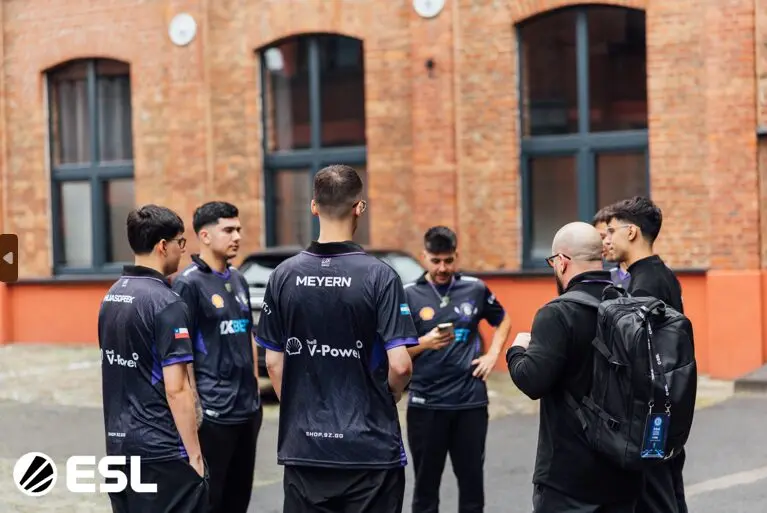
The problem was that many viewed their points as the result of playing in a weaker region. The thinking was that 9z had built up their ranking in matches against American teams, but a clash with European powerhouses would quickly put things in perspective. The first signs emerged long before Cologne. At the BLAST Open Rotterdam 2026, the team defeated MOUZ 2-1. Only Spirit and Vitality were able to stop them.
A single victory over a top-tier opponent isn’t enough to draw any serious conclusions, but in May, 9z solidified its standing at the PGL Astana. The tournament began with a 2-0 victory over PARIVISION. The Latin American team then defeated Falcons and beat MOUZ again—both times with a score of 2-1. In the playoffs, the team lost to magic, but by that point, it had already proven that it was capable of consistently competing with Europe’s strongest teams. 9z didn’t just appear out of nowhere at the Major. We were simply focusing on the organization’s name rather than its roster’s results.
Overpass, which they kept under wraps until the Major
The main feature of 9z in Cologne was their map pool; Overpass turned out to be their “go-to” map at the tournament. At first glance, there’s nothing unusual about this: the map had previously been considered one of the main ones for the Latin American roster. What’s far more interesting is how 9z utilized it leading up to the Major.
At PGL Astana 2026, the team didn’t pick Overpass even once. In the match against Falcons, this is easily explained: the “Falcons” themselves consistently picked that map. But Overpass didn’t appear in the series against PARIVISION, MOUZ, or magic either. Moreover, when selecting the deciding map for the match against MOUZ, it was 9z who opted out of Overpass and chose Ancient instead. Throughout the entire tournament, she preferred to play Inferno, Nuke, or Dust2 as her peak maps.
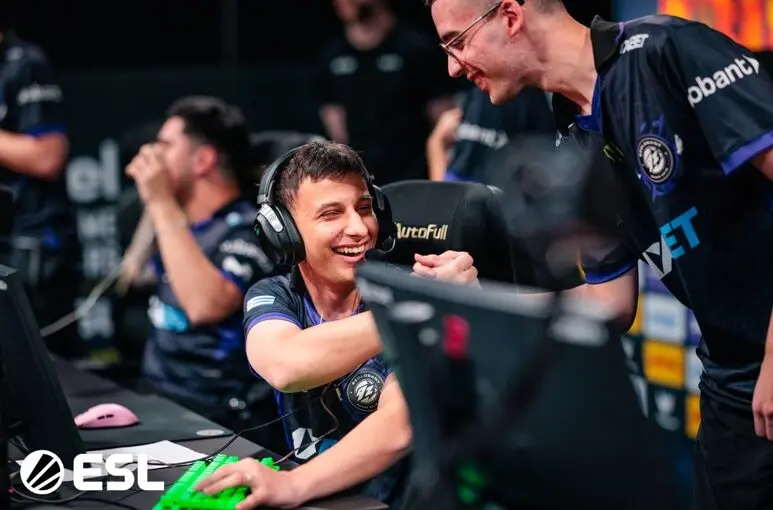
A month later, everything changed. In the second stage of the Major, 9z picked Overpass once against TYLOO. In the third stage, the team picked the map in matches against PARIVISION, Team Spirit, and The MongolZ. Another Overpass appearance came in the quarterfinal series against FURIA, where it was left as the decider.
This posed a problem for their opponents. There was almost no recent official footage of the map, and relying on 9z’s older matches was risky: during their preparation, the team could have completely changed their round structure, positioning, and set plays. PARIVISION became the first victim. Just a month before the Major, 9z had consistently chosen Inferno against them. In Cologne, the Latin American team unexpectedly opened the series with Overpass and crushed their opponent 13–1. But the team’s success wasn’t limited to just one hidden map.
Mirage as a trap for the opponent
In the match against Vitality, 9z could have picked Overpass again, but opted not to—the Latin American team banned the map during the final veto phase and left Dust2 as their underdog pick.
The team failed on their own map, Inferno. Vitality quickly won the first map 13-4, and it seemed that the series would proceed according to the expected scenario. But on Mirage, something completely different happened. By the end of the Major, 9z had compiled some extremely unusual statistics on this map. While defending, the team won 68.4% of the rounds—the best record among all tournament participants. While attacking, the Latin American team won only 25.7% of the rounds—the worst result at the Major.
That is precisely why Mirage turned out to be both one of the team’s strongest and weakest maps. 9z regularly left it up to their opponents to pick. This allowed them to determine the starting side and build their entire map strategy around their strong defense. Even if the first half went poorly, the team knew that after the side switch, they would have a chance to make a comeback.
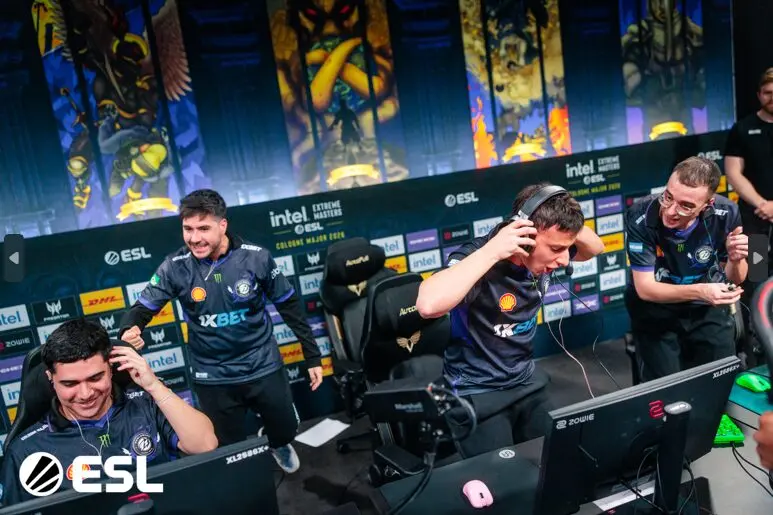
In the match against Vitality, everything unfolded according to 9z’s usual script. The Latin Americans started Mirage on defense and won the half 10–2, immediately establishing a comfortable lead. After the side switch, their attack didn’t look quite as confident, but the lead they’d built up was enough to secure the map with a 13–9 victory. It was a telling situation. Vitality chose a map where 9z had serious problems on offense, but it was the Latin American team’s rock-solid defense that allowed them to seal the match’s outcome as early as the first half.
On Dust2, there were no unusual tactical twists. It was simply a close map between the two teams, and in the end, 9z proved to be slightly stronger—13:11. The victory over Vitality was nothing short of sensational! But even in that win, a clear system was evident: smart map picks, well-prepared defense, no fear of an unfavorable start, and the ability to hang on in tight finishes.
The match against Spirit showcased 9z’s entire system
The next series against Team Spirit demonstrated the team’s strengths and weaknesses almost perfectly. 9z once again chose Overpass as their pick. The first half ended with a score of 9:3 in favor of the “Dragons,” and the map looked all but lost. However, after switching to defense, the Latin Americans responded with the same score, took the match into overtime, and won 16–12.
According to tournament statistics, 9z won 75.8% of their rounds while defending on Overpass. While attacking, that figure was only 46.9%. The difference is enormous—and it fully explains how the match against Spirit unfolded. While 9z was on the attack, their opponent controlled the game. After the sides switched, the Latin Americans found themselves in their natural element: they began reading attack directions, winning early duels, and saving their grenades for the late stages of the round.
Pistol rounds became a key strength. Out of the five Overpass maps played at the tournament, 9z won all ten pistol rounds. This guaranteed them a strong start to each half and partially offset their inconsistency in full-weapon rounds.
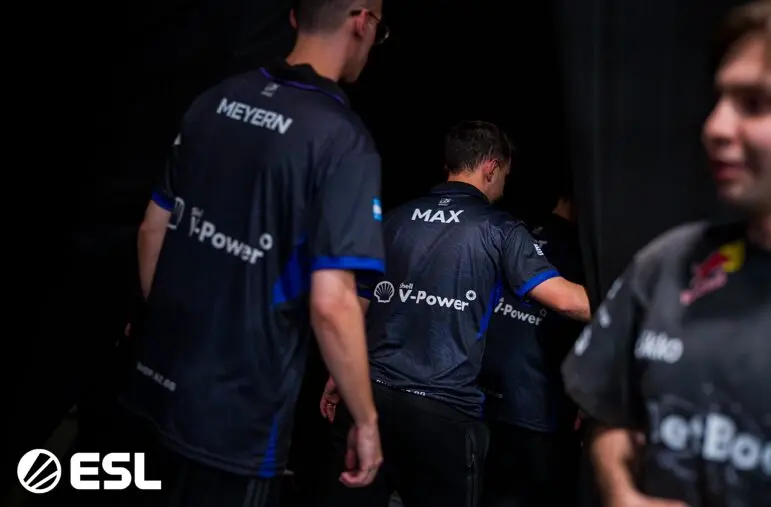
On Mirage, the situation took a different turn. 9z started on defense and took nine rounds, but lost their advantage after switching to offense. Spirit forced the map into overtime and won 16–13. The decisive Dust2 match was once again virtually even. Just as against Vitality, 9z didn’t look any weaker than the top team on a map that wasn’t considered their main strength. This time, Spirit came out on top in the end—16–14.
The Latin American team lost the series, but after that, it was impossible to view them as just another random participant with stats accumulated in their own region. 9z won a map against one of the Major’s top favorites and lost the other two only in overtime.
The MongolZ had no easy choice left
9z played the decisive match for a spot in the playoffs against The MongolZ. Here, virtually all the advantages of the Latin American team’s map pick came into play simultaneously. The MongolZ banned Anubis first. After that, 9z had the opportunity to eliminate Mirage—a map with excellent defense but an overly unstable offense, and one that serves as The MongolZ’s primary map.
The Mongols were forced to pick Inferno. The map was considered one of 9z’s strongest even before the Major, and at PGL Astana, the team regularly used it as their own pick. The Latin Americans took Inferno with a score of 13–8.
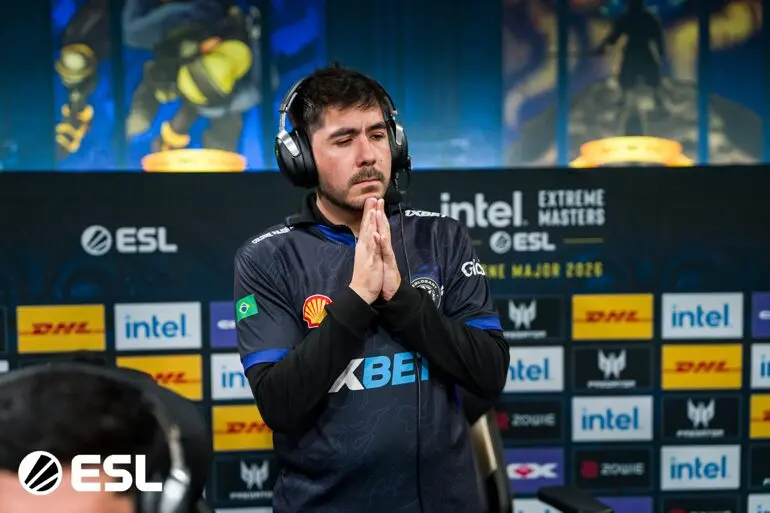
Next up was Overpass, which The MongolZ also lost—again, 8–13. Even a potential switch to Dust2 didn’t promise an easy match for the Mongolian team. Prior to that, 9z had defeated Vitality on the map 13–11 and lost to Spirit only in overtime—14–16. No matter how the veto phase played out, The MongolZ ended up on a map where their opponent had already proven their ability to play at a Tier 1 level.
Thus, 9z finished the third stage with a 3–2 record and advanced to the Major playoffs. Their victories over PARIVISION, Vitality, and The MongolZ are hard to explain away as the result of a single lucky map or randomly won clutch plays.
A single tactic wouldn’t have been enough
The right map pick helped 9z put their opponents on the back foot, but it doesn’t win matches on its own. The team entered the Major in excellent individual form, with Luciano “luchov” Herrera standing out in particular, finishing the tournament with a rating of 1.19 and a positive kill-death ratio of +35. He was also one of the team’s best players in Astana, so his performance in Cologne wasn’t a sudden burst of form.
dgt brought experience and stability to the team, while Ignacio “meyern” Meyer, Matías “HUASOPEEK” Ibáñez Hernández, and Maximiliano “max” González didn’t drop off enough for the entire system to depend on a single leader. In different matches, 9z could rely on different players to step up.
This was especially important in close series. At this level, tactical preparation merely creates an advantageous situation. Ultimately, someone still needs to land the first shot, win a clutch, or hold a plant under pressure. 9z had those kinds of players.
In the playoffs, the element of surprise ran out
In the quarterfinals, 9z lost to FURIA 1–2. The Latin Americans won Dust2 13–8 but lost Mirage 9–13 and couldn’t handle FURIA on the decisive Overpass, falling 6–13. By that point, it was already impossible to keep their map strategy a secret. Their future opponents obtained match replays against PARIVISION, Spirit, and The MongolZ, identified 9z’s reliance on specific sides, and were able to analyze the team’s pistol rounds separately.
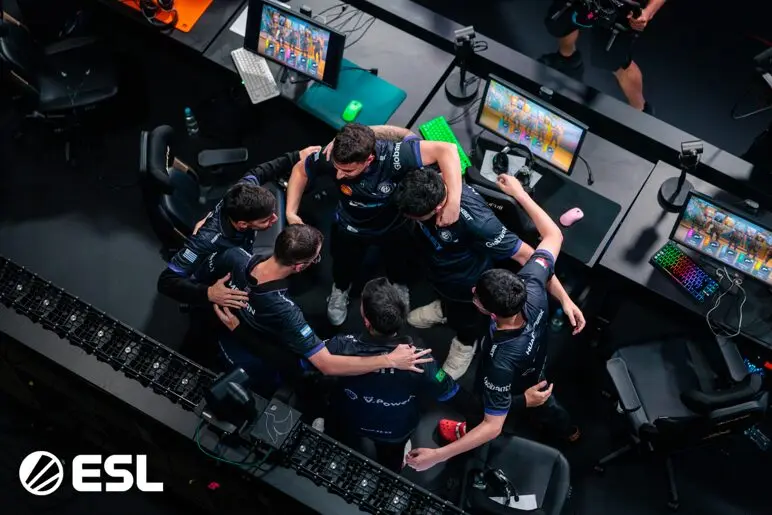
FURIA didn’t fall into the same trap as their previous opponents. They weathered a loss on the first map, took Mirage, and then confidently shut down 9z’s main weapon. This loss shows that the Latin American team is not yet unbeatable and has not resolved all of its issues. Their offense on some maps remained too weak, and their map selection was largely built around the possibility of securing a favorable side in the second half. Still, reaching the Major quarterfinals was a logical outcome for this roster, not a miracle.
A Sensation in the Making for Several Months
9z’s success stemmed from several factors. The team entered the tournament in its best form in a long time. It had already proven its caliber with victories over MOUZ, Falcons, and PARIVISION. For the Major, 9z kept Overpass under wraps, prepared one of the strongest defensive strategies in the tournament, and learned to use the veto system in such a way that even an opponent’s pick could turn into a trap.
Added to this were won pistol rounds, a high level of individual skill, and the ability to stay composed after a poor half. 9z came back from a 3-9 deficit against Spirit, closed out two tense maps against Vitality, and left The MongolZ with no comfortable options in the decisive match. Therefore, it would be wrong to call her performance a fluke.
9z didn’t jump straight from the top 50 into the Major playoffs. They spent several months climbing the rankings, defeating strong European teams, and gradually improving their map pool. It’s just that a significant portion of the audience continued to judge them based on last season’s results and stereotypes about the American region. The biggest surprise wasn’t that 9z made it into the top eight teams at the IEM Cologne Major 2026, but how long it took everyone else to recognize it as a true top-15-caliber team.