Sacrifices or Stars? How the New Generation of IGLs Is Changing in CS2

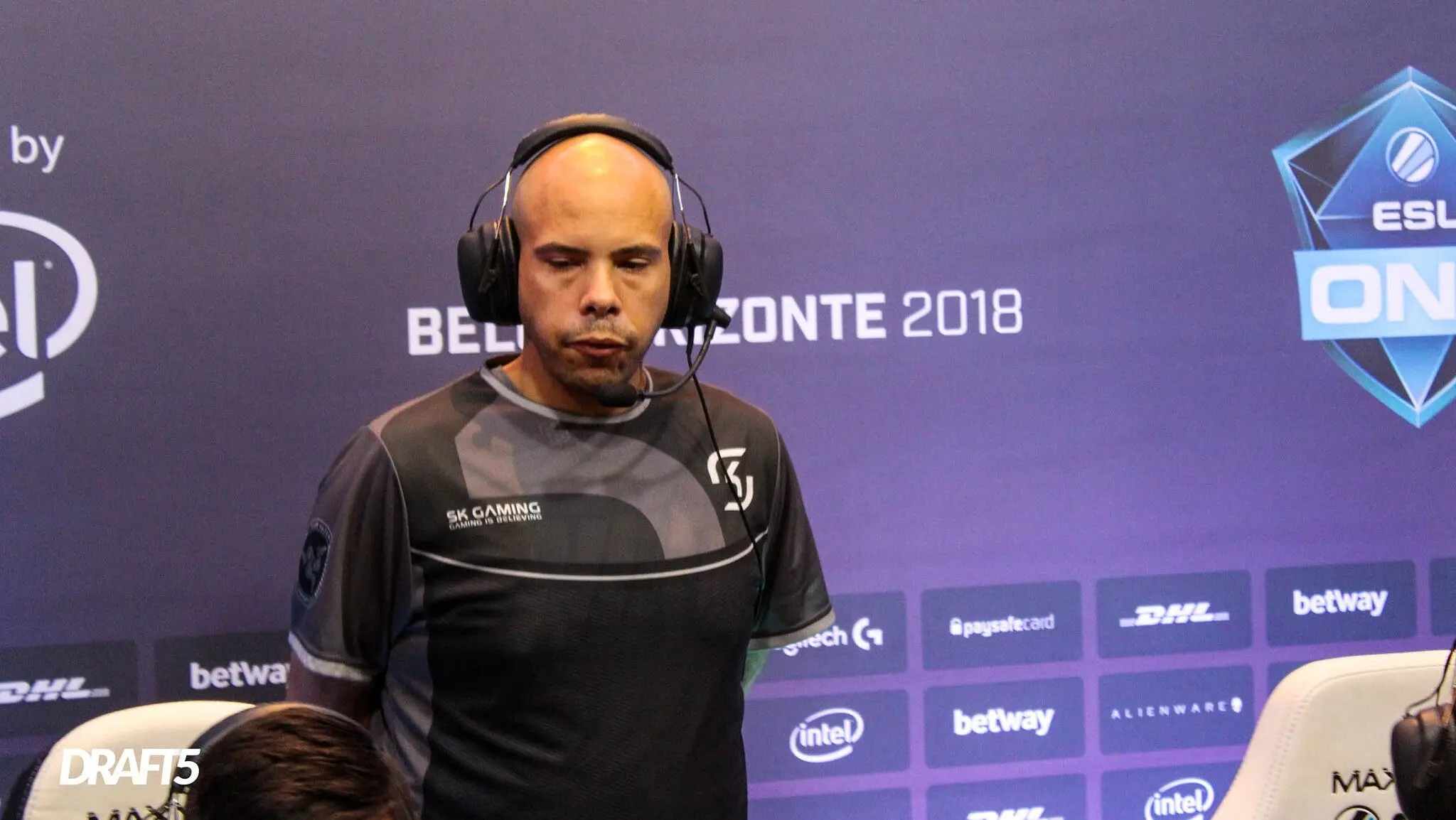
For a long time, the captain in Counter-Strike was the player the team sacrificed for the greater good. He was given the worst weapons, had to take uncomfortable positions, and was the first to be targeted by the opponent. He was expected to make good decisions, not rack up high stats. This model is epitomized by Finn “karrigan” Andersen, Dan “apEX” Madeskler, and Gabriel “FalleN” Toledo—all three of whom continue to compete at the highest level. Their teams don’t view a captain’s weak map pick as a disaster if he contributes through calls.
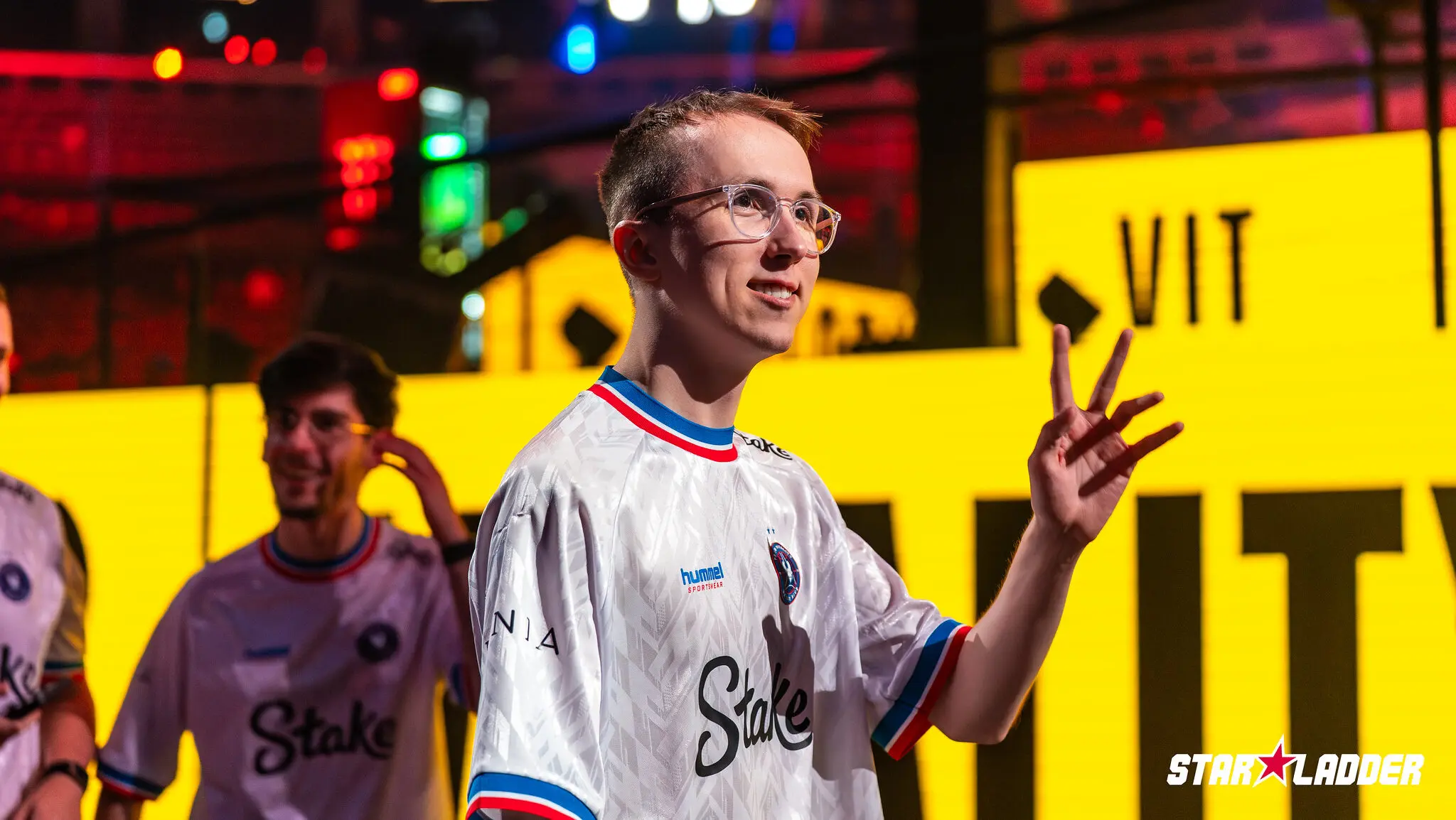
However, the new generation of IGLs is evolving by different rules. Organizations are increasingly reluctant to dedicate a spot to a player who influences the match solely through voice commands. A young captain must not only lead the team but also trade blows, create space, and win duels on his own. This trend is particularly evident in the handover of captaincy duties to Dorian “xertioN” Berman—MOUZ did not seek out yet another experienced IGL; instead, it entrusted calling duties to one of the team’s strongest riflers. But how typical is xertioN’s case? To answer this question, we need to look at current captains under the age of 25.
Why supports have traditionally become captains
The captain oversees several aspects of the game simultaneously. He must assess the economy of both teams, read the opponent’s movements, and choose the direction of the attack. At the same time, he manages communication and prepares for the next round. Because of this workload, the IGL rarely got the best positions, since the team tried to spare its strongest marksmen from unnecessary information. The star focused on his own aim, while the captain pieced together the big picture of the round.
The roles naturally began to converge. The IGL became a support because he was already sacrificing some of his individual focus; it was easier for him to hand his rifle to a teammate, throw a grenade, and be the first to check a dangerous position. This system didn’t mean that the captain was necessarily a poor shooter: for example, Dan “apEX” Madeskler began his career as an aggressive entry player, and Gabriel “FalleN” Toledo remained a strong sniper for a long time. However, over time, their individual roles gave way to team management.
Finn “karrigan” Andersen took this model to the extreme. It’s nearly impossible to gauge his value using standard statistics: he might finish a map with negative stats but create a dozen advantageous situations for his teammates. The problem arises when the system stops working. If the team is losing, the captain’s weak shooting becomes particularly noticeable—the IGL no longer has results to justify the lack of firepower.
Why the demands on young IGLs have increased
In CS2, it has become harder to hide a player who is noticeably outclassed by opponents in firefights. Teams identify weak spots more quickly and begin to target them specifically. The MR12 format has also reduced the margin for error—a three-round losing streak can decide half the map, meaning it’s harder for the team to compensate when one player barely wins any duels.
At the same time, the level of mechanical skill has risen even among teams outside the top ten—a rifler from a second-tier team is capable of punishing any mistake. The player development system has also changed. Academies no longer train young esports players for just one specific role: a rifler must understand the game’s economy, be familiar with several positions, and participate in round discussions.
That’s why a future IGL often doesn’t start their career as a support. First, they become a full-fledged rifler, then earn the right to make additional calls and prepare specific rounds. This path differs from the traditional model. The team isn’t looking for a player who’s willing to sacrifice stats for the sake of the captaincy; instead, it tries to develop a captain from an already established rifler.
xertioN — The Most Radical Experiment
Dorian “xertioN” Berman best exemplifies this new approach to the role. Before taking on the captain’s responsibilities, he was one of MOUZ’s primary sources of aggression: the Israeli player sought out early duels, quickly occupied space, and constantly applied pressure. His goal was to force the opponent to react even before the team had fully deployed.
After the IGL change, MOUZ did not move xertioN into a passive role; he retained most of his previous responsibilities. At the same time, he had to start managing both sides of the map. xertioN isn’t just a captain who can occasionally pull off a good clutch; he remains one of MOUZ’s top gunmen and influences the round with his first engagement.
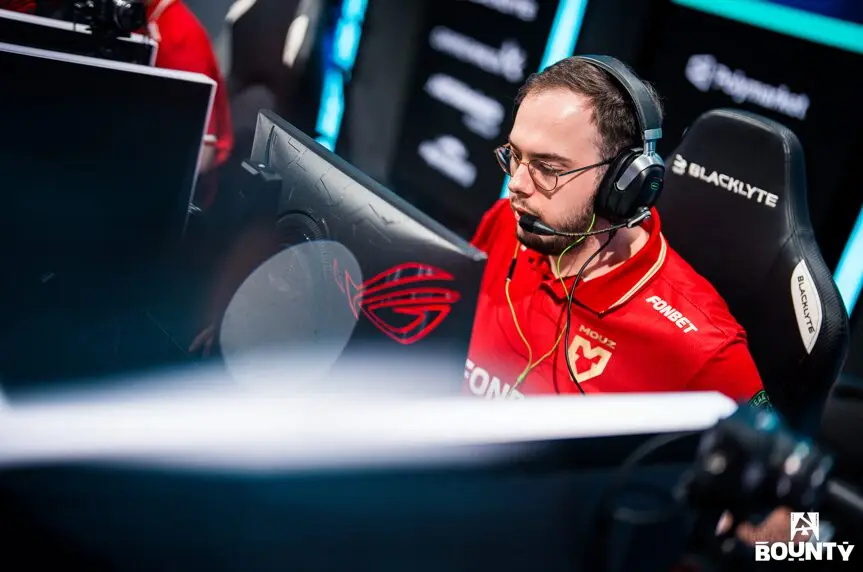
This is precisely what sets him apart from most young IGLs. He doesn’t compensate for average mechanics with hyperactivity; his individual skill level alone meets the standards of a team that’s contending for titles. For MOUZ, the decision also made sense from a systemic perspective: xertioN was already familiar with the structure, trusted the coaching staff, and understood his teammates’ habits. The organization didn’t have to bring in an outsider and rebuild the entire roster around him.
However, this experiment cannot be considered a one-size-fits-all solution. xertioN possesses a rare combination of qualities: he reads the game quite well, isn’t afraid of responsibility, and maintains a high decision-making speed. Most strong riflers lose some of their individual impact after switching to the call position, but xertioN has so far managed to avoid a sharp decline. That is precisely why his example looks so appealing to other teams.
npl shows why a strong rifler isn’t enough
The story of Andrey “npl” Kukharsky reveals the flip side of this new model. At B8, he combined the role of captain with that of one of the main riflers. At first glance, the decision seemed promising: npl had experience playing for NAVI and understood the demands of the highest level. He was also still a young player with solid mechanics. Under his leadership, B8 took a significant step forward: the team became competitive in major tournaments and established itself among the top European rosters, while his teammates spoke highly of npl’s development as a leader.
However, in the fall of 2025, the captaincy was handed over to Alexey “alex” Yarmoshchuk; the coaching staff considered him calmer in high-pressure situations. npl retained his influence over communication but stopped making final decisions, after which he was able to focus more on his own gameplay. This case does not prove that npl was a bad captain. The results were influenced by changes in the roster, form, and schedule. However, this example highlights an important issue: a good rifler does not necessarily make a good permanent IGL. He may understand the game and suggest the right solutions, but it will be difficult for him to simultaneously lead the team and maintain maximum focus on shooting.
Sometimes the best structure involves multiple decision-makers. One player helps with round reads, another handles the start of the map, and the captain makes the final call. B8 chose exactly this approach. The team didn’t dismiss npl’s leadership qualities; they simply stopped expecting him to do everything at once.
alex — a captain who breaks the mold
Alexey “alex” Yarmoshchuk also doesn’t resemble the old-school support who was originally trained solely for calling—before switching roles, he was a full-fledged rifler for B8. And he wasn’t chosen because of his extensive experience; the main reason was his ability to stay calm and connect with his teammates. That said, alex hasn’t become a completely passive player; he still participates in exchanges and is capable of influencing the round on his own. It’s just that now his statistical responsibilities are aligned with the team’s structure.
This is an intermediate model. Alexei can’t be called a star captain on the level of xertioN, but he’s also not a standalone support who needs to be shielded from heavy firefights. His example shows that the search for a young IGL has shifted from the role’s title to a set of qualities—the team is looking for a calm person capable of making decisions, and he must already possess sufficient mechanical skill before being appointed.
magixx remains closer to the old school
Boris “magixx” Vorobyov represents a different approach. Spirit has surrounded him with players capable of closing out rounds on their own, so the captain doesn’t need to compete with Danil “donk” Kryshkovtsov for kills. His role is closer to that of a traditional support player: magixx handles grenades, takes up awkward positions, and helps the stars secure advantageous firefights. When necessary, he’s the first to enter the danger zone.
However, even this example doesn’t represent a complete return to the old model. magixx became captain at a young age and has maintained a solid mechanical foundation. He’s capable of punishing opponents and doesn’t drop out of a round after the first engagement. The difference between him and xertioN lies not only in their individual skill levels; the teams simply demand different things from them.
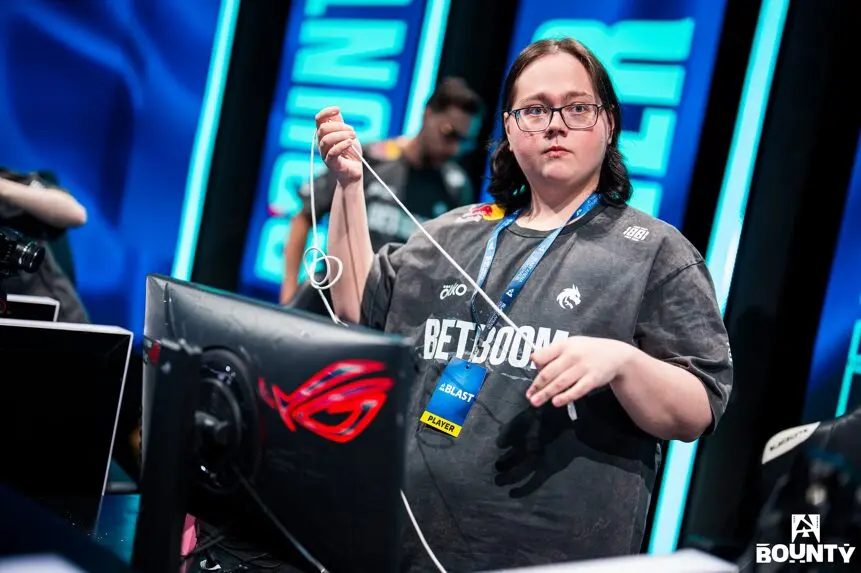
MOUZ needs its captain’s aggression; Spirit, on the other hand, can afford to let its IGL sacrifice resources more often. Its roster already includes several players with high firepower, so the captain’s role cannot be evaluated in isolation from his teammates. The same level of shooting skill might be sufficient for one team and critically weak for another.
s1n is the closest to a pure support
Among young captains, Elias “s1n” Stein most closely resembles a classic IGL. He rarely becomes the primary source of kills and often performs support roles.
His value lies in map control, grenades, and trades. M80 doesn’t expect the captain to consistently rack up multi-kills; instead, he must organize the round and create opportunities for stronger shooters. However, even s1n cannot be considered a player who merely gives orders. He came up through the BIG system and received solid tactical training; the German player is capable of filling multiple roles and understands the demands of a modern rifler.
Poor stats still pose a risk. As long as M80 plays in an organized manner, the captain’s contribution is noticeable, but if the team loses its structure, the lack of firepower begins to have a greater impact. This is precisely why there are fewer pure supports among young IGLs.
Chr1zN and Krabeni create space differently
Kristoffer “Chr1zN” Storgård is the kind of captain who supports the team through his own active play. He doesn’t wait for the round to unfold from the backline; instead, he often participates in the initial engagements and helps his teammates gather intelligence. Such a player may have average stats, but he isn’t passive—after all, his death opens up space or creates an opportunity for a trade.
In the old system, the captain was also assigned similar responsibilities. The difference lies in the requirements for execution. Now, the IGL must not only be the first to come around the corner; he must pose a real threat to the opponent. And Aulon “Krabeni” Fazliya falls closer to the rifler end of the spectrum.
His leadership skills developed within NAVI’s academy system, where players receive tactical training early on and learn to make decisions independently. Krabeni is capable of going for first kills, but he doesn’t play a constant entry role. He picks his moments and uses his understanding of the round to gain an advantage. This style can’t be called pure support, as it doesn’t turn the captain into the main star. Krabeni remains a hybrid between an IGL and an active rifler, and it is precisely these hybrids that form the backbone of the new generation. Not every one of them will match xertioN’s stats, but they do not require the team to completely abandon the fifth rifleman role.
Why There Won’t Be Five “Killer” Captains on Every Team
In theory, handing the captaincy to a strong rifler seems appealing: the team gets calls and retains its firepower. But in practice, this model has serious limitations: managing the round demands attention; the player must monitor not only their own position but also those of four teammates; they must keep track of the opponent’s grenades while simultaneously preparing for the next duel.
There’s also the risk of losing a star player. If a strong rifler spends too many resources on calls, their individual performance may drop—the team will end up with an average captain instead of an elite shooter. This is precisely what makes the NPL’s history significant, because sometimes relieving a player of their captaincy duties is more beneficial than trying to create a jack-of-all-trades player.
The Old Model Isn’t Dead
The success of experienced IGLs means we can’t write off classic supports as relics of the past—Finn “karrigan” Andersen, Dan “apEX” Madeskler, and Gabriel “FalleN” Toledo are still leading strong teams.
Their advantage lies in their experience. They’ve seen different versions of the game, roster changes, and dozens of important playoffs. A young captain cannot quickly replicate that level of knowledge, so a veteran IGL can compensate for weak shooting with strategic depth. He better understands the pace of a series and is capable of readjusting the game without a coach’s help.
Young captains make up for their lack of experience in a different way. They make mechanical decisions faster and are more likely to engage in early duels. Over time, the line between the generations will become less distinct, as young IGLs gain experience but may lose some of their speed. Their roles will also become more passive.
A captain must continue to contribute after the call ends
The new generation of IGLs hasn’t abandoned the support role. It has changed the very meaning of the word. A modern support doesn’t just throw a grenade and die first; they must create space, secure a trade, or deal damage to the opponent on their own. A captain may finish a map with negative stats, but the team must understand what they received in return.
xertioN exemplifies the ultimate version of this new model—he combines calling with the role of a strong, aggressive rifler. npl, on the other hand, highlights its limitations. Even a talented player might be better off stepping back from making the final decisions and focusing on shooting.
In between them are magixx, alex, Chr1zN, and Krabeni. They aren’t full-fledged stars, but they contribute more than just their voice. That’s why “killer” captains haven’t yet replaced supports—there are simply too few of these players. Another model is disappearing: the IGL who is allowed to do nothing after a call ends.