Dosia on his first impression of CS:GO: “Nobody liked it.”
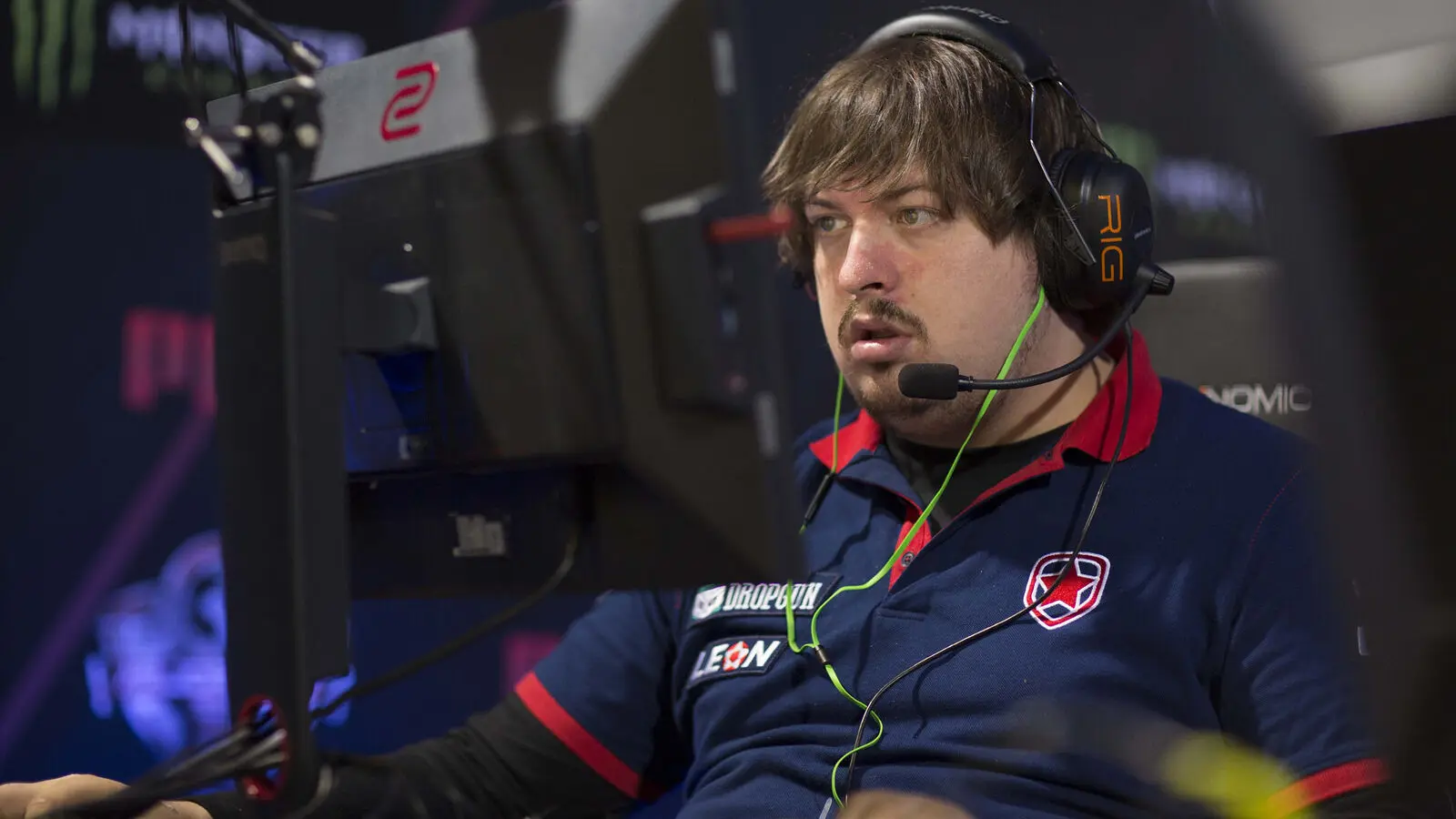
Former esports player Mikhail “Dosia” Stolyarov appeared on a podcast on Artem “malik” Arkhipov’s YouTube channel, where he discussed his move to forZe, shared his thoughts on the roster formations of Natus Vincere, Moscow Five, and UNiTED in 2010, and recalled what the early version of CS:GO was like.
On the move to forZe
So, in 2009, after the WCG, we came back. Well, forZe at that time—it was OverDrive. I mean, it wasn’t the forZe that currently has a team, whether it’s “Lukoil” or not, and so on—none of that existed yet. It was just Lyokha; he found—again—a company that officially paid us a salary in Moscow of 20,000–30,000 rubles—well, in short, a thousand dollars. At the time, that was a lot of money, because a few years later, when we moved to Virtus.pro in CS:GO, our salary was 300, whereas back then—it was a fortune. Plus, we had a boot camp, plus everything was clearly organized, and, by the way, we were building up our work experience, because some of us were programmers, others did other things. So it was kind of a semi-official setup.
On NAVI, Moscow Five, and UNiTED
Well, there, actually, I found myself at a bit of a crossroads again. Right around the end of the tenth season—back when we moved over to Moscow Five—up until that point, our team, forZe, was at boot camp; we were playing, things seemed to be going well, but it was clear the team was about to fall apart. I mean, the players’ motivation had already started to wane, and so on, and that’s when NAVI was formed. At the same time, the UNiTED team was formed—if you remember, hooch, F_1N, Adren, and someone else were playing there. And the funny thing is that groove put this roster together, and it turns out that Adren and hooch were the ones who recruited everyone else, and they told Kostya in no uncertain terms: “Arbalet gave us complete freedom to choose who to bring in and so on—let’s bring Dosia on board.” But at that time, I was in terrible shape, and Kostya never even wrote to me; he just told the guys, “No, he won’t go without his brother, and we already have a sniper, so we’re not taking him.” But in reality, I was ready to leave precisely because of the whole mess—all the issues—and Seryoga [Fox, Dosia’s brother. — Ed.] didn’t really want to play there; he was already planning to get a job—moments like that. And I would’ve just—you know—in a snap—I would’ve been playing for UNiTED. But on the other hand, things turned out the way they did, and we ended up with M5.
On the transition to CS:GO
Nobody liked it. You must remember what it looked like—it looked exactly like Source. And naturally, Source players dominated for the first six months, probably, or longer, but for us it was just… kind of like when you first start playing VALORANT, and you have to get used to all the mechanics, plus other stuff, like grenades. We were used to throwing these huge “baton” grenades, but there a tiny little grenade flies at you, and you don’t understand a thing. And another challenge was that when we switched to CS:GO, there were a lot of cheaters, because it was the Source community—well, I don’t know, I think it’s no secret that practically all of France was cheating back then, and even Guardian got caught somewhere, and other stuff. I mean, in Source, they didn’t really hold back when it came to cheating, because they didn’t have such a serious—or whatever you want to call it—approach or community like in 1.6. They didn’t really have any big, high-profile tournaments either, so you could get away with it—you know, like the guys in Yakutia would say: “We’re not going to make it anywhere anyway, so we might as well do whatever we want.” And so, all across the north—Vladivostok, Yakutia, and so on—people just use cheats for fun, and then, when they actually make it big, they’re like, “Oh, wait, I… yeah, that happened—I played three years ago, and now I’ve been VAC-banned.”
- Read also: MPKBK: “The Russian-speaking audience now makes up nearly 50% of the entire Counter-Strike audience”
In the first part of the podcast on Artem “malik” Arkhipov’s YouTube channel, esports player Mikhail “Dosia” Stolyarov talked about how he got into Counter-Strike and his participation in early LAN tournaments, and he also recalled his move to his first professional team.
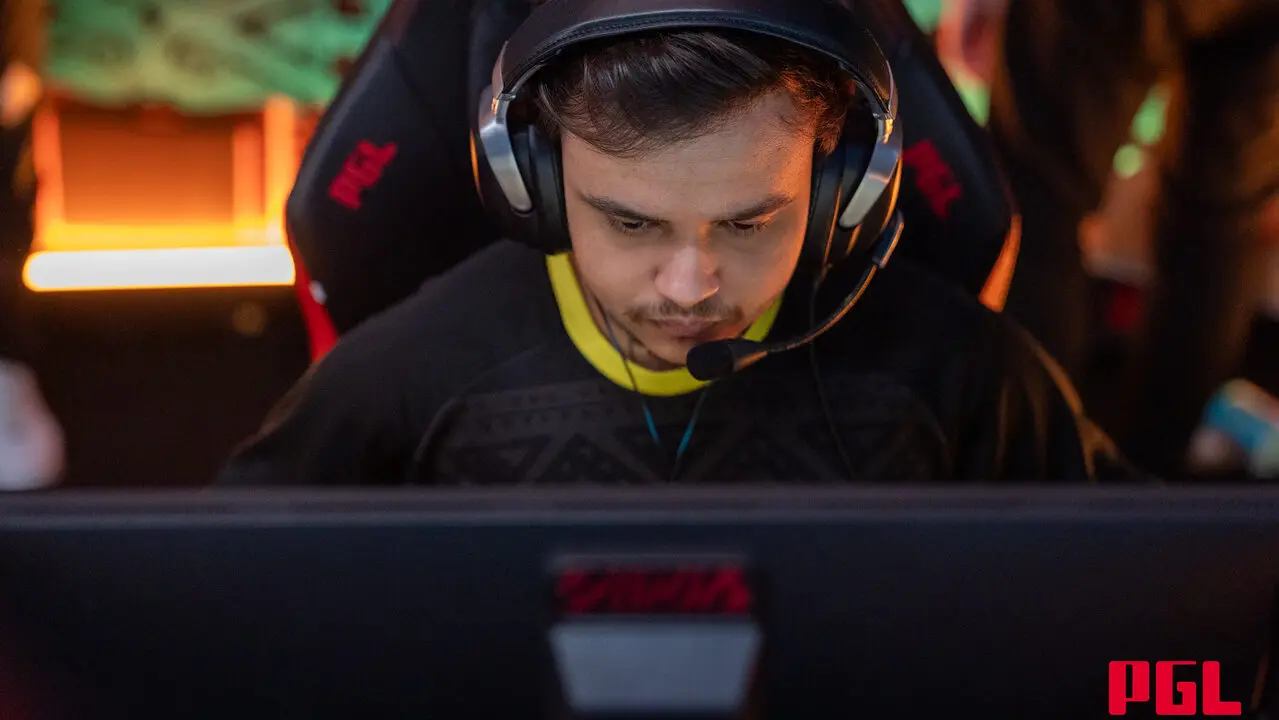
Photo: PGL.