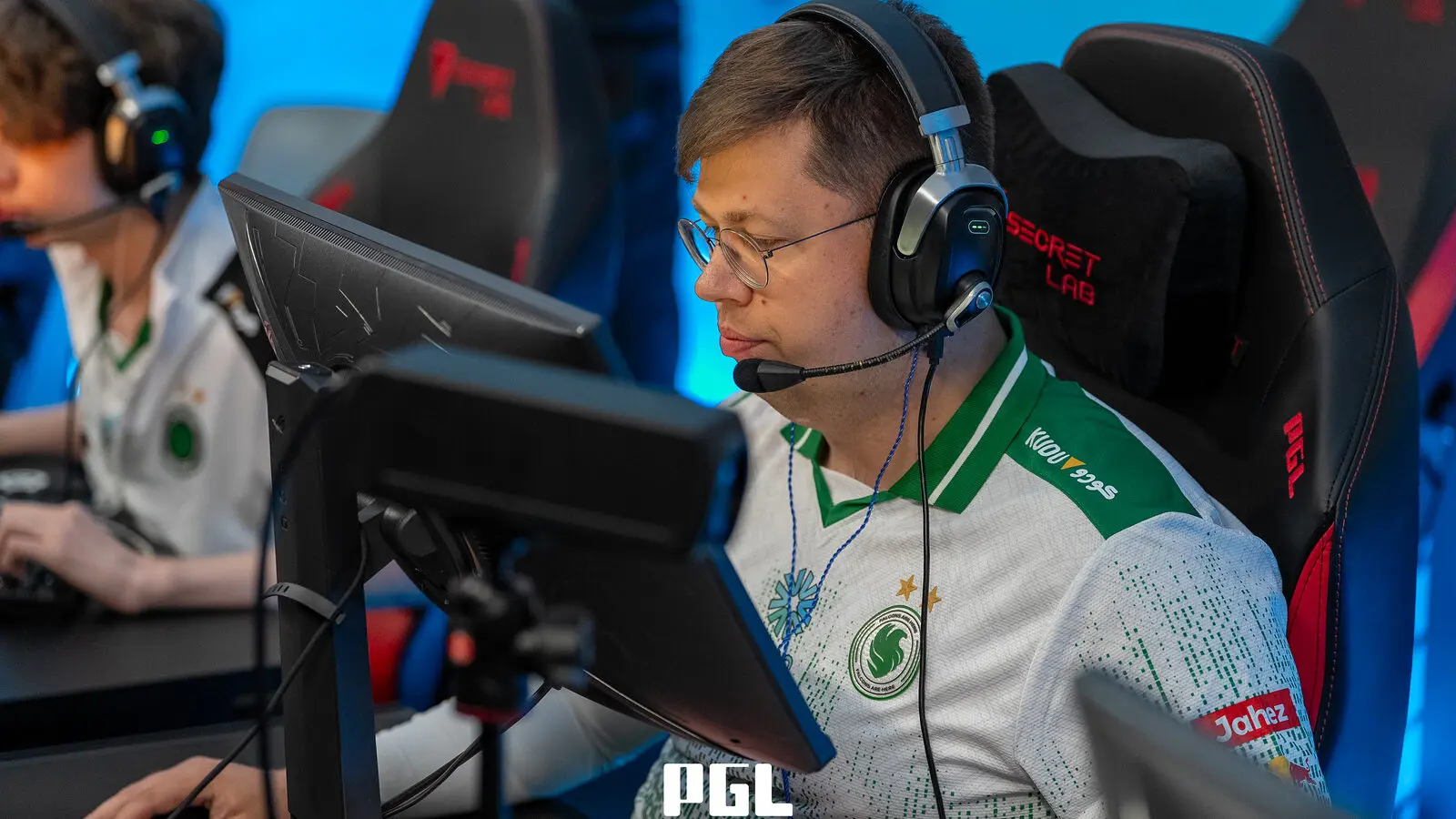
jL on the buyout fee for his contract with Natus Vincere: “It was a 100 percent hindrance.”

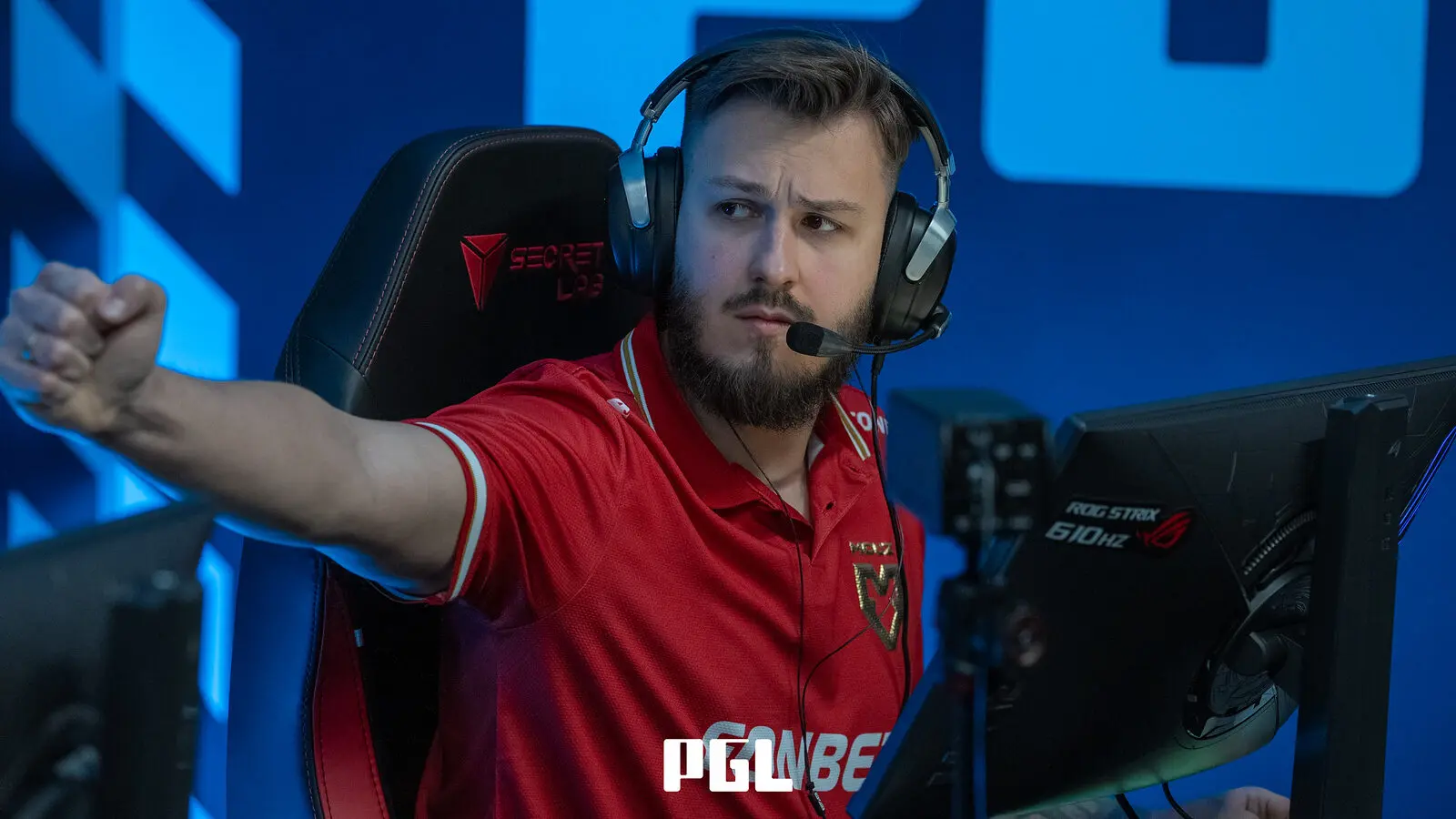
Esports player Justinas “jL” Lekavičius, host James “BanKs” Banks, and analyst Jonathan “Devilwalk” Lundberg discussed the possibility of creating a roster with a Lithuanian core on the Tier 1 scene in a new episode of the All About Counter-Strike podcast, and also shared their thoughts on contracts in top-tier teams.
On a roster with a Lithuanian core
jL: I think a core consisting of me, dziugss, and ryu could be a solid foundation for winning tournaments. I know this sounds unrealistic and highly unlikely. It definitely won’t happen in the next year or two. But this is a lineup that could compete for trophies. Of course, we’d still need a sniper and an IGL. This creates a slight conflict of roles, but I think we could sacrifice individual ambitions for the sake of the team’s success. We’ve never had a roster with a Lithuanian core on the Tier 1 scene, and that could be a very interesting experience.
Of course, I see myself on this team, but putting together a roster is really difficult. When you’re a professional player, you know just about everyone. You know how people behave and how they play. So the answer is definitely yes. I could definitely see myself on a team like that.
On the contract with Natus Vincere
BanKs: During your time at Natus Vincere, how much did the fact that a buyout had to be paid for you get in the way? You obviously felt the effects of that firsthand, right? Did it get in the way?
jL: Oh yeah, absolutely. It was a 100% hindrance. I would have come back last winter, but there was a buyout, and people don’t want to pay it anymore. They’re not willing to invest real money in players right now.
BanKs: Yeah, I see.
jL: So it was a bummer. Because of that, I didn’t move anywhere back then. We just left things as they were.
Devilwalk: Did you have a fixed buyout clause that tied your hands, or was everything decided through open negotiations?
jL: The negotiations were open, but the organization wasn’t willing to lower the price.
Devilwalk: Yeah, I see.
jL: So for them, the price was fixed, even if it wasn’t officially written into the contract. It’s really frustrating.
On Contracts in the Tier-1 Scene
jL: I’ve always thought that short contracts are slightly better. But imagine, for example, a Tier 1 organization like Team Vitality that signs a player for a year. Yes, they’ll be able to play one Major, but the agreement will already be over before the second one or right after it. As a result, you’ll either have to start negotiations right after the first Major or put the player on inactive status altogether. After all, his contract could expire right before the second tournament, which looks really silly. So one-year contracts are a tricky business. Two years is a perfectly viable option, but three-year contracts have now become the standard.
In the previous episode of the podcast, Justinas “jL” Lekavičius assessed his performance for MOUZ as a stand-in, talked about his failed move to the “Mice” roster, and reflected on his personal approach to competitive Counter-Strike.
Photo: PGL.