Legacy dead CEO on competition with Tier 1 clubs: “Team Falcons will leave this business in the long run”

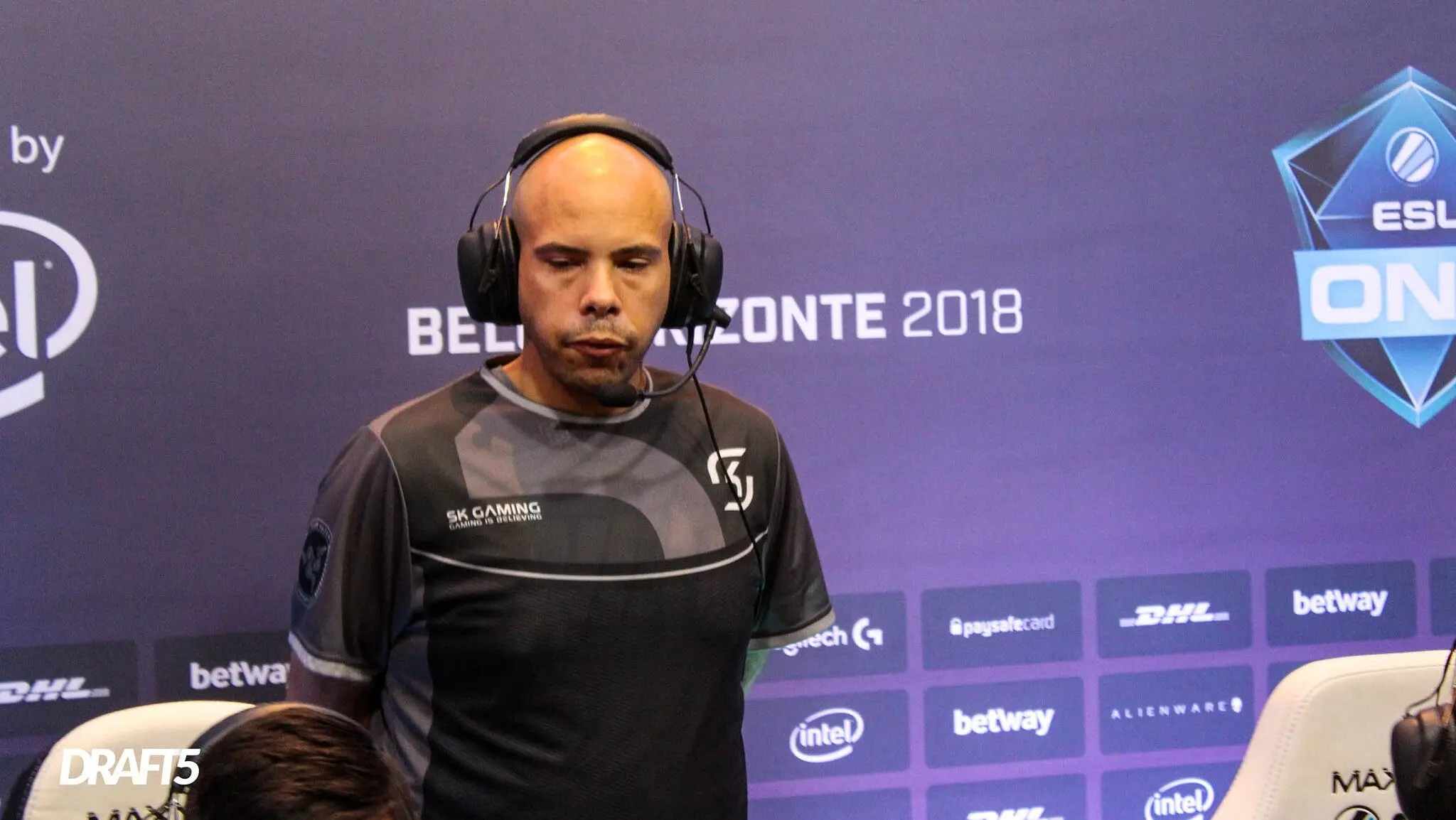
Legacy CEO Ricardo “dead” Sinigaglia spoke on The Four Horsemen podcast about Valve’s decision to eliminate sticker capsules and the financial struggles of Tier 2 clubs.
On the cancellation of the capsules
The hardest part about all this is the lack of any communication from Valve. So everyone essentially only found out about it when they released the capsules—not the capsules themselves, but the new system. I think Tier 2 teams, in particular, are still holding out hope and trying to cling to anything that might help them qualify for the next Major and see if Valve will change anything. Because, after all, Valve is losing a hell of a lot of money, too. So people are counting on the fact that a loss of probably between 40 and 100 million dollars will force Valve to at least revisit this issue and figure out how to make it work properly. But we’re talking about a company that makes about 8 billion dollars a year. Is $40 million really enough to warrant any kind of showdown? We don’t even know if this is related to the fact that they’re facing some kind of lawsuit in New York. Nobody knows—everyone’s just hoping.
About the stickers
We know that having stickers is a really good thing. But then there’s also this company involved in gambling. They’re essentially introducing people to it. We can’t hide that. It’s a fact. People will do it to get stickers. And people aren’t going to pay $5,000 just to get a “donk” sticker. But people might pay $5,000 to gamble and try to get a “donk” sticker. And along the way, you have the chance to trade in any other players you end up with and invest even more money. So that’s bad.
On the Financial Problems of Tier-2 Clubs
Okay, let’s take SINNERS Esports as an example. If you’re a Tier 1 team, you go to ESL, PGL, BLAST, and they cover all the costs. You go there, earn your points, lose some matches, win some, get your share of the prize pool, and make money. Of course, it all happens right there, right? But for teams like that to actually make it to a Major, it’s not just about the budget—they have to travel to Portugal to play a LAN tournament for VRS points. You don’t get anything out of it—you’re just spending money. Even if the team wins, it’ll get $5,000. But it’ll spend about $30,000 just to get there. And we’re talking about three or four tournaments like that. Teams spend a lot of money and hope to recoup it. That’s exactly why they invested in it. And suddenly, it turns out that you’re not just failing to make money—you’re losing it. You’ve just lost a lot of money because you spent a lot of money to get to a Major.
On competing with major organizations
I can’t compete with Team Falcons’ salaries. If Team Falcons wants to buy a player from me, I’m almost certain that no matter what price I name, if they really want him, they’ll pay me whatever I ask. And that’s it. As long as I have a pretty strong team in the long run and can keep the players I want and buy the players I want, I don’t care that we’re a small organization right now. In 10 years, I’ll be big because, the way I see it, the last one standing will win. Team Falcons will eventually leave this business.
Earlier, analyst Jacob “Pimp” Winneche analyzed Legacy’s recent performances in detail on a new episode of the Counter-Points podcast, evaluating the team’s results and its current form. In addition, he commented separately on the progress of the team’s captain, Andrei “arT” Piovezan.
Photo by Lucas Spricigo, DRAFT5.