Mauisnake on Team Liquid: “The club’s entire recent history has been one big failure”

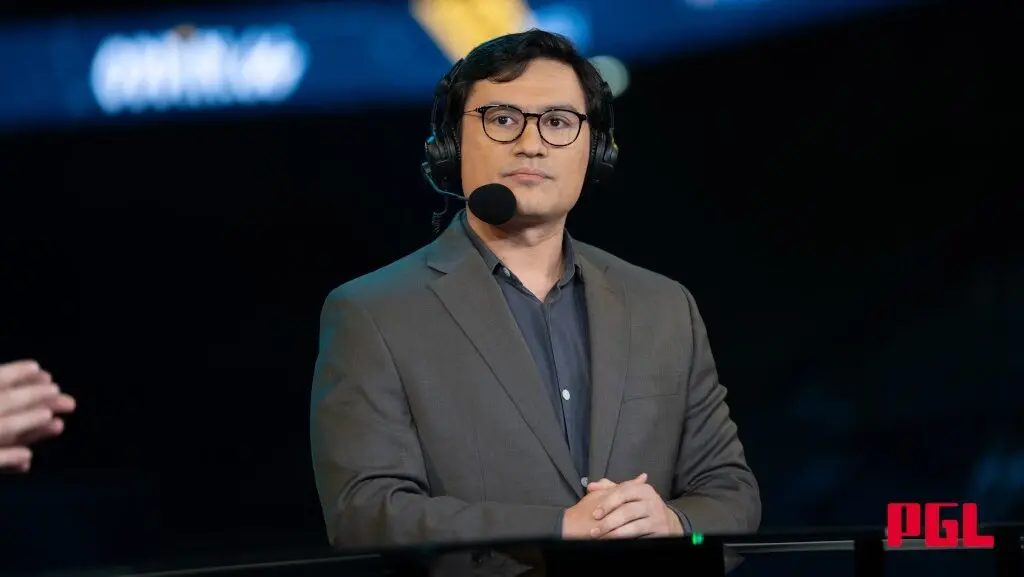
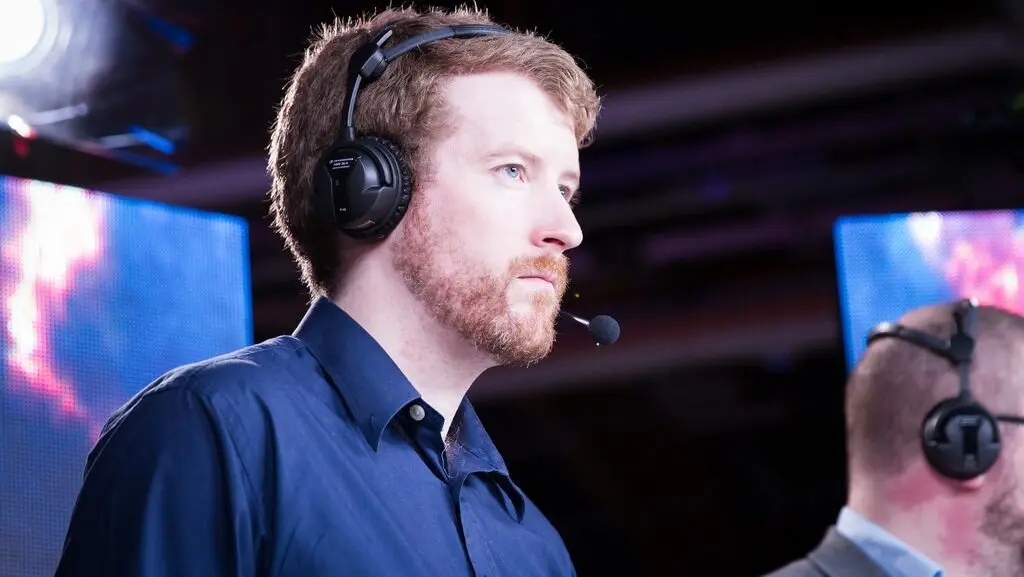
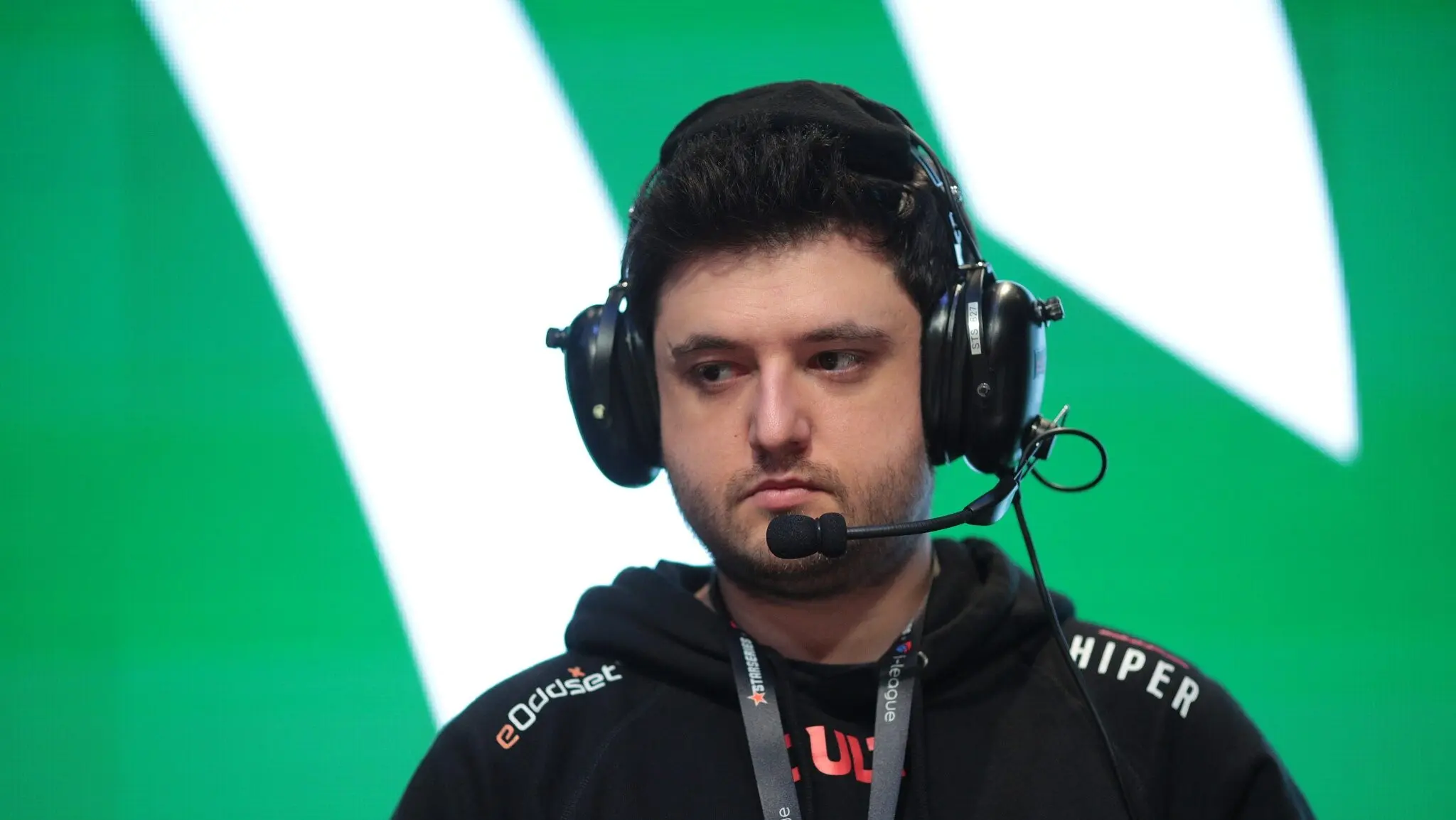
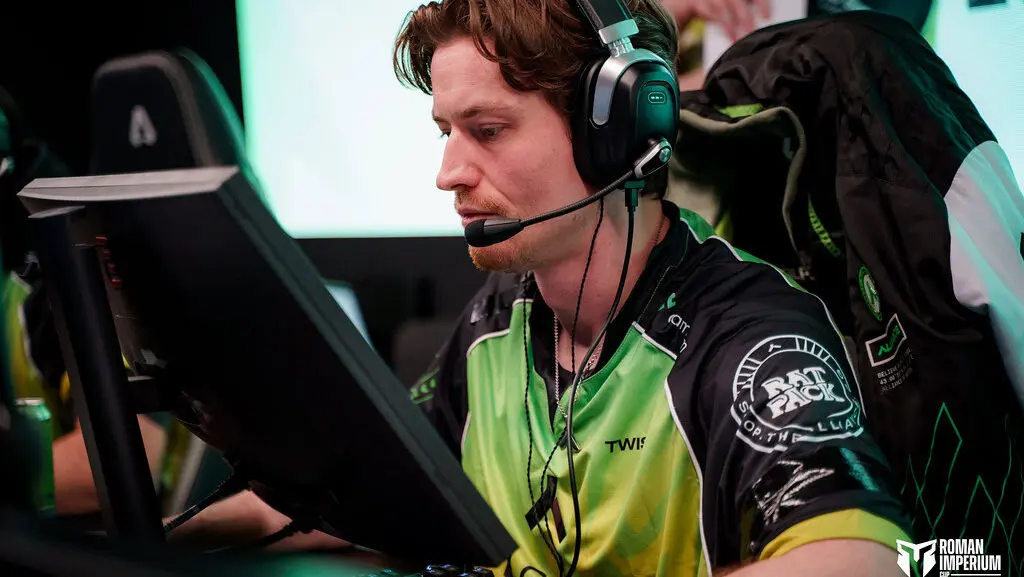
Analysts Duncan “Thorin” Shields, Alex “Mauisnake” Ellenberg, and Jacob “Pimp” Winneche discussed Team Liquid’s management over the past few years in the latest episode of the Hot Take Point Made podcast, evaluated the club’s transfer policy in Counter-Strike, and speculated on the organization’s prospects in the industry.
On the club management’s role in the decline in results
Pimp: I have a rather controversial opinion: Team Liquid might go down in Counter-Strike history as the club with the worst management and the worst return on investment of all time. When you compare its colossal budgets, astronomical salaries, and complete lack of results, the picture is dismal. Ever since 2023, when the organization signed shox, the team has been in complete disarray. At the same time, when the leadership signed NertZ, YEKINDAR, cadian, siuhy, and Malbsmd—or brought back EliGE—these moves looked like surefire successes on paper. But management simply failed to manage these assets effectively.
The facts speak for themselves: the team has been absent from the top 10 of the HLTV world rankings for nearly 530 days. Over the past two to three years, it has managed to stay in the top ten for maybe five or six weeks at most—and even then, only in the eighth to tenth spots due to a slump among its competitors, rather than thanks to its own deep runs at Majors. The roster suffers from terrible inconsistency—the players might have had one good tournament, but they’ve never managed a consistent run of three or four events in a row. With financial resources comparable to the budgets of MOUZ, Astralis, or Team Falcons, the organization is obligated to consistently rank in the top 8 or top 5. Management has spent a fortune, but in the end, it has gained absolutely nothing from it.
On the organization’s past achievements and comparisons with Team Falcons and FaZe Clan
Mauisnake: Earlier, kassad included NAF in his list of the top five “scammers” receiving undeservedly high salaries. I strongly disagree with this assessment, as NAF has consistently delivered high-quality performances despite past temporary slumps. On the contrary, I was very excited about the signing of Malbsmd. It was expected that this move would yield quick results, especially in conjunction with JT taking over as captain, but the organization failed to build on this success, completely falling short in the subsequent online tournament hosted by Logitech. With each passing event, I’m becoming increasingly convinced of the validity of the argument regarding the poor return on investment. For a long time, Team Falcons was considered the main contender for this status, but its triumph at the Major erased all past failures, while Team Liquid has achieved absolutely nothing over the past five years.
Undoubtedly, in the pre-COVID-19 era, winning the Intel Grand Slam more than covered any expenses, but the club’s entire recent history has been one continuous failure. The last time Team Liquid made it to the Major playoffs was in Shanghai, when Twistzz was still serving as the in-game leader. Since then, the roster has changed beyond recognition. Ultimate is no longer on the roster, and of the players who took part in that match against Team Spirit, only NAF remains on the team. Management has turned the team into a veritable revolving door of endless roster changes. And while Team Liquid’s current public figures are likable, their actual performance on the server yields no results. If you’re looking for an even more unprofitable project, FaZe comes to mind, but at least that organization’s players made it to the finals and won trophies at the start of CS2.
On the attempt to build a superteam and
Thorin: In theory, from a purely financial standpoint, Team Falcons can still be called the most unprofitable project on the scene. Even taking into account their Major victory, spending over ten million dollars for a single major title and a win at a tournament like PGL Bucharest is simply not economically justifiable. However, a Major triumph looks impressive on paper, and Team Falcons itself regularly made it to the playoffs of major events, played in semifinals and finals, and boasted some of the world’s best esports athletes with massive media appeal. Team Liquid’s main problem is that it no longer has any of that. North American fans still love the organization solely because of their fondness for the NAF.
The irony of Team Liquid’s situation is that virtually every personnel decision made by management—including even the signing of skullz—seemed perfectly logical and forward-thinking on paper. Serious problems began with the advent of the CS2 era and the attempt to build a superteam. The organization spent colossal sums, only to receive the worst results of any club in return. Being on Team Liquid’s roster has turned into a sort of curse: players either see their performance decline after joining, or start performing significantly better immediately after leaving the team. At the moment, the roster clearly lacks one more strong player to return to Tier 1. Perhaps it’s time for management to acknowledge that NAF can’t stay on the team forever and replace him with a younger, victory-hungry mid-laner like jks. All of Team Liquid’s transfers seemed promising, but due to unclear internal issues, the specifics of the training process, or overly high expectations, all the strong esports players on this team simply fade away.
Earlier, host James “BanKs” Banks also shared his thoughts on the North American team’s current state during the All About Counter-Strike podcast and analyzed the roster’s recent results on the international stage in detail.
Photo by Sebastian Pandelache, PGL.