Maelstorm on the Dota 2 pro scene: “If things stay the way they are, we’ll just have to survive as best we can—we’re used to it.”
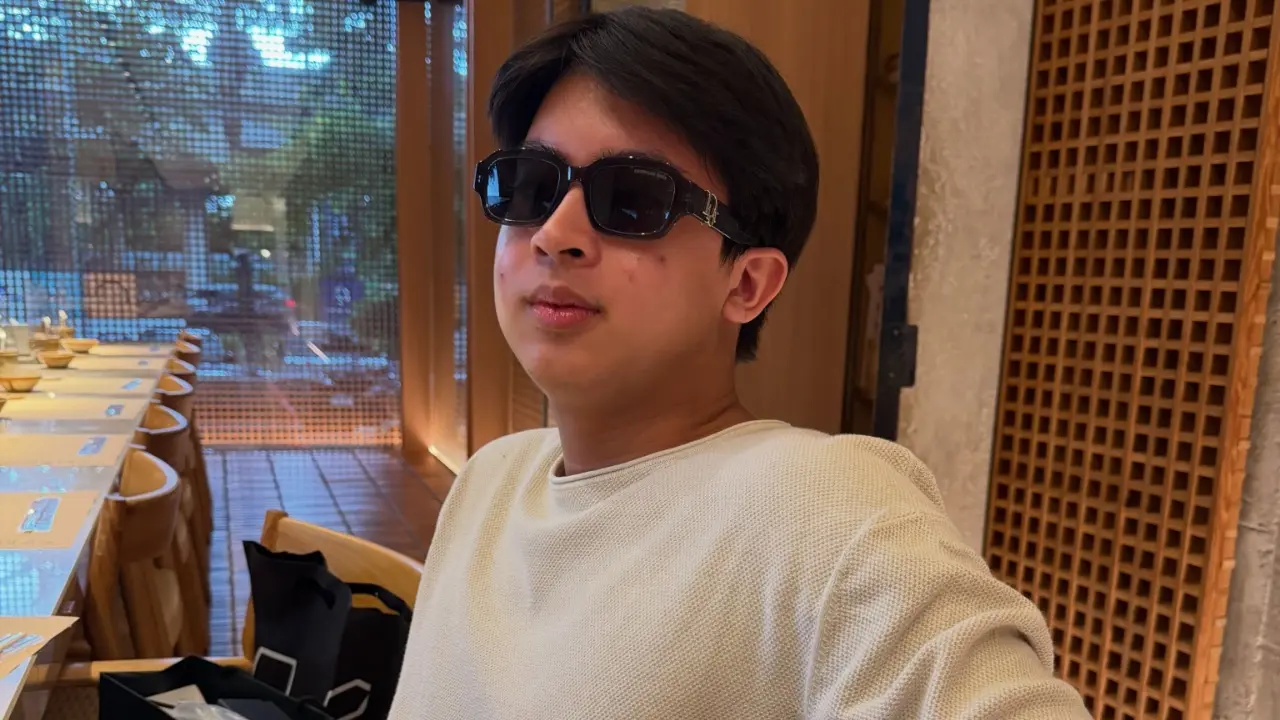
Commentator Vladimir “Maelstorm” Kuzminov shared his thoughts on Telegram about the future of Dota 2 as a game and an esports discipline.
Quotes are reproduced with the source’s spelling and punctuation intact
On Dota 2 as a game
There are more and more questions and concerns about what will happen to Dota.
It’s important to distinguish between the game and esports.
The game.
Nothing. It’s doing just fine. The player base is huge, and its decline is negligible.
What could be improved? Introduce a more feature-rich seasonal Battle Pass (like the Carnival event right now). Rich specifically in terms of rewards. In terms of how well it’s been developed, the current Battle Pass in Dota is actually too good. All those dialogues and storylines. A colossal amount of resources went into all of that, but a seasonal battle pass should be a boring little thing that simply motivates the player to strive for a reward or just hands out rewards. This mechanic is partially implemented, but more is needed.
Ideally, there should be 1–2 major events per year—similar to Dirtide or Godnya.
Regular gameplay patches.
If this is done, the game will survive for another 20 years with an online player base of at least 500,000.
On Dota 2 as an esports discipline
Esports. There are two paths here.
First: Do everything ourselves. An example is almost any game where the main competitions are organized solely by the developer. I could go on at length, but we all know one thing—that’s not going to happen.
Second: Hand everything over, BUT with mandatory support and oversight.
In Dota, this would look like dividing tournaments into two clusters: with developer support and without. Without support, anyone can host a tournament however they want, but few people will be interested.
With support—that’s where the real action is. What does that mean? First and foremost, it’s the opportunity to make money from the tournament. That is, the introduction of Battle Passes, tickets, crowdfunding, and other perks for organizers. Something that lets organizers earn money directly from the game—and the better the tournament is in every respect, the more they’ll earn. Of course, it’ll be important to regulate both the number of such tournaments and many of their aspects, including sponsors, the format, and much more.
The key here is priority. A tournament must strive to be THE coolest, and that coolness must be rewarded by the game itself. Right now, that’s not the case. Currently, all tournaments except for the International are disconnected from the developer, so they have no incentive to be the best. Well, they do have an incentive, but what’s the point? What’s the point if people say your tournament is better than the others, but you don’t make any money from it? If there’s a budget—we’ll use it. And no matter how much altruism flows through an organization’s veins, business always wins out. No matter how much you want to do better, if you don’t get paid better for it, your enthusiasm will quickly fade.
In fact, this system works in CS:GO, and it works pretty well. What’s more, it’s heavily reliant on crowdfunding. Just look at how much negativity and concern there is because sticker sales have dropped. At the same time, take a look at what the tournaments there are like.
Of course, Dota is Dota, but even there, the tournaments looked 10 times better back when organizers were competing for the title of “Major.” Why? Because back then, there was a potential benefit—not even a direct one.
If everything stays the way it is, we’ll just have to make do—we’re used to it. From INT to INT—thanks for not canceling it. And in fact, INT is still the number one tournament. Why? Because it’s a tournament organized by the developer.
Earlier, ESL FACEIT Group Product Manager Álvaro “Avo+” Sánchez Velásco commented on the departure of organizations from the Dota 2 esports scene: “The days when a team could survive solely on prize money are long gone.”
Photo by Vladimir “Maelstorm” Kuzminov.