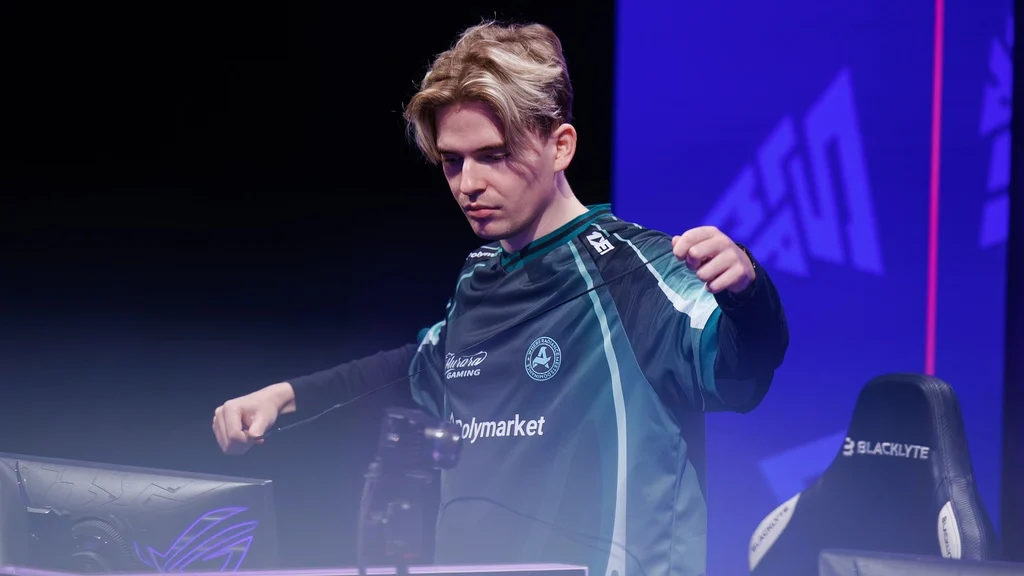
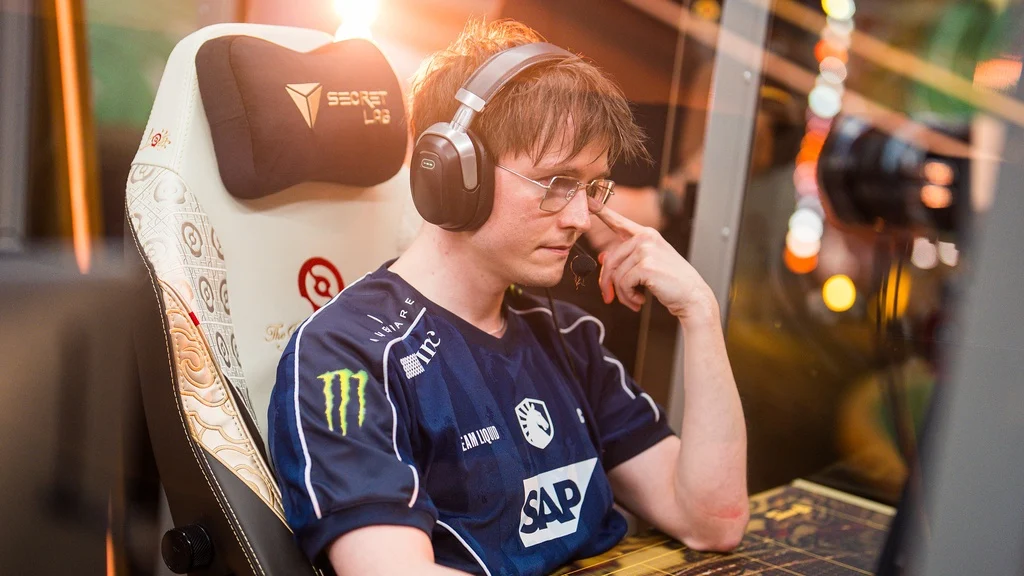
VP and NAVI’s failures in the qualifiers for The International 2026 and SumaiL’s possible departure—highlights from Not For Broadcast #70

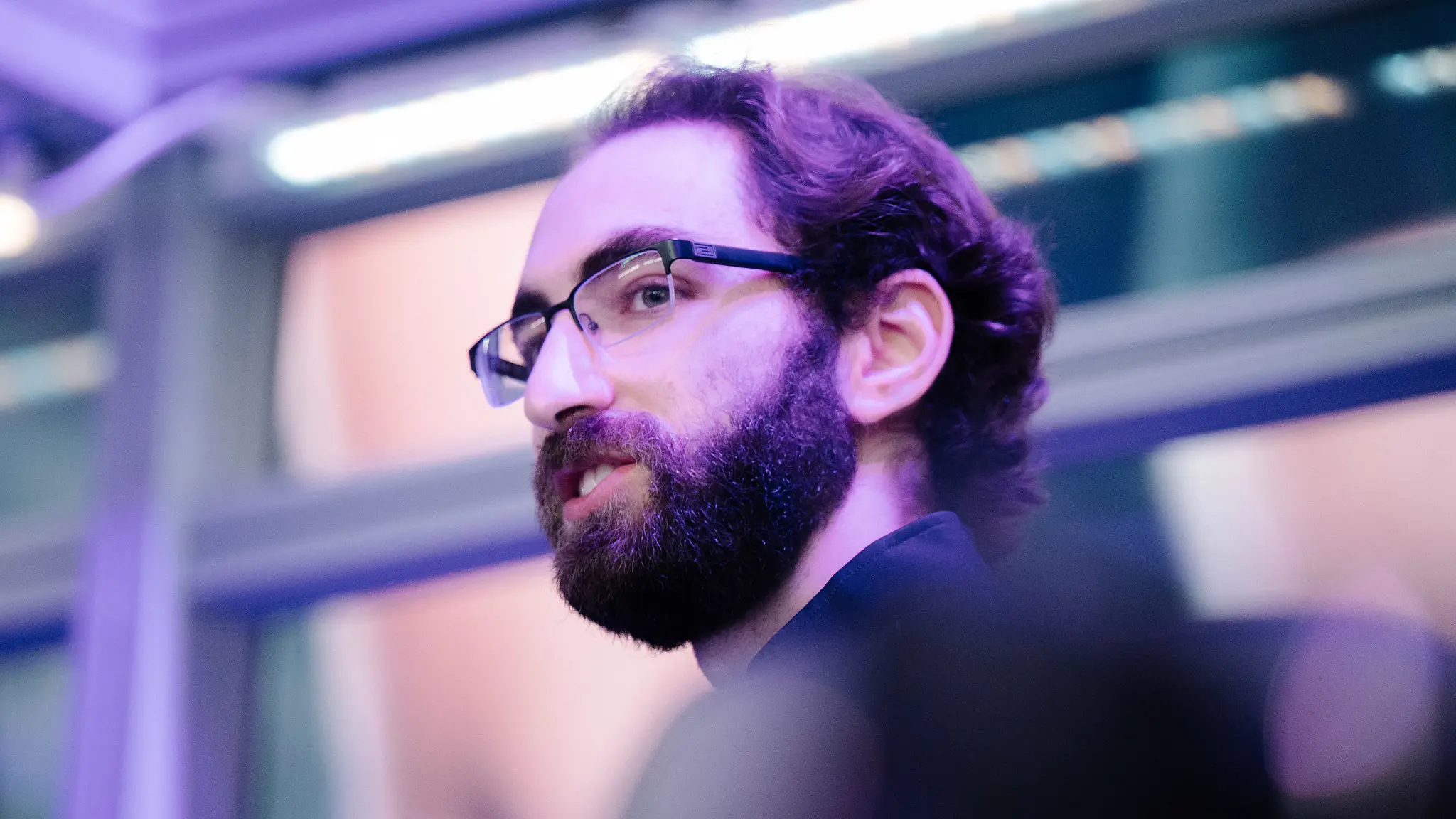
Commentators Avery “SVG” Silverman and Austin “Cap” Walsh discussed Virtus.pro and Natus Vincere’s failure in the qualifiers for The International 2026 on the Not For Broadcast podcast, the possible retirement of Sayed “SumaiL” Hassan, and Dota 2’s standing in global esports statistics. Here’s a brief summary of the key points in our article.
On the defeats of Virtus.pro and Natus Vincere in the qualifiers for The International 2026
Avery called Virtus.pro’s elimination a painful spectacle, singling out Meepo’s final pick in the third game, and speculated that the roster would now disband. He added that the team is considered part of North American Dota 2’s legacy solely because of coach Kanishka “BuLba” Sam Sosail, even though it doesn’t include any players from the region.
Austin was harsher in his assessment of Natus Vincere: in his words, the team was “at rock bottom” and only advanced through the lower bracket because it faced an even weaker MOUZ. SVG believes the team won’t disband completely—the core is young and strong, but the team lacks balance between veterans and young players. Both agreed that after the departure of Bakyt “Zayac” Emilzhanov, there is no leader left on the roster, and Aske “Cy-” Larsen isn’t up to the task.
On the possibility of SumaiL retiring
Silverman suggested that the player might simply be burned out after three or four unsuccessful years, but assessed the seriousness of the statement as a 50-50 chance. Walsh is confident that SumaiL isn’t joking, noting that at 27, he remains one of the longest-tenured players on the scene. At the same time, Cap reviewed all the top European teams and concluded that there are simply no open mid-lane spots for SumaiL—a point SVG ultimately agreed with.
On the Russian-language broadcast of the TI 2026 qualifiers
While discussing Paragon’s stream of The International 2026 qualifiers, Avery stated that pole dancing in and of itself isn’t a sexual activity but rather strenuous physical exercise, and he refrained from criticizing the organizers. He noted that unusual broadcasts have long been a hallmark of the region, and that the pursuit of “views” is characteristic of the entire media landscape. Austin countered that the official broadcast of the TI qualifiers is a different matter altogether, and pointed out that this isn’t the first time Paragon has done something like this, but this time the studio went further than ever before.
On esports statistics
In terms of prize money, Dota 2 ranks second behind Counter-Strike 2, but lags significantly behind in the number of tournaments: 13 Tier 1 versus 23, and 18 Tier 2 versus 102. SVG attributed this to the lack of a clear division system—unlike in CS2, a Tier 2 player in Dota 2 has almost no clear path to move up. Fighting games lead the way in terms of LAN event viewership, where anyone can enter the bracket by paying an entry fee. Silverman admitted that he envies this approach.
At the same time, in terms of total viewing hours, Dota 2 ranks fifth, trailing League of Legends, Counter-Strike 2, MLBB, and Valorant, but nearly doubling the viewing hours of the game in sixth place. SVG summed it up: “For a ‘dead game,’ that’s, frankly, an excellent result.”
Read also:
- SVG on Virtus.pro in the TI 2026 qualifiers: “It seemed to me that they looked stronger than they actually turned out to be” (first part of the podcast).
- SVG: “Dota 2 fans are hardly interested in the Tier 2 and Tier 3 scenes—there’s essentially no market for them” (second part of the podcast).
Earlier, casters Troels “syndereN” Nielsen Lingholt and Shannon “SUNSfan” Scotton discussed the release of the new acts of “The Dark Carnival,” LGD Gaming’s victory in the South American qualifiers for The International 2026, and Natus Vincere’s struggles on the We Say Things podcast.
Photo: Valve.