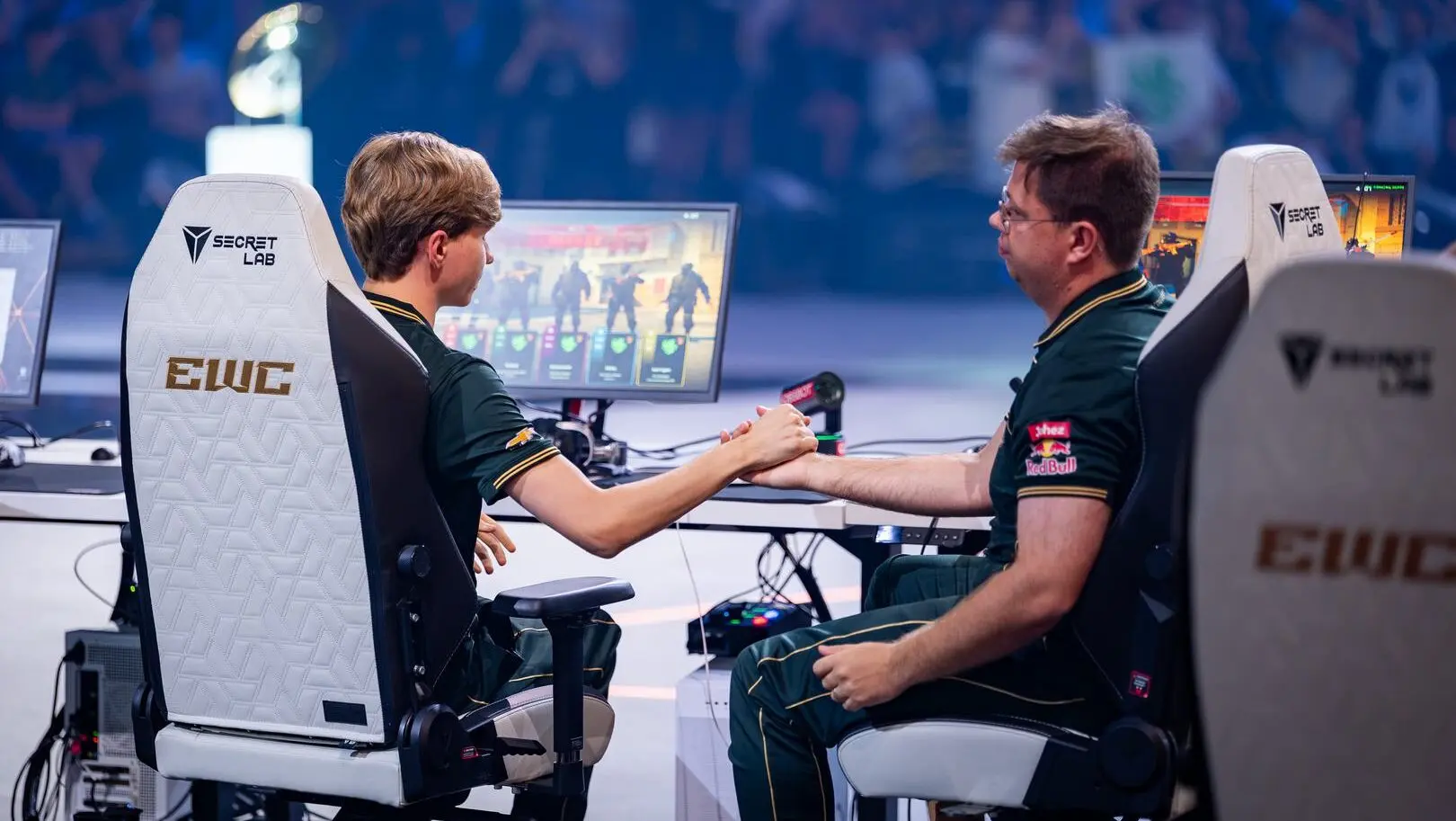
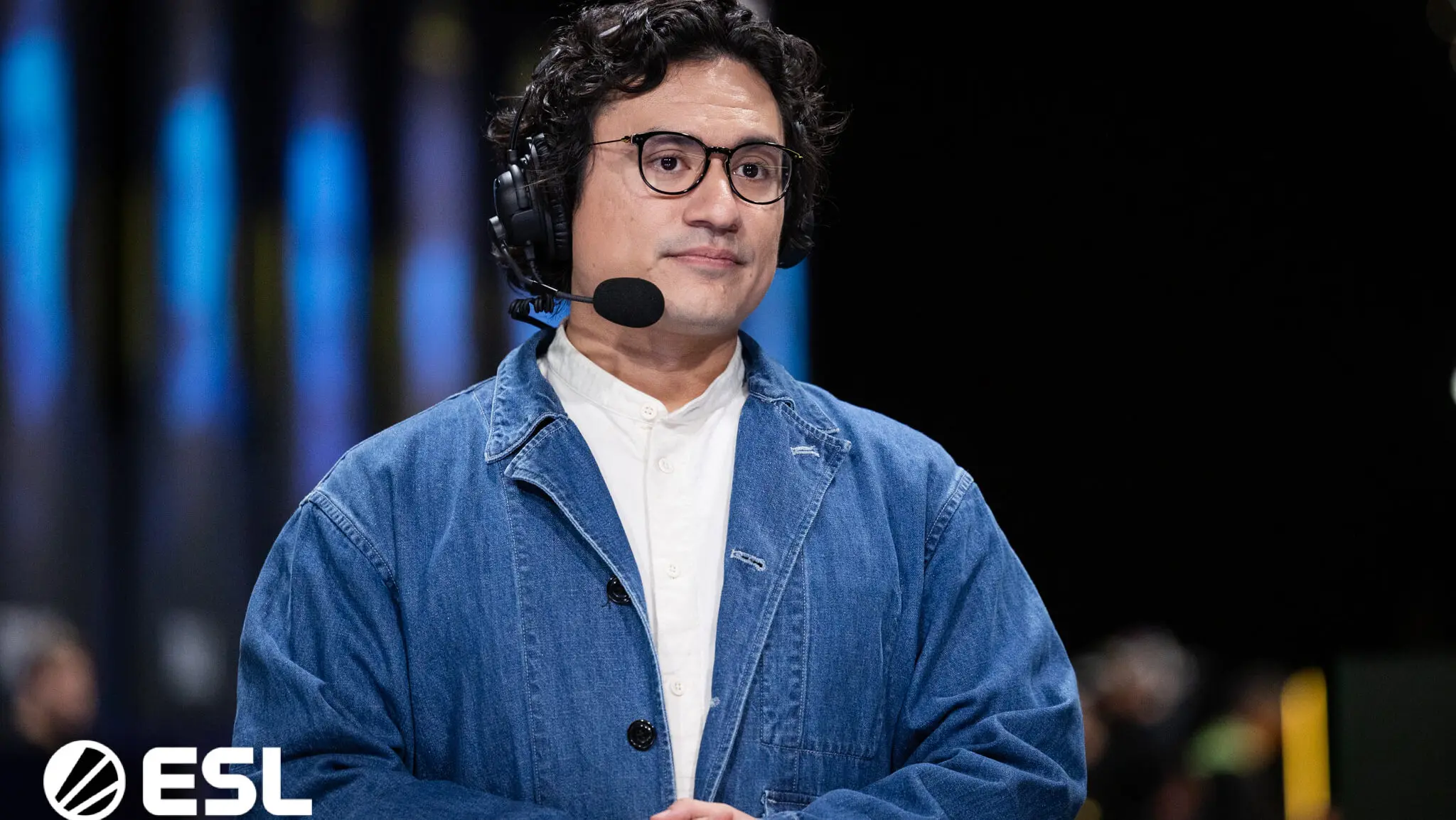
Has BC.Game assembled a Tier 1 team… or not?

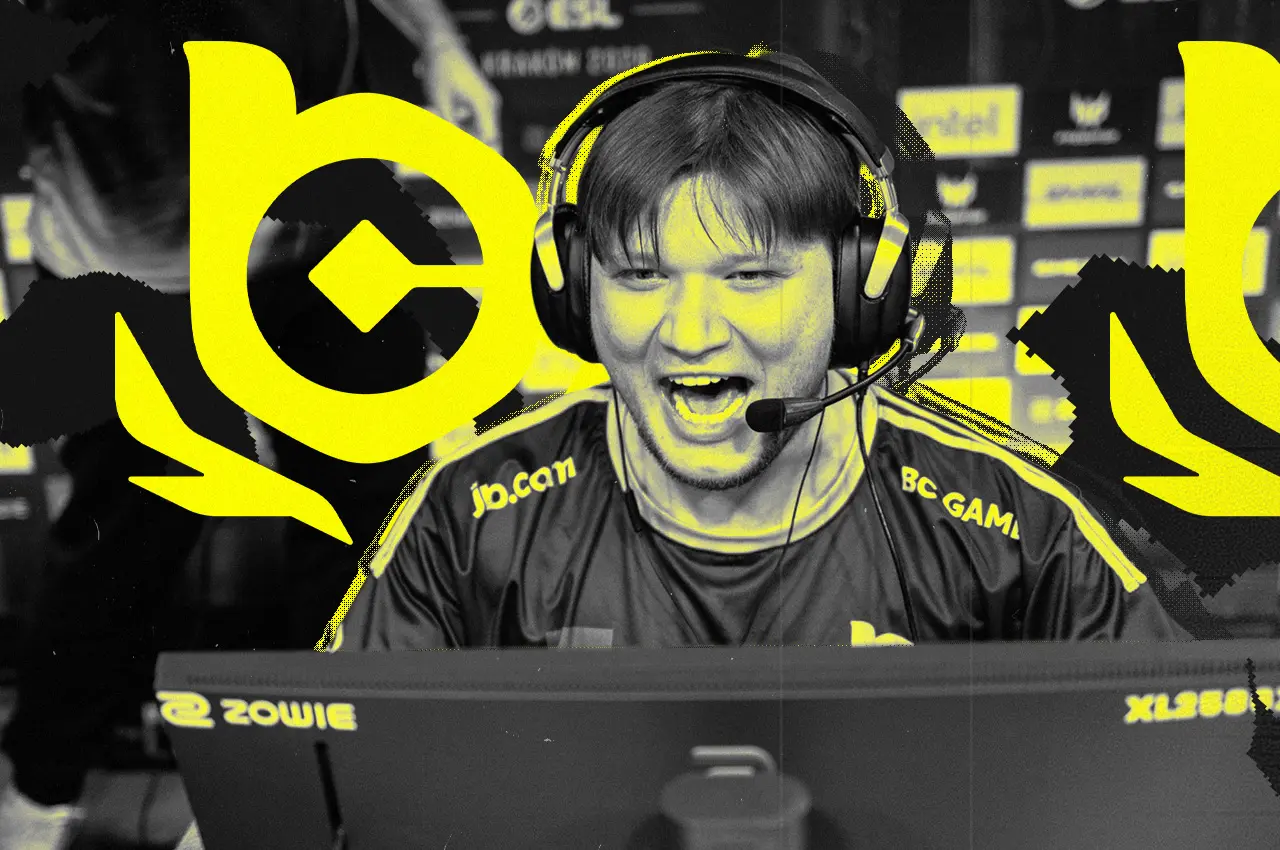
The signing of Ayush “mzinho” Batbold completed BC.Game Esports’ roster overhaul. Joining him on the roster are Alexander “s1mple” Kostylev, Denis “electronic” Sharipov, Azbayar “Senzu” Munkhbold, and Emil “Magisk” Reif. The team is coached by Viktor “TaZ” Voitas. For the first time in a long while, BC.Game doesn’t look like a project built around a big name, but rather a full-fledged roster with the potential to compete at the Tier 1 level.
There’s no sense of inevitable failure here. On the contrary, the organization has finally assembled a five-man roster with no obvious weak links in terms of individual skill. Senzu and mzinho have already withstood the pressure of major tournaments, and the veterans need no explanation of what it takes to compete at the elite level. Therefore, the discussion shouldn’t be about whether BC.Game has a right to be ambitious, but rather about the conditions under which these resources will translate into results.
This isn’t just another high-profile roster shakeup
Previous versions of BC.Game relied too heavily on s1mple’s form—more than a team with big goals could afford. Even a strong performance from the sniper didn’t solve the team’s issues with structure, trades, and roster depth. Now, Alexander has several teammates capable of winning a round without him necessarily needing a multi-kill. This changes not only the team’s firepower but also how pressure is distributed.
The key addition is the duo of Senzu and mzinho. Together, they led The MongolZ to the final of the BLAST.tv Austin 2025 Major and victory at the Esports World Cup 2025. Senzu finished 2025 among the top twenty players of the season, while mzinho competed in five Majors. For these nineteen-year-old players, this represents proven experience competing against top-tier opponents.
Their reunion is important for another reason as well. In an international roster, new communication dynamics, roles, and living arrangements are inevitable. Having a familiar teammate nearby makes the adjustment easier, especially after mzinho’s move to Europe. That said, BC.Game shouldn’t try to copy The MongolZ’s system: the new five-man roster has a different in-game leader and a different balance of authority.
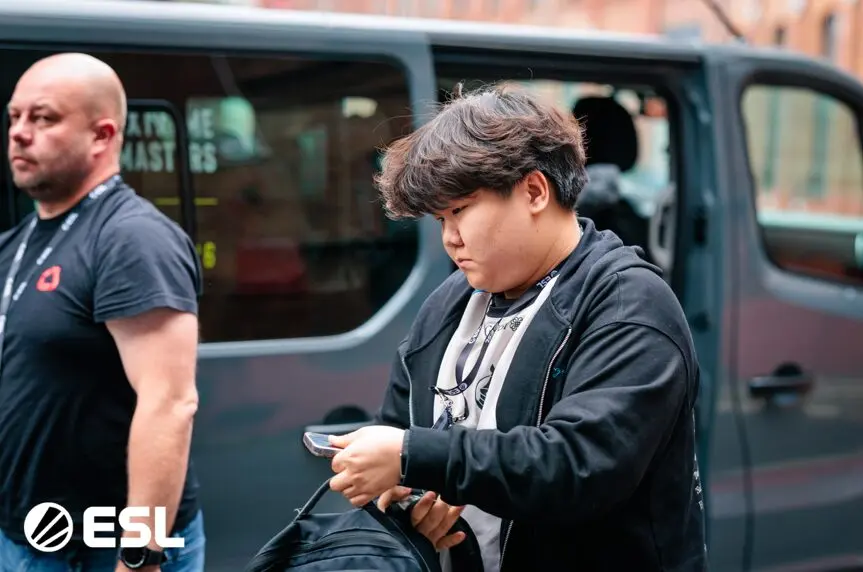
Magisk must build a system, not just rely on his resume
Appointing Magisk as captain seems logical, but it requires clearly defining expectations. Four Major titles and years on Astralis’s golden roster prove his ability to perform under extreme pressure. At the IEM Katowice 2019 Major, the Dane won the MVP award and finished the playoffs with a rating of 1.37. However, an outstanding career as a rifler does not in itself guarantee success as a permanent IGL.
Magisk has limited experience as Astralis’ captain in 2020, but BC.Game will be his first major long-term project in this role. His strengths lie in his discipline, skillful grenade play, and clear round standards. This is exactly the kind of structure the team has been lacking. The Dane’s task isn’t to micromanage every firefight, but to ensure that all five players understand who is creating space, who is providing cover, and who is making the final call.
Emil can be aided by electronic’s experience; he has already led teams and understands the inner workings of the scene. But there’s a risk here: the team has too many players with strong opinions about gameplay. Magisk must remain the final authority, while the others should support him with information without turning every round into an argument. In this setup, TaZ is important first and foremost as the person who maintains the overall hierarchy and resolves conflicts off the server.
What level of performance can we expect from electronic?
It would be unfair to expect electronic to perform like he did in 2018–2021. BC.Game doesn’t need that anyway. In this lineup, Denis just needs to maintain a 1.05–1.1 rating against teams in the top 20 of the VRS and break even against the top 10. With Senzu, mzinho, and s1mple performing consistently, this level of contribution will be enough to ensure the team doesn’t rely on a single source of kills.
Recent tournaments show why the question remains open. electronic posted a 1.18 rating in the first stage of IEM Kraków 2026 and a 1.2 at PGL Bucharest 2026, but his rating dropped to 0.87 at IEM Atlanta 2026 and 0.92 at the CS Asia Championships 2026. That said, in the match against Team Falcons, he finished Dust2 with a rating of 1.73. His mechanics haven’t gone anywhere; what’s missing is consistency.
The new roster gives Denis a more manageable role. He doesn’t have to lead, open rounds, and be the second superstar all at once. He can focus on trades, reading the opponent, and making decisions in late-game situations. If Denis embraces this role without trying to regain his former status at any cost, he’ll become a key player rather than a problem for the team.
Will s1mple have enough motivation to go the distance?
There are almost no questions about s1mple’s skill ceiling. But what about his attitude toward his routine, daily work, and willingness to spend months navigating qualifiers and less prestigious tournaments? During his time at BC.Game, Alexander has maintained a rating of 1.18, though his results have fluctuated significantly. This is the profile of a player who is still capable of deciding matches but has yet to prove his consistency over a full season.
His brief stint with FaZe Clan provided ample evidence of his skill. At IEM Dallas 2025, s1mple posted a 1.07 rating, and he finished the second stage of the BLAST.tv Austin 2025 Major with a 1.08. In the third stage, his rating rose to 1.37, and in the main part of the tournament, it stood at 1.2. An unsuccessful quarterfinal match against The MongolZ does not negate the main point: the stand-in, without a full training cycle, proved to be among the best players in the decisive stage.
In May 2026, Alexander once again demonstrated the same level of performance. In a series he lost to Team Vitality at IEM Atlanta, he recorded 41 kills and 29 deaths, earning a rating of 1.18. But s1mple finished the entire tournament with a 0.94 rating, and against tEAM Falcons at the CS Asia Championships, he posted a 0.98 rating. These numbers don’t negate his skill; they distinguish the ability to deliver a strong run from the consistency required of a top-10 team.
Strong teammates can address both sides of the issue. With s1mple on the team, the pressure to save every difficult round will be lifted, but at the same time, there will be no excuse for the team’s lack of preparation. He now has a roster that makes it worthwhile to return to full-time competitive play. It remains to be seen whether this will serve as a source of motivation for months to come, rather than just for a single match.
Senzu and mzinho raise the bar for the starting five
Senzu is the most obvious candidate for the role of primary rifler. He knows how to create an advantage on first contact, quickly capitalizes on a successful exchange, and doesn’t lose his composure in clutch situations. In the Esports World Cup 2025 final against Aurora, he posted a rating of 1.44 and helped The MongolZ win the series 3-0. A player like this allows the captain to build rounds around more than just the AWP.
mzinho brings a different kind of value. He shouldn’t be judged solely by his average rating: at The MongolZ, he’s been through five Majors, rotating roles, and knockout matches. Ayush knows how to remain effective without constantly being prioritized for resources. For a team with s1mple and Senzu, this is especially important because all five players can’t secure the best positions at the same time.
This is precisely where the coaching staff must exercise caution. Magisk and mzinho will have to redistribute some of the key positions, while electronic will be assigned zones where his decision-making is more valuable than pure aggression. If roles are assigned based on status, the roster will lose its balance. If they’re assigned based on current performance, BC.Game will have a rare combination of flair and depth.
The real work will begin before the first official match
This five-man squad doesn’t face an obvious language barrier, but communication can’t be taken for granted. Two players are accustomed to the Mongolian system, two have been communicating in Russian for years, and the captain will call the plays in English. At a basic level, this is sufficient. In fast-paced rallies and tense endgames, the difference between a clear phrase and an instant response can decide the round.
The second layer involves consistent rules for responding to mistakes. A team with strong personalities can grow quickly if post-game analysis remains objective. It can just as easily fall apart if every loss triggers a search for someone to blame. Magisk and TaZ must determine in advance how decisions are made, who speaks during pauses, and which grievances remain outside the scope of official matches.
That’s why the first few weeks are more important than the first highlights. BC.Game needs a stable six-map pool, consistent majority and minority protocols, and a clear system for calling plays after the first engagement. Individual skill is enough to beat many opponents without playing perfectly. But for consistent Tier 1 playoff runs, that’s not enough.
VRS won’t let you skip the development phase
The new core is essentially starting over in the Valve Regional Standings. This means that big-name players won’t automatically secure invitations to major tournaments. BC.Game will have to rack up matches, play qualifiers, and earn points against teams of varying skill levels. In this situation, a poor schedule is more dangerous than a single bad result.
Management’s goal of reaching the top 5 by the end of the year seems ambitious. It won’t be enough to simply climb the VRS quickly; the team must immediately assemble a peak lineup, learn to close out evenly matched series, and advance deep into the bracket of a major LAN tournament on multiple occasions. A top-20 finish seems like a realistic benchmark, provided the team doesn’t waste months experimenting with roles. A top-10 finish is possible once the Magisk system is up and running, electronic stabilizes, and s1mple can keep up the pace for the entire season.
Starting from a low position is actually helpful for evaluating the project. Weaker opponents will test the team’s discipline, while teams of similar caliber will test their ability to win even when their star players aren’t at their absolute best. If BC.Game is truly ready for Tier 1, its rise will be marked not by a single upset, but by a series of predictable victories. It is precisely this path that transforms a talented roster into a strong team.
What is BC.Game’s ceiling?
This roster deserves a positive outlook. BC.Game has an elite sniper, two young but already experienced riflers, a veteran with four titles, and electronic, who is no longer expected to be a superstar. In terms of player talent, this is already Tier 1. Now, the quality of the project will be determined not by big names, but by how quickly they adapt to the team’s common rules.
A return to the VRS top 20 doesn’t seem like a far-fetched dream, but rather a minimally reasonable goal. A top-10 finish is also a realistic possibility: for that to happen, s1mple doesn’t need to return to his all-time peak, and electronic doesn’t need to become a top-5 player in the world again. All it takes is consistent performances from both of them, a strong Senzu, and a system that doesn’t force mzinho and Magisk to sacrifice effectiveness. In this form, BC.Game will be able to not only secure an invitation to a Tier 1 tournament but also stay there after an initial setback.
The gap to the top 5 is significantly wider. That will require a mature map pool, flawless communication, and several months of playing together against the world’s best teams. But for the first time, BC.Game’s ambition doesn’t seem out of touch with the roster. The two main questions remain the same: electronic’s consistency and s1mple’s motivation. If the answers turn out to be positive, this team’s ceiling truly lies within the top 10.