The collapse of the women’s scene, hate, and the greatness of apEX—highlights from the malik podcast with tory

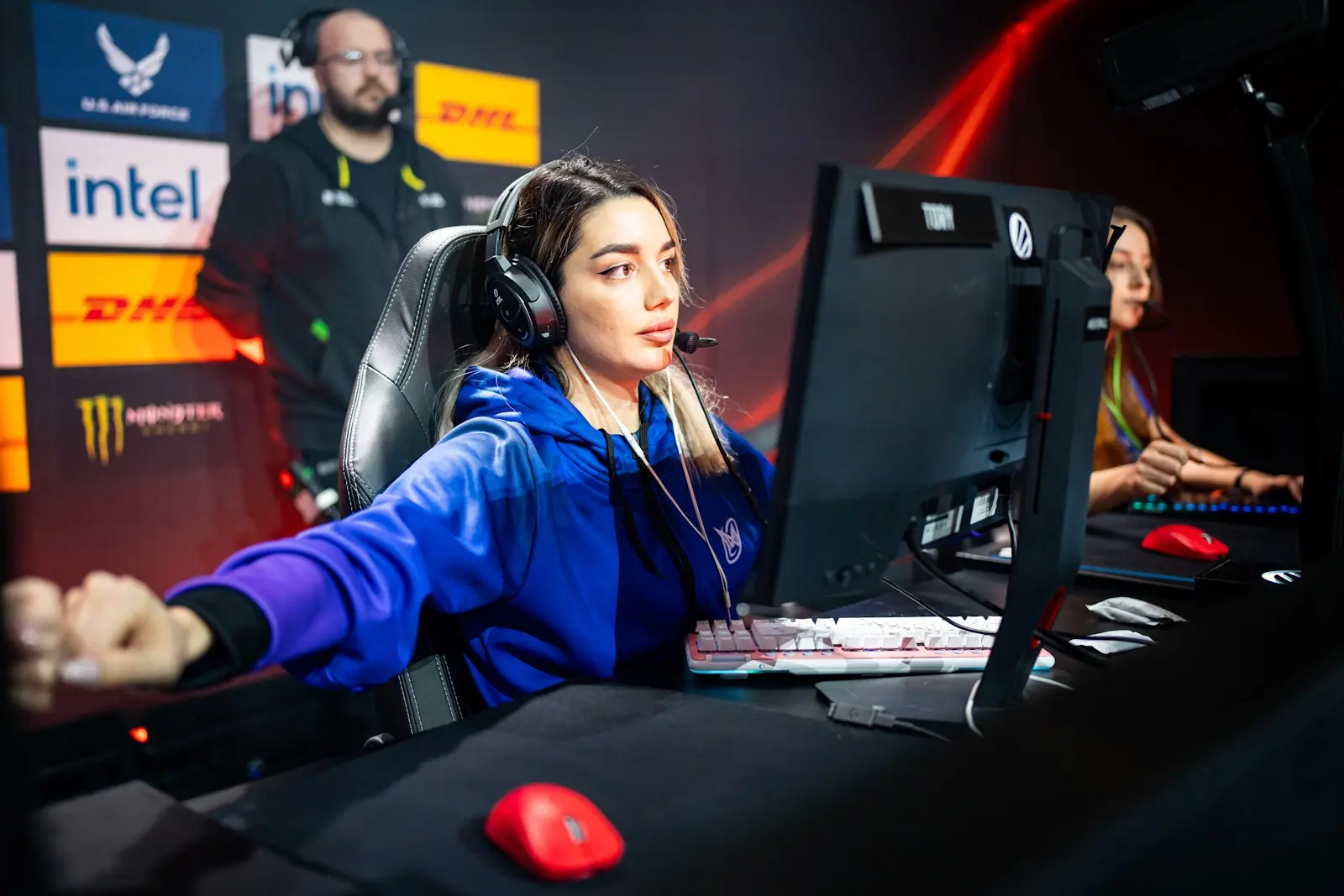
Clutchain Female rifler Victoria “tory” Kazieva appeared on a new podcast on Artem “malik” Arkhipov’s YouTube channel. Here’s a quick rundown of the highlights in our article.
On discovering Counter-Strike, family support, and her first steps on the professional scene
Kazieva discovered CS at age 11 thanks to her older brother, who played version 1.6. Later, the esports player became hooked on the shooter and even skipped school to play matches with friends at computer clubs.
Kazieva’s parents were initially against gaming, but her mother was willing to compromise as long as her daughter maintained good grades. In 2017, tory asked for two months to test the waters, after which she signed her first contract with a salary of $500.
Victoria earned a law degree at her mother’s insistence, but quickly realized she didn’t want to work in that field. In the end, she went all in, dropping out of law school to pursue a full-fledged career in CS.
Coach TsaGa, who recognized her potential, played a major role in her development as a player. On his advice, tory regularly competed in women’s mixed-team tournaments, which led to her being spotted by scouts and invited to tryouts.
On the impact of hate on women in esports, toxicity on FACEIT, and stereotypes
The player noted the “death” of women’s esports due to a lack of tournaments. To advance in the scene, tory advised women to actively stream on Twitch and promote their highlight reels through Reels and TikTok.
Victoria regularly faces hate, but advice from her coach, TsaGa, helps her cope with it. Using his method, the esports player steps out of her comfort zone by forcing herself to play solo more often and host streams.
Kazieva admitted that many girls quit esports because of the hate. Tory herself faced harsh criticism after losing to male players at a LAN tournament in Cluj-Napoca, which left her shaken for a long time and caused her to cry.
The esports player called the notion that girls can’t play a stereotype. According to tory, toxic users write “GG” or even quit matches on FACEIT immediately after noticing a female name on the team.
On the invitation to a men’s tournament, her emotions after the match against Natus Vincere, and women’s CS
In early 2025, coach bubble announced that they had received an invite to BLAST thanks to Valve’s new system. Kazieva admitted that her first thought was to decline the invitation, as she wanted to qualify for such an event on her own through the qualifiers.
Victoria recalled the intense emotions after the match against NAVI, despite the loss. According to tory, the electric atmosphere was maintained thanks to zAAz, who urged the team to ride the momentum of the game, which led the roster to loudly celebrate every kill on TeamSpeak.
The esports player believes that women need more time and tournaments to reach the Tier 2 level. As a sign of progress, Kazieva noted that during the CCT and ESL Impact series, her roster began consistently defeating teams from the HLTV rankings.
On the development of the women’s scene, her hiatus from professional play, and playing on a men’s team
The player called on Valve to support the women’s scene, following Riot’s example with VALORANT. According to tory, holding three major tournaments a year would be enough to develop the discipline—if ESL, BLAST, and PGL each took on one event, the scene would come to life.
Kazieva announced a hiatus from her career due to a lack of training and team tournaments. For now, the esports player plans to focus on streaming, grinding CS, and participating in media championships to satisfy her competitive drive.
Victoria admitted that it’s hard for her to play on all-male teams because of prejudice. According to tory, people won’t listen to her as a captain, since—due to stereotypes—even renowned players on FACEIT often refuse to trust women.
On the future of women’s esports, the transition to VALORANT, and the best captain on the pro scene
The esports player doesn’t believe in a revival of the women’s scene and advises girls not to waste their time on CS. According to tory, there’s currently no stability in this field, which means you could waste two or three years and achieve nothing.
Kazieva recalled that during her time with Nigma Galaxy, her roster switched to VALORANT for a month and a half due to a lack of tournaments. The team returned to CS only after the announcement of the ESL Impact series of events, and she called the game itself from Riot “crap.”
Victoria called apEX the best captain and a true iconic leader, noting his powerful team talks and vibrant personality. According to tory, FalleN is currently far from the level of the French esports player.
Read also:
- tory: “I just went all in and dedicated myself completely to esports” (first part of the podcast).
- tory on stereotypes in esports: “Basically, everyone says, ‘You’re a woman, go back to the kitchen; you don’t know how to play’” (second part of the podcast).
- tory on the future of women’s CS: “I think girls just need a little more time” (third part of the podcast).
- tory on the women’s CS2 pro scene: “We need more support from Valve, just like in Valorant” (fourth part of the podcast).
- tory on apEX: “He’s a true captain and leader—an icon, I think” (fifth part of the podcast).
Victoria “tory” Kazieva has been competing on the professional Counter-Strike scene since 2017. She gained the most recognition as a member of Nigma Galaxy, which won six consecutive seasons of the ESL Impact League.
Photo by Luc Bouchon, ESL.