North America Has Disappeared: What Happened to the Region in CS2?

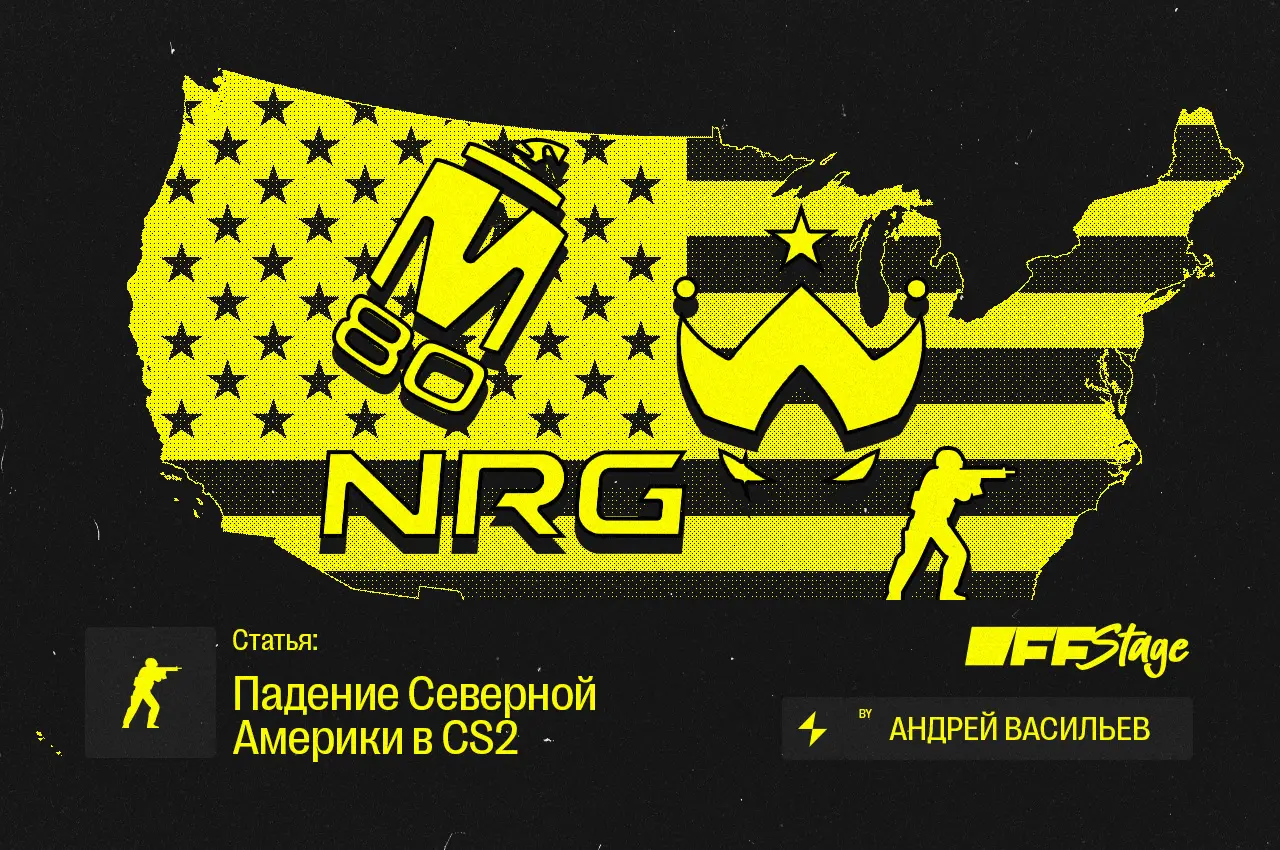
Not long ago, the North American scene had three teams with international ambitions. M80 regularly qualified for major tournaments, NRG was closing in on the top 20, and Wildcard made it to a Major twice. Now, none of them are among the top 20 in the VRS. Let’s take a look at why these three different teams fell out of contention almost simultaneously.
Three Hopes Instead of One
The outlook for 2024–2025 looked promising. M80 reached the quarterfinals of ESL Pro League Season 20 and learned to consistently qualify for tournaments. Wildcard won the Americas RMR ahead of the Shanghai Major with a 3–0 score. NRG was growing more slowly within the region, but by early 2026, it had also closed in on the top 20 of the VRS.
These were not three evenly matched teams. M80 offered a clear system and the highest average skill level; Wildcard stood out for its experienced coaching and ability to prepare for specific opponents; and NRG had the resources of a well-known organization and strong North American players. Together, they gave the impression that the region was regaining its depth.
As of July 27, 2026, M80 ranks 24th in the global VRS. Wildcard is in 30th place, while NRG is only in 55th. Formally, the top two are still within striking distance of the international bracket. However, neither appears to be a consistent threat to the top 15. It is precisely this gap between ranking and actual competitiveness that best describes the current crisis.
M80: Stability Has Become a Ceiling
M80 has come closer than any other team to achieving the status of a powerhouse. In 2024, its main driving force was Mario “malbsMd” Samayo. He had the best season of his career and maintained a rating of around 1.32. The team defeated G2 at ESL Pro League Season 19, and then traded their star player to G2.
Mason “Lake” Sanderson took malbsMd’s place. The young rifler quickly proved he deserved the opportunity. He became one of the team’s leaders at ESL Pro League Season 20, where M80 reached the quarterfinals. Later, the team made it to the playoffs of the BLAST Open London and established itself as a regular contender at international tournaments.
The problem became apparent at the next level. M80 reached Stage 2 in three consecutive Majors but failed to advance further. In 2026, the team lost to HEROIC Academy at ROG Journey and was eliminated from the ESL Pro League after a series against Liquid. At IEM Atlanta, they were once again stopped by Liquid, and at the CS Asia Championships, by MOUZ. The Cologne Major ended with a loss to Legacy in the Stage 2 decider.
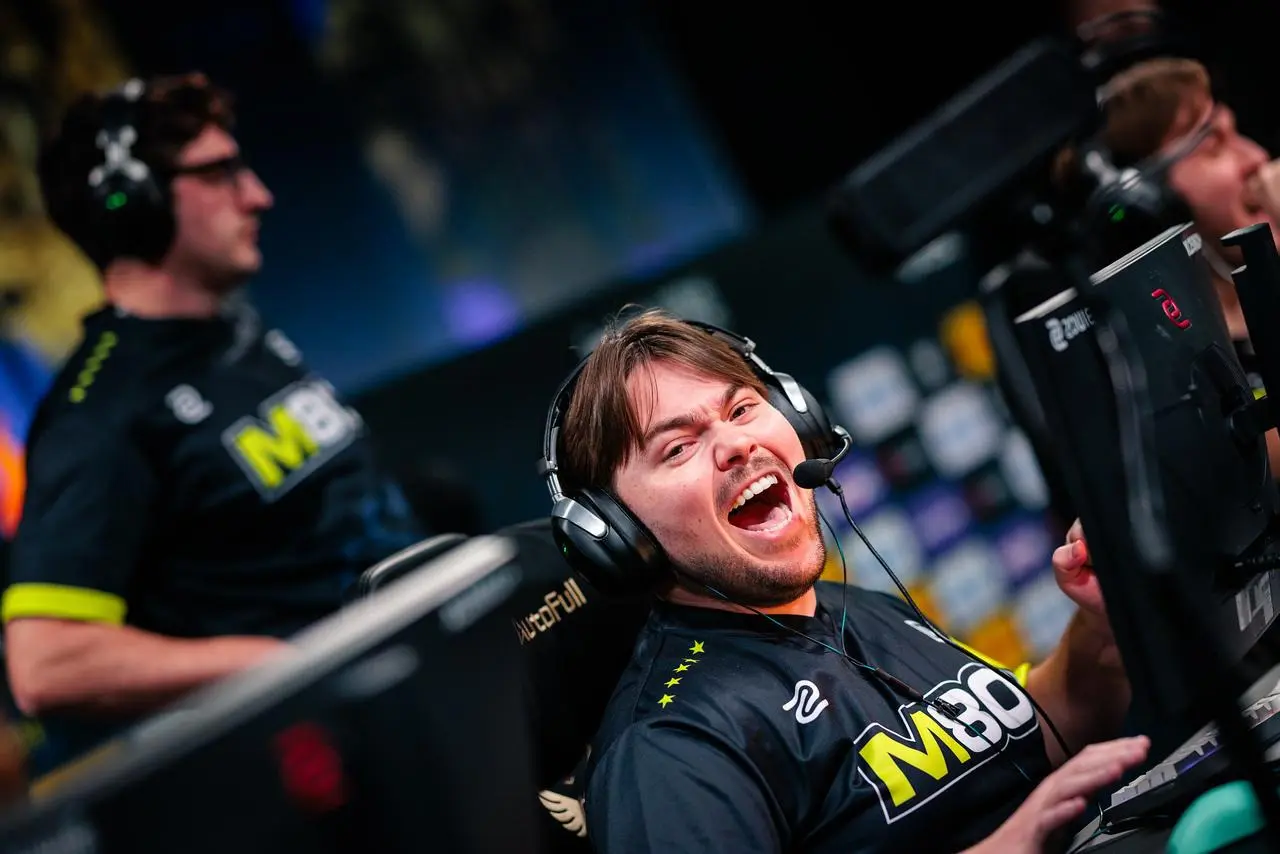
These results don’t look like a collapse. M80 still comfortably beats a significant portion of its lower-tier opponents. Elias “s1n” Stein and coach Rory “dephh” Jackson have a system that works. Fritz “slaxz-” Dietrich provides consistent AWP play, and Michael “Swisher” Schmid is having a strong season. Lake is also capable of winning individual maps.
However, the roster no longer has a player with the same impact as malbsMd. He was capable of single-handedly disrupting an opponent’s carefully prepared plan. Josh “JBa” Barutt has added talent to the team, but he’s still learning to make decisions within a strict structure. M80 knows exactly how it’s supposed to play. It lacks a player who can turn the tide of a close match without a perfect scenario.
This creates a paradox. Stability protects M80 from slipping down to the level of an ordinary Tier 3 team. That same stability is gradually making them predictable to top-tier opponents. Without a breakthrough from Lake or JBa, the current roster risks remaining stuck between 20th and 30th place for a long time.
NRG: Restructuring Wasted Their Best Moment
For NRG, the reason for the slump is almost the opposite. The team didn’t get stuck with a single starting five but changed direction too often. The start of 2026 looked promising. NRG qualified for the BLAST Open Rotterdam and climbed into the top 20 of the VRS. In the qualifiers, they confidently defeated Passion UA, and several players simultaneously posted high ratings.
In February, the organization signed Michael “Grim” Vince and removed George “Jeorge” Endicott from the starting lineup. On paper, this was a logical upgrade in firepower. On the server, however, the team lost some of its well-rehearsed plays. Then their results quickly took a nosedive.
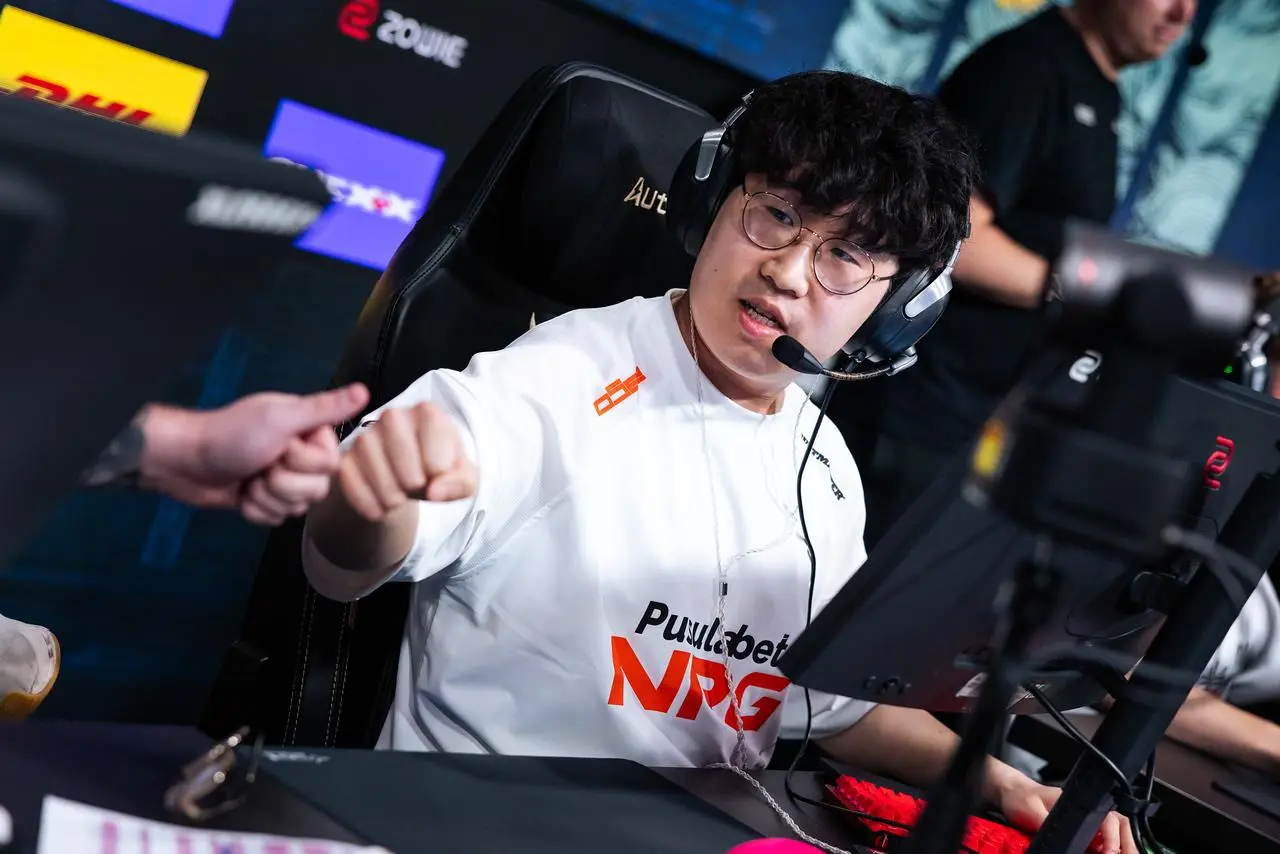
At ESL Pro League Season 23, NRG didn’t win a single series. At IEM Atlanta, the team was soundly defeated by FaZe. At the CS Asia Championships, they had to play with coach Damian “daps” Steel instead of Alexander “br0” Talevski. The tournament once again ended without a single series win. At the Cologne Major, NRG finished in 25th–27th place.
The story of Josh “oSee” Oh was particularly telling. His overall rating with NRG looked respectable. The sniper racked up most of his stats in North American matches. At LAN tournaments in 2026, his average rating dropped to around 1.02. At IEM Atlanta, the CS Asia Championships, and the Major, it never rose above 0.86.
In the summer, NRG reshuffled the roster again. br0 was benched, Jeorge returned, and oSee was replaced by Håkon “hallzerk” Fjærli. The current lineup consists of Nick “nitr0” Kannella, Aran “Sonic” Grusbeck, Grim, Jeorge, and hallzerk. Individually, they are strong and skilled players. Grim and hallzerk have already played successfully together at Complexity.
The new lineup seems more logical than the previous one, but it has to start almost from scratch. The team is ranked 55th in the VRS. They need to rack up points, rebuild their role structure, and regain confidence after a tough half-year. NRG fell out of contention not because of a single weak player. The organization changed its roster several times while it still had a chance to succeed.
Wildcard: One Restart After Another
Wildcard suffered more than the others from roster turbulence. In the fall of 2024, Peter “stanislaw” Yarguz’s team swept the Americas RMR 3–0. It also made it to the Shanghai Major and regularly competed with M80. In the spring of 2025, Wildcard secured its second consecutive Major berth.
At the BLAST.tv Austin Major, the team started Stage 1 with two wins. They were just one series away from advancing to the next stage. Instead of breaking through, they suffered three consecutive losses, and the decisive match against Legacy ended in a rout. This setback wasn’t a disaster in and of itself. The real crisis began after the tournament.
Wildcard unexpectedly lost stanislaw and sniper Lava “phzy” Smidebrandt. Sonic had to temporarily step in as captain, even though he himself didn’t see a long-term future with the roster. The organization then brought back stanislaw and phzy. Other players rotated in and out of the starting lineup, the bench, and on loan. In November, the entire roster was put up for transfer.
A new starting five emerged in January 2026, but it, too, changed quickly. First, Jaydan “HexT” Postma joined the team. Then Nemanja “nEMANHA” Jukić became captain, and Danny “Cxzi” Strzhelchik rounded out the roster. Currently playing alongside them are Miloš “mhL” Knasjak and Ethan “reck” Serrano.
This roster is already showing promise. Wildcard won the BC Game Masters Championship Season 2. At BLAST Bounty, they crushed Alliance 2–0, conceding only ten rounds across two maps. Their next match against The MongolZ ended in a 0-2 loss. On Inferno, the team kept the score even until the very end but once again couldn’t hold on during the final stretch.
Therefore, a 30th-place finish in the VRS cannot be considered proof of a complete collapse. Wildcard is more likely at the beginning of a new cycle. Its main problem is the lack of accumulated experience specifically among this starting five. Over the past year, the organization has changed its core lineup twice and reconsidered its decisions regarding individual players several times. In such an environment, every setback brings the team back to discussing new substitutions.
Why the Problem Extends Beyond Three Rosters
The stories of M80, NRG, and Wildcard differ, but they converge on one point: North America lacks a second tier of players. A team can find a promising rifler. It’s much harder to replace a captain, a sniper, or an experienced support. That’s why teams either stick with familiar names or look for solutions outside the region.
The current lineups clearly illustrate the extent of this dependency. M80 has a German captain and a German sniper. Wildcard has a Serbian captain and a Polish sniper. NRG signed a Norwegian sniper and plays with a South African rifler. The transfers themselves make sense. The problem is that the local system rarely offers an equivalent alternative.
Internal competition has also weakened. Complexity’s departure from Counter-Strike deprived the region of yet another stable organization. Top players now tend to move between the same few teams. JBa moved from Wildcard to M80, and Jeorge returned to NRG a few months later. Such transfers strengthen a single team but do little to expand the overall talent pool.
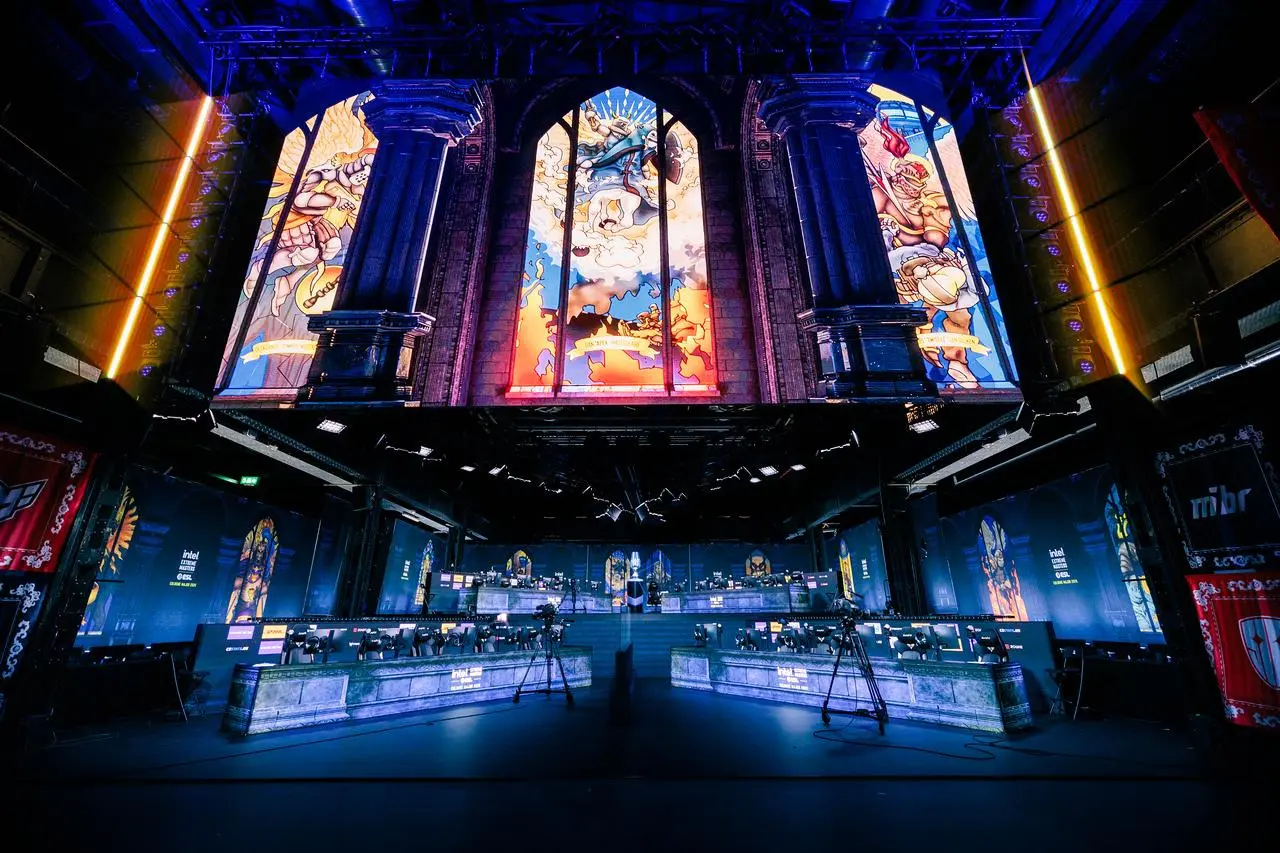
A separate challenge is the difference between home matches and international LAN tournaments. In North America, teams often face the same opponents. They know each other’s habits well and consistently rack up points. In Europe, the pace is faster, preparation is more thorough, and a weak spot is tested over several consecutive rounds. It is there that strong regional stats no longer guarantee a result.
Lynn Vision player Qihao “C4LLM3SU3” Su identified constant roster changes as a problem for the region as far back as 2025. In his view, teams lack the time to develop chemistry and communication. M80 was a partial exception and achieved a high baseline level. Wildcard and NRG clearly demonstrated the downside: every new substitution undoes some of the work already done.
Finally, North American organizations have less room for long-term experimentation. International travel and European boot camps are costly, and there are fewer stable sponsors. When results don’t come quickly, management looks for an immediate upgrade. Thus, a competitive problem turns into a cycle: instability leads to a roster change, and that change creates new instability.
Liquid Doesn’t Fill the Void
Liquid inevitably comes up in any conversation about North America. However, this article isn’t about them for one simple reason. The organization has long been building international rosters and working toward its own goal of returning to the elite. Even a resounding victory over Vitality at July’s BLAST Bounty does not restore the regional system.
A strong Liquid could give fans a major North American team. But it won’t create new opportunities for local captains, snipers, and young riflers. The region needs depth beyond its flagship team. Without it, any successful five-man squad will remain the exception.
Who’s Closer to a Comeback
M80 remains in the best position. The team already has international experience, a stable system, and the 24th spot in the VRS. It doesn’t need a new overhaul just for the sake of it. What’s needed is for one of the young players to rise to the level of a true star. Another option is a targeted transfer that would add unpredictability to evenly matched games.
Wildcard is in second place, even though its current roster has only been together for a short time. Their victory over Alliance demonstrated good pace and preparation. The series against The MongolZ served as a reminder that one strong match isn’t enough. The most important step for the organization right now is as simple as it gets: keep the starting five together and let them weather their initial setbacks.
NRG has the most recognizable names, but the toughest starting position. The Grim and hallzerk duo raises the ceiling, and Jeorge’s return could restore balance to the team. However, they’ll have to earn their ranking points and trust all over again. If the search for someone to blame starts up again in the fall, the entire summer reboot will have been for nothing.
North America needs a system, not just a single sensation
M80, NRG, and Wildcard haven’t disappeared. Each still has the funds, experience, and players to return to the top 20. But right now, they represent three unfinished projects. M80 has hit a ceiling, NRG has lost momentum, and Wildcard is still building a new core.
The region won’t become competitive again after just one victory over a favorite. To achieve this, two or three teams must maintain stable rosters for months and regularly compete in international LAN tournaments. They also need to develop local players in key roles. Otherwise, any strong five-man lineup will remain too fragile.
M80 might be the fastest to bounce back, while NRG is capable of making the most significant leap forward. Wildcard still looks the most uncertain, but is already showing signs of life. The issue now isn’t a lack of talent. North America needs to stop starting from scratch every time it tries to develop talent.