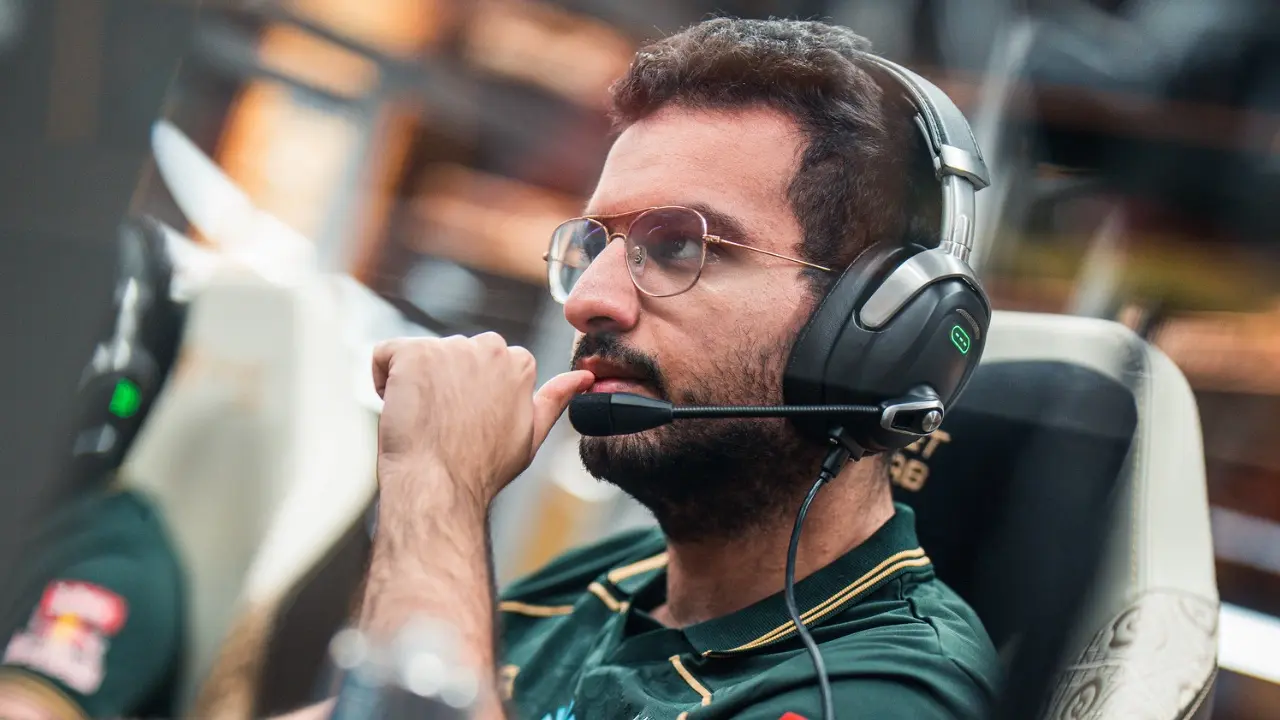
Ahilles discussed the challenges of being a Dota 2 coach

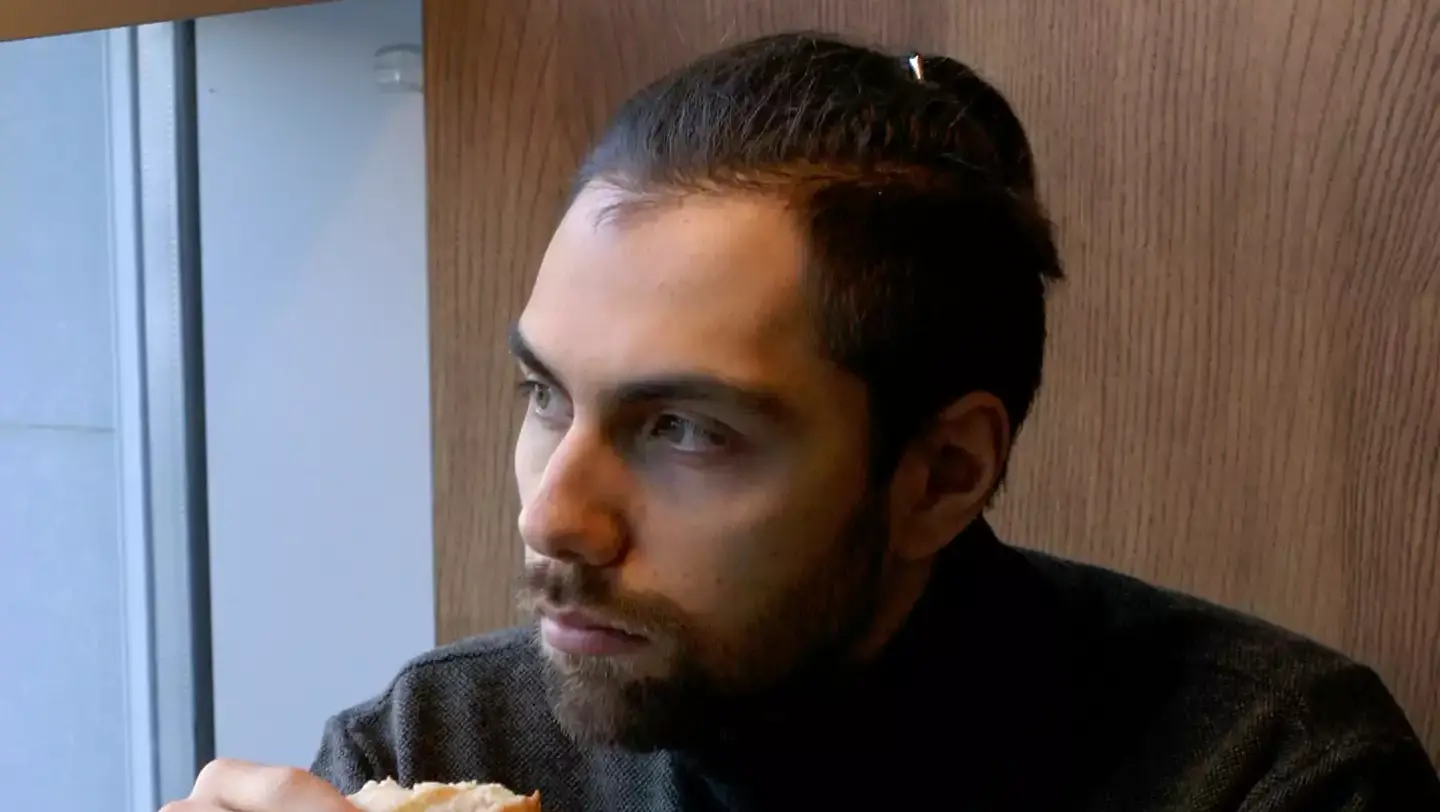
Streamer Timur “Ahilles” Kulmukhambetov discussed the challenges of coaching professional Dota 2 teams on his Telegram channel.
The quote is reproduced with the source’s spelling and punctuation intact
The Profession of a Dota 2 Coach
Watching Play Time get eliminated 0-3 from Tier 2(3) of the tournament, I wanted to share a few thoughts.
You could say these are the downsides of the profession today.
1. Your success and brilliance from yesterday don’t guarantee you anything today. Astini used to win Tier 1 tournaments on a regular basis.
But without the proper support of a strong organization and capable players, you’re bound to face nothing but disappointment down this path.
I totally understand Bulka, who isn’t willing to take the risk of going it alone with new players.
2. No matter how hard you work, your success depends entirely on whether a player hits the button at exactly the right moment.
3. There’s massive competition.
Right now, a bunch of veteran players have ended their careers and are now looking to break into coaching. And there are fewer and fewer organizations willing to offer you decent working conditions.
4. The influx of new talent is drying up.
It’s become harder to build a fresh core of talented players than it was, say, five years ago. Everyone is either under contract or lacks talent.
5. Coaching today means spending the entire day preparing for games.
Drafts, analyzing replays (before the game), watching the games themselves, and then analyzing replays (after the game). Plus, you have to keep an eye on discipline and the team’s morale.
6. It’s harder for a coach to work with Tier 2–3 teams. The players are often not professionals and are less responsible.
7. The percentage of prize money is often lower than what the players receive. The same goes for the salary. But this varies from person to person. I’ve received between 0% and 16% of the prize money. My salary has sometimes been lower and sometimes higher than the players’.
8. Coaches often hire their buddies. A buddy is closer to you, and you know what to expect from him. Therefore, without close connections or contacts, the path to the top is even more difficult.
9. Your reputation is both your friend and your enemy. A past failure weighs more heavily than even a success story. Very often, you end your time with players on a negative note. And that negative note then spreads far and wide among other people.
Especially if you were harsh and rude
10. Being a coach is boring.
As strange as that may sound. You don’t even have time for social media or other games.
11. The responsibility is through the roof. The coach is always held accountable. You’re responsible for every action and inaction within the team.
Of course, there are organizations where the coach doesn’t have that much authority, but generally speaking, that’s how it is.
12. The stress is *** [crazy].
This leads to another problem: health issues. Because of the overwhelming stress, your body’s vulnerabilities will start to show.
For me, it was sleep problems. I slept 4–5 hours. The quality of my sleep was terrible.
And then there’s overeating. I don’t drink or smoke. So I stuff myself with all kinds of junk food to cope with this awful stress. On top of that, I’m an anxious person by nature, which already puts constant pressure on my mental state.
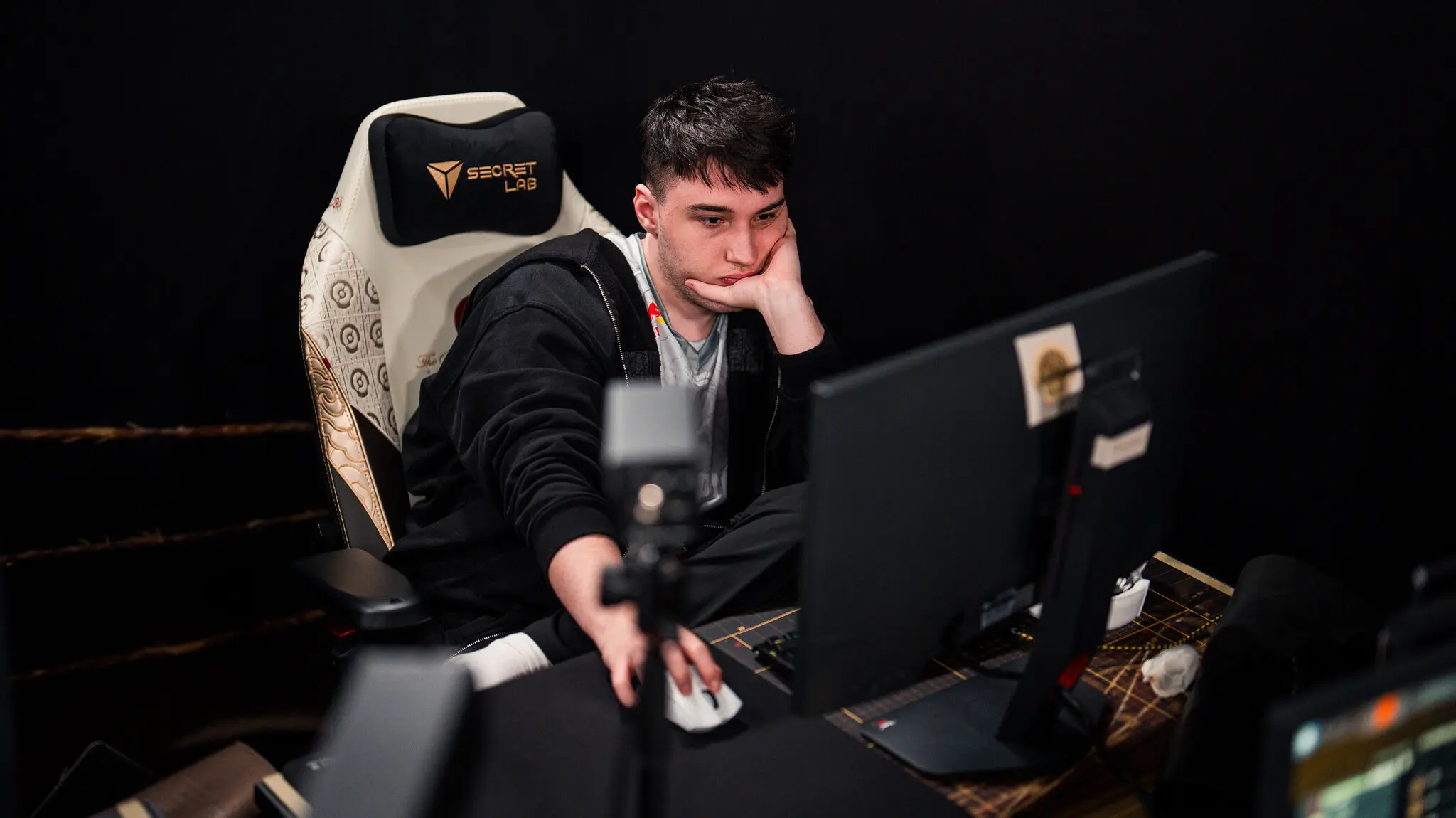
PlayTime, coached by Filipe “Astini” Astini Ribeiro, finished in 15th–16th place at PGL Wallachia Season 9. The South American team lost to Conventus Stellarum, Team Cobra, and Yakult Brothers.
Photo by Timur “Ahilles” Kulmukhambetov.