boolk: “In a really good team, anyone can be the coach”

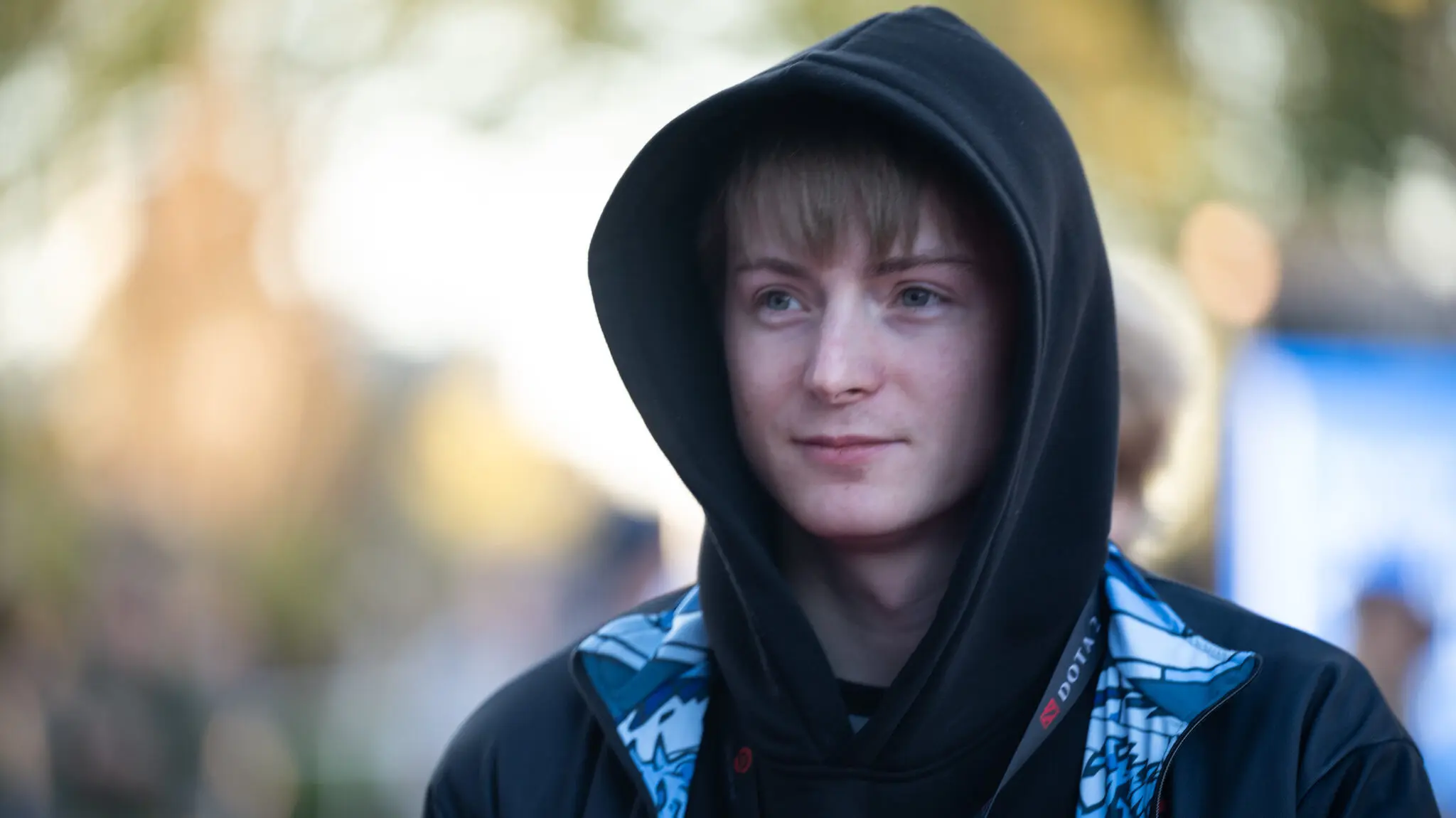
BetBoom Team coach Anatoly “boolk” Ivanov spoke to OFFSTAGE about criticism from the community and explained what takes up most of his time as a coach.
On criticism from the community
I picked up this habit somewhere else, right around the time I started actively traveling to LAN events and participating in the media scene. I mean, I was just really enthusiastic about it. I wanted to show people what esports is like from the inside. I had a lot of ideas, so to speak, because I’m just a fan of esports myself, and I was lucky enough to witness its early days, so to speak, and be a part of it. But then, when I started facing my first criticism and hate, I realized it wasn’t worth getting distracted by all that, so I simply stopped reading any comments back in 2019. So the most I read are headlines. Well, headlines on some news site or another. And if, say, a headline catches my interest, then I’ll click on it and read the whole thing—whatever the person said, for example. Most of the quotes there are, of course, taken out of context, but still.
On the public’s assessment of a coach’s work
I think people are very biased when evaluating results. They always downplay the coach’s contribution by focusing on the team’s results. And since they don’t see what the person actually does—they don’t know, let’s say—it always seems to them that the team did everything, while he was just standing by.
But to be completely honest, I believe that everyone needs to take a much longer-term view. There are few people who are willing to evaluate over a period of several years. ...> In reality, in a very good team, anyone can be the coach. Because, in the end, the players decide absolutely everything in the game: what move to make. And that means these players are, in a sense, responsible for the result on a specific map. And if you happen to have very good players, you can assign just about anyone to coach them, and it won’t do any harm—though it might not do any good either. I think that, overall, you need to evaluate a coach’s results over a very long period and focus first and foremost on their consistency when working with specific players.
What Takes Up the Most Time in a Coach’s Work
When and how. When I’m in the thick of things—let’s say I need to prepare a specific team for a tournament or a specific player for a tournament, because that happens too—then my time is split 50-50. That is, I have to sit down, prepare the material, think about what to say, how to do it, how to structure the work, watch a lot of replays, find some examples, and then demonstrate all of this, explain it, and figure out how to convey it in simple terms so that the person understands. Because it’s very important for the player to gain some kind of knowledge on their own—roughly speaking, a certain kind of formula—because any learning process is built from simple to complex. Even when you go to school, they give you a formula, and you use it to solve equations, so to speak. Similarly, in Dota 2, there are actually a lot of equations and patterns that you can solve using certain formulas. I try to come up with certain kinds of formulas for some people—for some players—to make it easier and faster for them, and to ensure their solutions are high-quality. This takes a lot of time. Then I still have to explain them. [Then they still need to practice it.] Yeah. Then I just need to watch how the idea develops in their minds, so to speak, and see how well they can put it into practice.
Read also: Malady: “Five is the lowest-skill role.”
Earlier, Team Yandex players Alimzhan “watson” Islambekov and Arman “Malady” Orazbaev, in an interview with OFFSTAGE, summed up their performance at the 2026 Esports World Cup in Dota 2, shared their thoughts on the tournament’s organization, recalled their favorite championships, and discussed their takeaways from the EWC.
Photo: Valve.