Cheshir on Silent’s return: “I think we’ll see him back in action as early as next [season].”
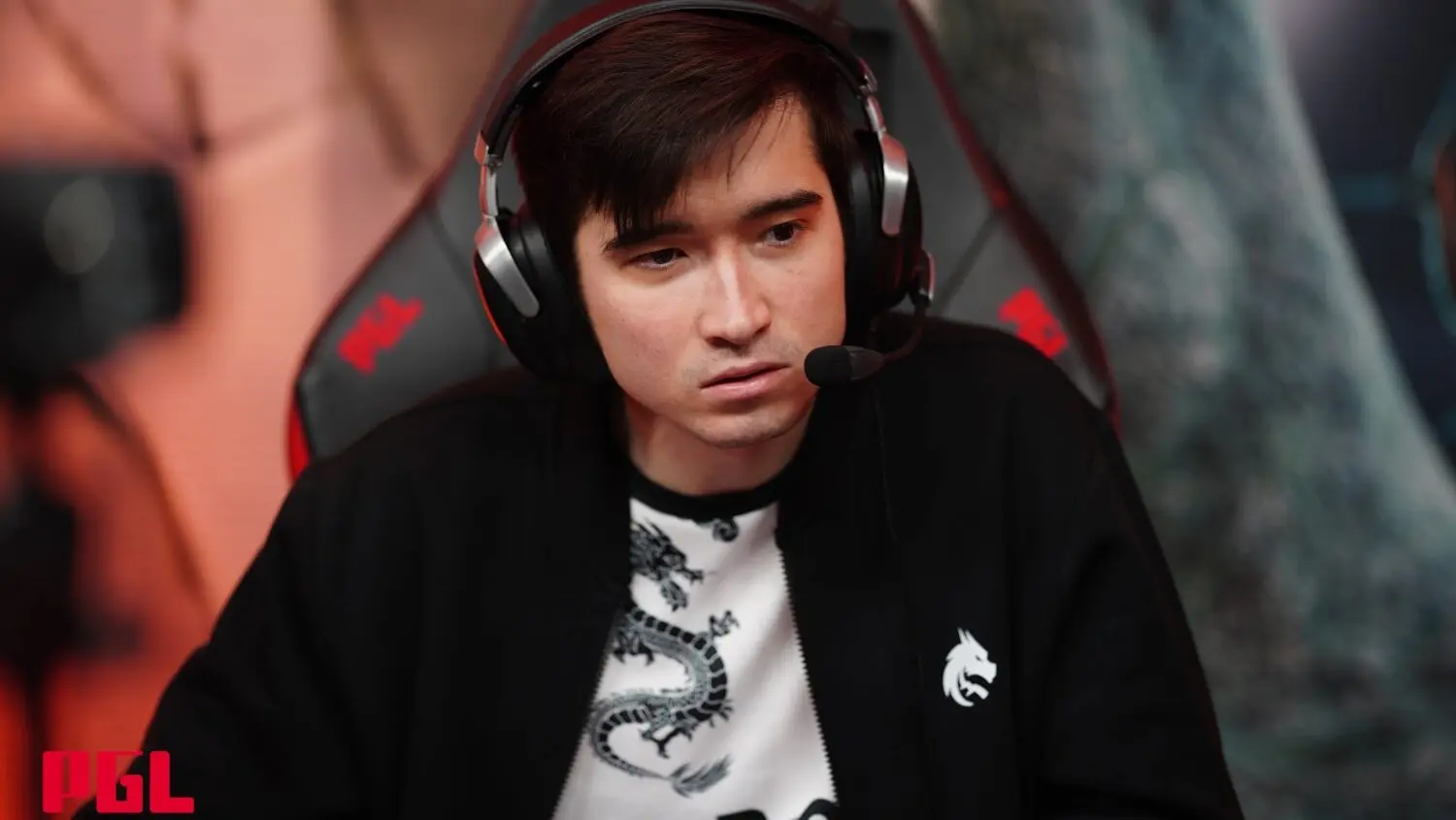
Team Spirit CEO Nikita “Cheshir” Chukalin, during a Q&A session on Telegram, discussed what Dota 2 lacks as an esports discipline, commented on the situation with Tundra Esports, and suggested that Airat “Silent” Gaziev might return next season.
Quotes are reproduced with the source’s spelling and punctuation intact
On Dota 2 as an esports discipline
[Question: “What is Dota esports lacking most right now, primarily on Valve’s part?”]
A clear tournament infrastructure. Canceling the DPC was a huge mistake, and I was very disappointed when I saw the announcement. Instead of refining the system, making it more entertaining, and adjusting the schedule, they made the very poor decision to “completely let go of the reins”; an unregulated market doesn’t always find the best solutions in the long run. We’re now reaping the consequences.)
<...>
[Question: “Why do you think Valve is deliberately opting out of a large Dota 2 prize pool (Battle Pass)? From a business perspective, doesn’t that seem absurd?”]
I think there’s a whole series of reasons for this; to put it briefly:
1) The game’s legacy has become too cumbersome, both from a development standpoint and in terms of the content already within the game
. 2) Key members of the development team have been lost
. 3) Inflating the prize pool through crowdfunding was a dead-end strategy from the start; they haven’t yet managed to adapt during this crisis and change course
About Tundra Esports
[Question: “Hi, Nikita, what do you think about Tundra Esports leaving Dota? Will there be many more cases like this in Dota’s future?”]
I think Tundra’s case is a consequence of certain changes in the sponsorship structure in the fall of 2025, and their delayed demise is more in line with the recent wave of other clubs shutting down, such as GUN5 and so on. I don’t think this is part of any new trend
About Satanic
[Question: “Why didn’t they keep Satanic? And another question: isn’t he still on loan at PARIVISION?”]
At the time, we decided to go with another player; sometimes that happens even with top-tier athletes, which they both undoubtedly were. Yes, he’s still on loan
About Silent
[Question: “What about Airat? Will he come back? And how long will he be on the bench?”]
Ayrat is taking a break this season; after five intense years of work, he’s earned it. I think we’ll see him back in action as early as next season
<...>
Ayrat is still under contract with Team Spirit at the moment, which is why his departure didn’t attract any attention
On the Dota 2 Roster
[Question: “Every story can come to an end. Has the Dota roster run its course? Don’t you think that the constant rotations of everyone except two—Collapse and Yatoro—aren’t yielding results? Could it be that we need to shake things up to refresh the team and give it a new lease on life? How can an organization let its stars go, and how does it approach this? How do you work with stars, and how do you keep them from fading away?”]
A roster, as such, cannot run its course. It’s not a constant; it changes both in terms of how we operate and in terms of player selection. All decisions regarding changes to the roster are dictated exclusively by a sports-first approach and our confidence in specific players. If certain players are on the roster, it means we have greater confidence in achieving results with them than with alternative options.
Working with veteran star players is indeed different from working, for example, with young players. First and foremost, this concerns motivation. Once an athlete has achieved certain results, their initial motivation is exhausted, and this is when the ability to dig deeper within oneself comes into play—to find the reasons why they truly want to continue being the best. The second important component is behavioral model; for a team to function properly, each member must have a behavioral model that falls within the bounds of healthy social interaction. The very term “got a big head,” which is often used to describe certain players, refers precisely to this point. But, fortunately, this problem has largely bypassed us.
Earlier, Team Spirit’s CEO spoke out about the “death” of Dota 2: “The word ‘dying’ carries a very emotional connotation. Esports in Dota is indeed on a downward trend; this is evident across all metrics, primarily in terms of audience engagement with tournaments.”
Photo by Sebastian Pandelache, SC PGL Esports S.R.L.