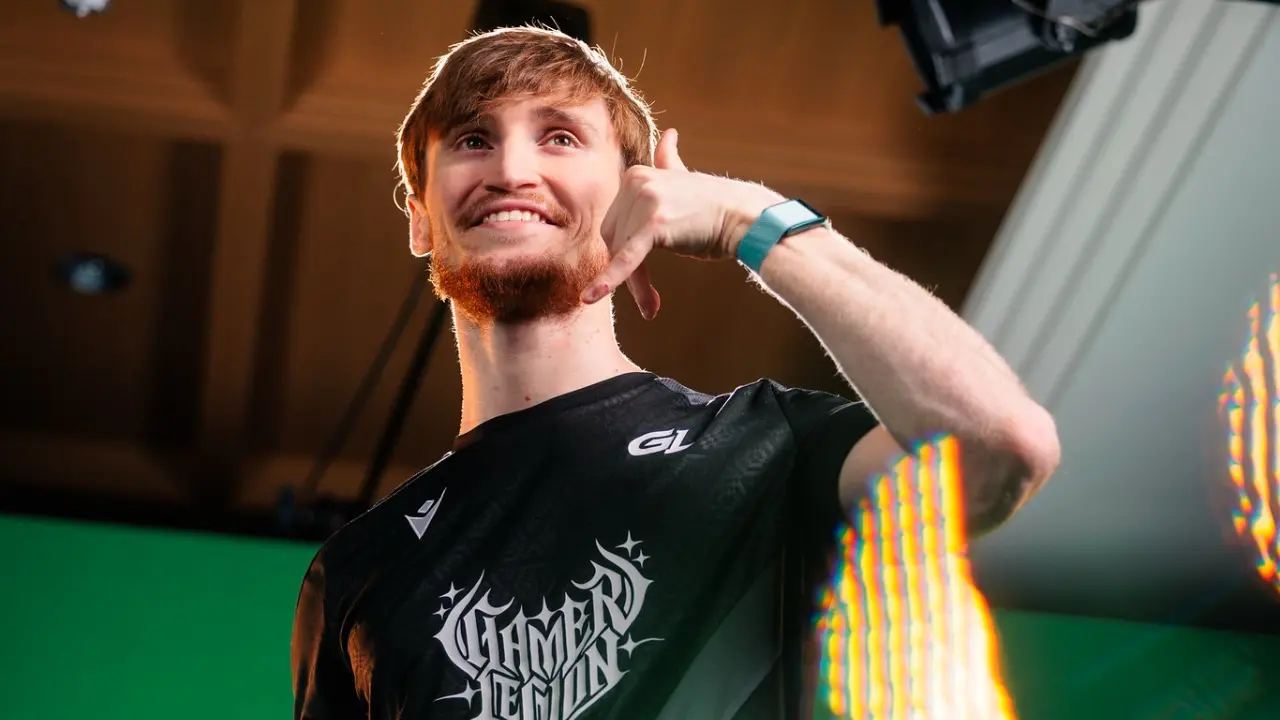
kaffs on LGD’s Chinese fans: “I hope I can win over the hearts of those who are still skeptical.”
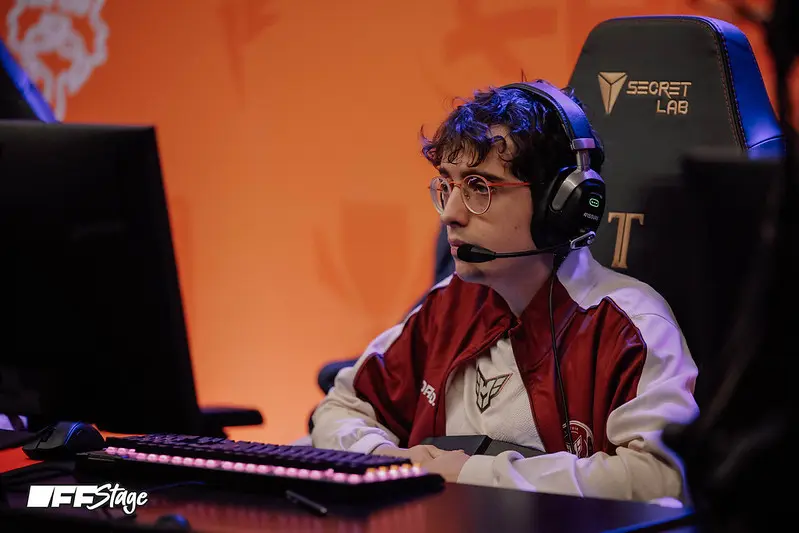
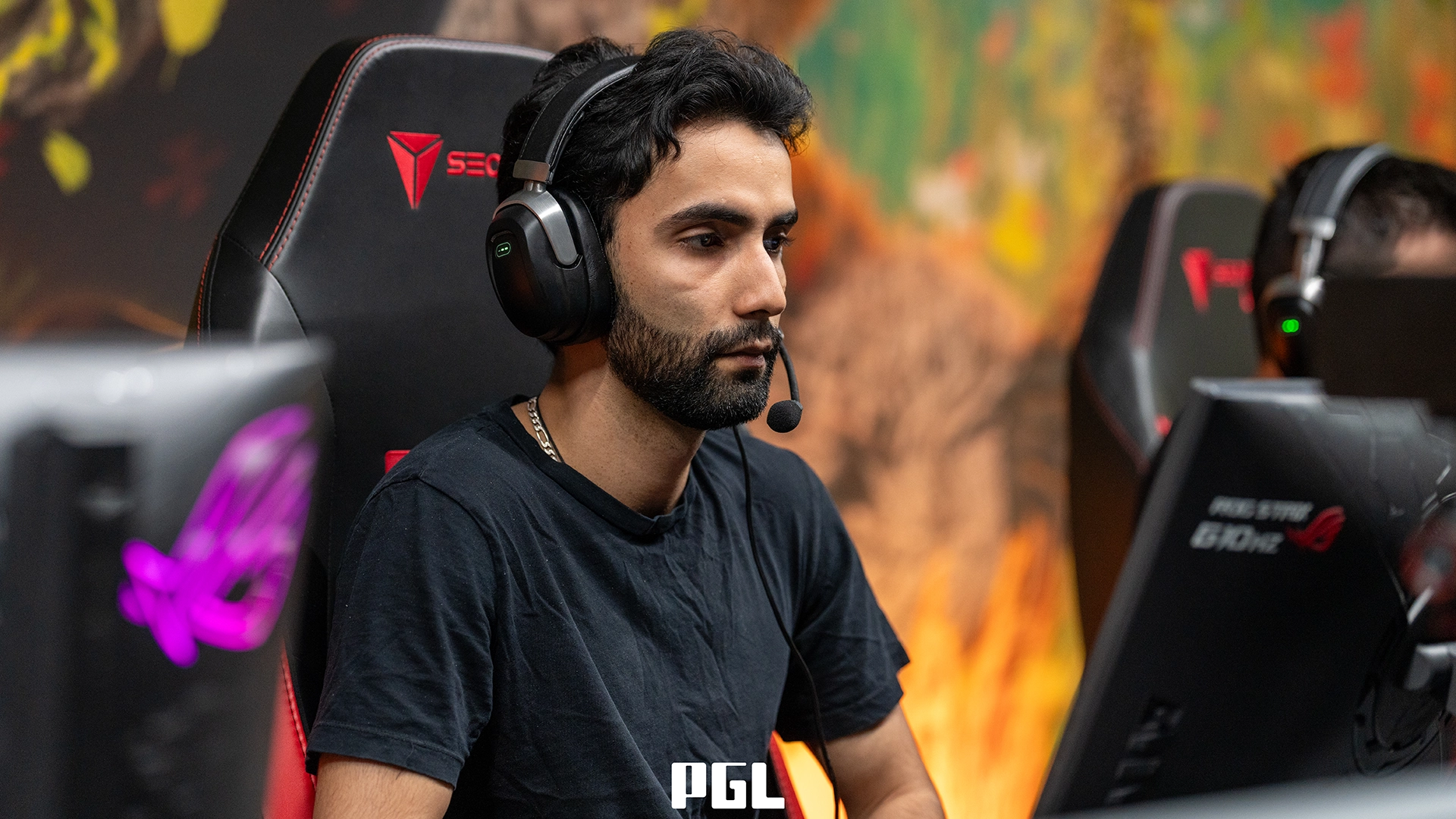
LGD Gaming coach Igor “kaffs” Furtado spoke on the Win Condition DOTA podcast about the challenges following HEROIC’s departure, shared his thoughts on his club’s fans in China, and reflected on the differences between South American and Chinese Dota 2 styles.
On the challenges following the departure from HEROIC
The hardest part was that we all lost our contracts at once. We didn’t have much time to sit around and worry—about five days, less than a week—before something concrete came up. The problem is that we were let go at a terrible time—literally the day after the Esports World Cup 2026 deadline. Because of this, any organization that signed us wouldn’t have received league points for us, and for many, it became unprofitable to take us on precisely because of that.
Plus, our form was slipping a bit at the time, and even though we were somewhere in the world’s top 8, people started to have some doubts about us. Some expected the deal to be cheaper than it actually turned out to be. About five days after HEROIC disbanded us, we got a solid offer—and it wasn’t from LGD. It was a good offer leading up to TI, and we had almost agreed to it, but then LGD Gaming came along. The club’s name alone carried a lot of weight, so we started negotiating with them.
On LGD Gaming’s fans in China
I’m aware that LGD’s Chinese fans weren’t too happy that the club signed a team from outside China. But I’m not too worried; I think everything will be fine. I understand their reasons, but we’re a pretty entertaining team—it’s easy to root for us—and we play well, so there are plenty of reasons to support us. I hope I can win over the hearts of those who are still skeptical. Taking the stage in an LGD Gaming jersey gives us confidence and motivation. Sometimes it sounds too good to be true.
On the Difference Between South American and Chinese Dota 2 Styles
Essentially, South American Dota 2 used to be the complete opposite of the Chinese style. But I think, over time, both regions have become more “European”—that is, they’re trying to play the best version of the esports. We had to adapt to compete, and the game itself has changed significantly. Now even teams from China have everything organized: they have plenty of tools to understand the meta and patches, and they know when to attack quickly and when to take it slow. Of course, everyone adapts to their own strengths, but everyone tries, at least to some extent, to follow the general trend.
Earlier, Zhang “Bach” Zhuida named the best offlaner in the world: “I really like ATF, and I truly look up to him. I think he’s the best offlaner right now; this esports player has changed my perception of Dota 2.”