Sheever on The International: “It’s still the tournament you have to win if you want to be considered the best.”

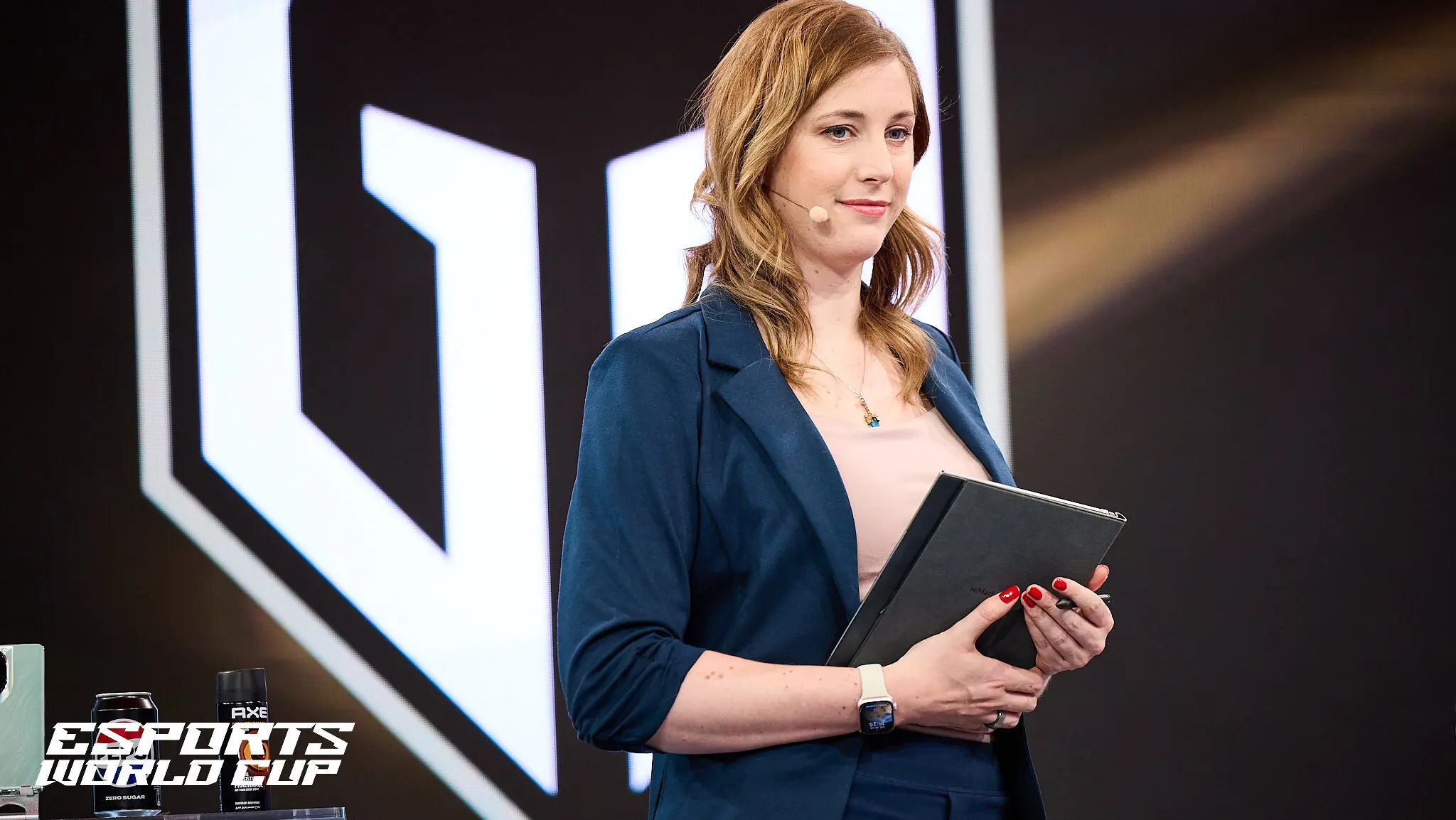
Yorien “Sheever” van der Heijden, host of the English-language broadcast studio, spoke on the Esports Awards YouTube channel’s podcast about the importance of The International and its prize pool.
On the importance of The International
I think The International is, in a sense, a separate entity. Obviously, it’s a Dota 2 tournament, the world championship, and there’s a lot of money on the line, although the prize pool was even bigger a couple of years ago. But because the tournament has existed since the very beginning of Dota—from the first The International to the present day—it seems to have taken on a life of its own. Of course, it’s still a tournament, and the players probably wouldn’t compete if there weren’t a prize pool, but it has come to exist as a phenomenon in its own right. And now it’s universally seen as an event you simply have to attend.
Veteran players felt this way back in the days of the big prize pools, but that feeling has carried over to the new generation, because there are now many players who didn’t experience TI1, TI2, or TI3. The enthusiasm surrounding The International has carried on because if you don’t win TI, you can’t call yourself the best—it’s like an unspoken rule that everyone has agreed to. And it’s sort of an unwritten law that everyone feels deep down—whether they’re watching The International, playing for it, or trying to qualify. So in a way, it’s changed, but at the same time, it’s remained the same. It used to be the biggest esports tournament, and as the prize pool has grown, it’s become even bigger, but it’s still considered the premier event. And regardless of the prize pool, it’s still the tournament you have to win if you want to be considered the best.
On The International’s Prize Pool
I think the money was also used as a major PR tool. That is, as a marketing tool, because you can tell anyone—your grandmother or your parents, though my parents are already pretty interested in esports now, so they’d understand—you can tell anyone on the street: “Hey, there’s a tournament where people play video games against each other, and it’s a really big deal.”
And they’re like, “Oh, that’s cool.” And then you say, “But there’s $40 million on the line.” And they immediately say, “Wait, what is this even about? Am I supposed to send my kids to learn how to play?” That’s why money is a powerful marketing tool—and a very successful one at that. Valve itself was pretty open about it and said it had shifted its focus.
Previously, such a large prize pool was funded through the Battle Pass and crowdfunding, but then they introduced a different Battle Pass format that generated less revenue, so the prize pool got smaller, but more other content was added. And, of course, as with any Valve game, everyone is always waiting for more content. Overall, they explained this, and people knew the prize pool would be smaller. I think it would be nice if it were still somewhere in the range of 5–10 million. I guess 5 million is a good balance. Because after a certain point, it just becomes too much money. You’re looking at a group of millionaires playing a video game, and that’s it.
On plans for the second half of the year
I’m taking a break right now, so I don’t have any plans beyond that yet. As of this recording, I don’t know how it works in League of Legends, but in Dota 2, invitations to The International come later. So I don’t have any plans yet. That’s just the nature of the esports life in Dota 2—it’s a freelancer’s life, where you never know what’s coming next, and you don’t know if you’ll have work in a month or two. And yes, many freelancers have to come to terms with this, and it’s pretty tough. And it’s normal if someone can’t handle it—it’s a lot of pressure. So 2026 is, for me right now, almost—though not completely, but mostly—open.
Earlier, Yorien “Sheever” van der Heijden talked about her role as the lead of an English-language studio, shared her approach to work—which is based on creating a comfortable atmosphere for colleagues and players—and also highlighted her optimistic outlook, calling Jake “SirActionSlacks” Kanner as one of the most energetic and pleasant colleagues to work with.
Photo by Igor Bezborodov, EWC Foundation.