Speeed on Ghost’s departure from GamerLegion: “It was never about his skill level”

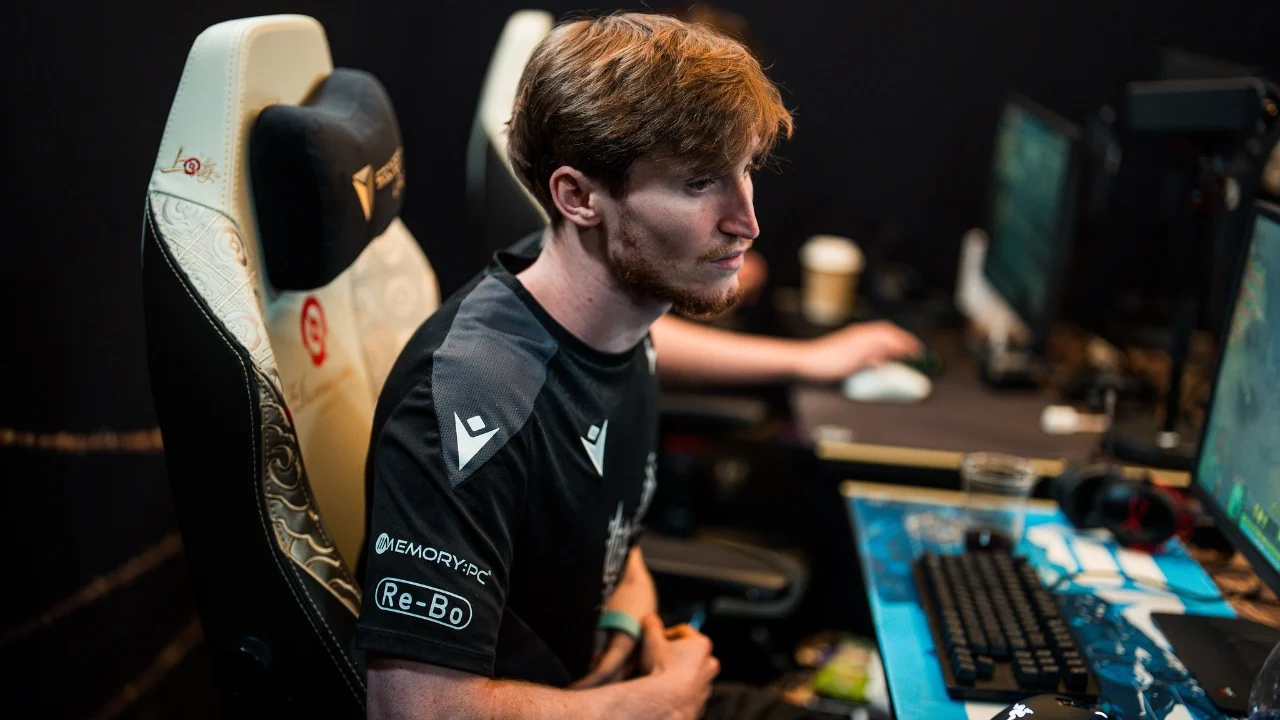
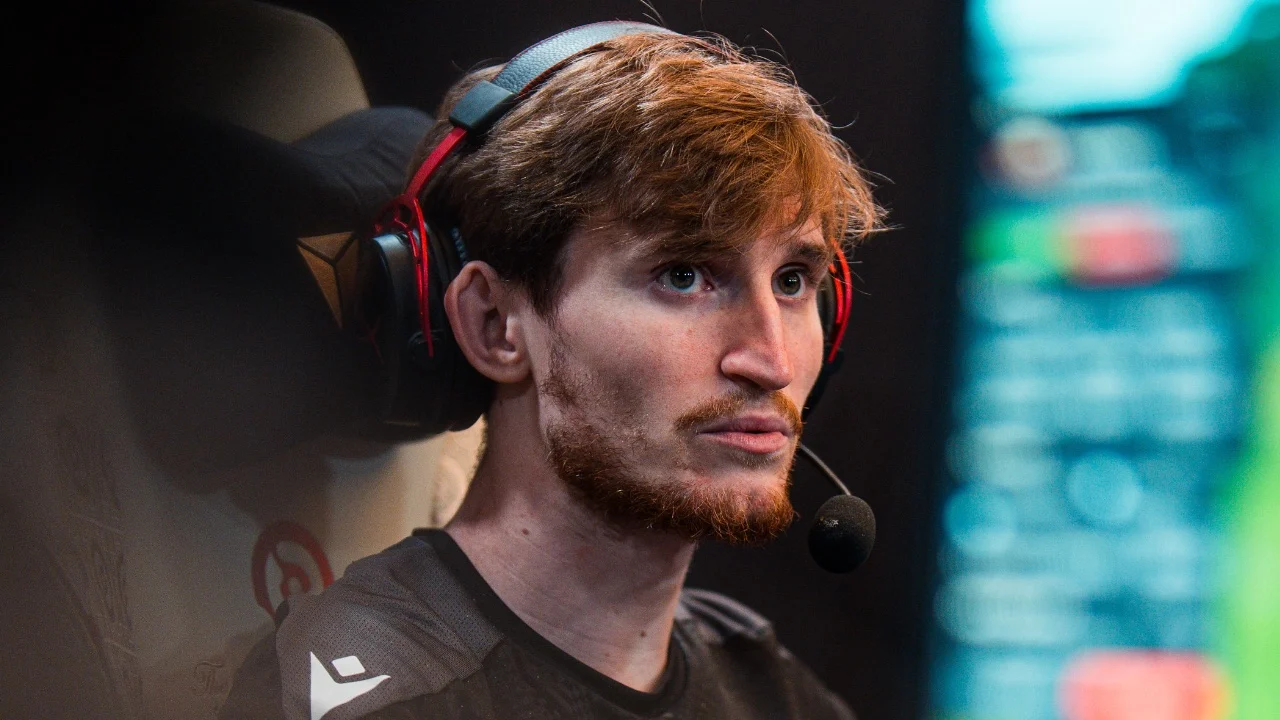
GamerLegion support player Paul “Speeed” Boccicchio explained on the All Chat podcast why the team parted ways with Daniel “Ghost” Chan Kok Hong, how the team learned to discuss losses, what Yuma “Yuma” Langle brought to the team, and what’s missing to make it into the top 4.
On parting ways with Ghost
Basically, I think the main reason was cultural differences. It seems to me that the way Chinese teams behave—if that’s how they do it—is very strict. And I mean really, really strict.
And I think if you’re not used to that and your whole team doesn’t agree with that approach, it’s very hard to work together. I have no idea if this had anything to do with his situation at Nigma, but I think we just had very different ideas about how post-game and in-game discussions should go.
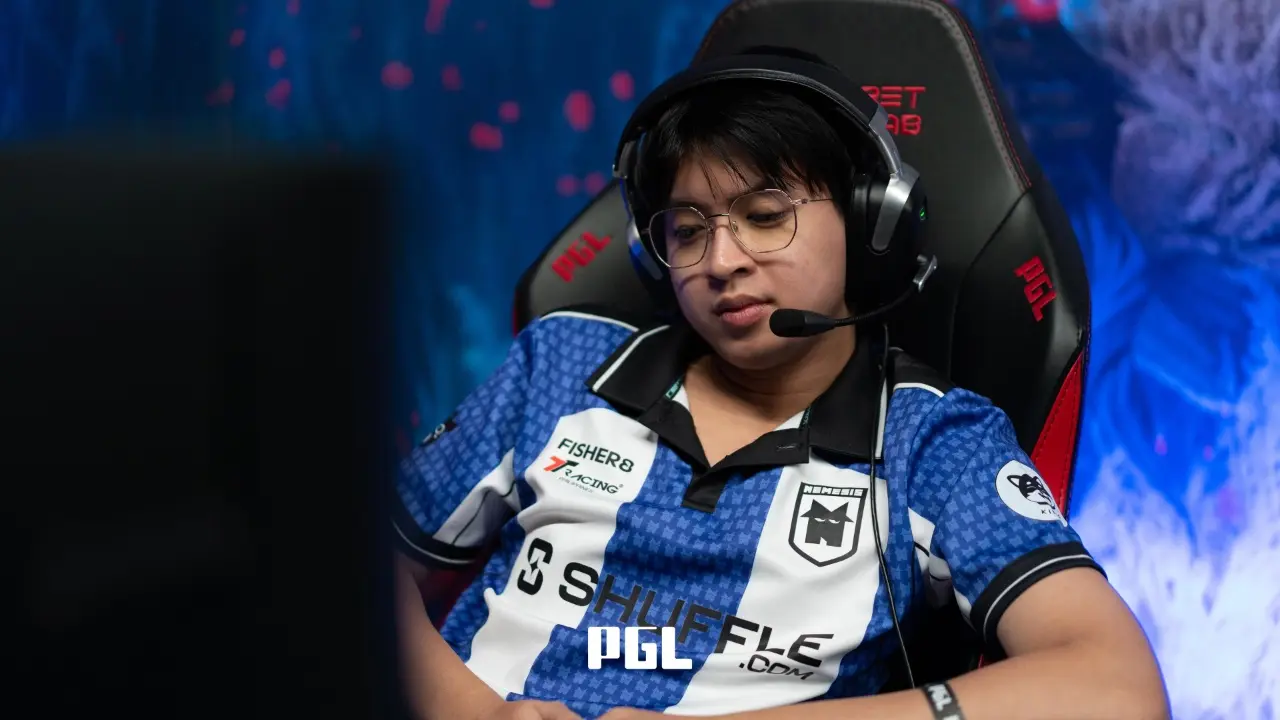
So yeah, it was never about his skill level. I think the two of us dominated our opponents on a huge percentage of our lanes. I think he played great. He had some really good ideas. It’s just… Yeah, I think cultural differences can make it really hard to work well with people who are just different from you.
On teammates, team culture, and post-loss conversations
I love Bignum—don’t get me wrong. Bignum is the best. He helped bring me to the level I’m at now. But at first, I think it was that CIS culture—pretty toxic. And they still do that with Fayde: they just yell; that’s their way of communicating. They stand on the lane together and constantly yell at each other over some stupid nonsense. Oh well, let them do whatever they want. But when it affects the whole team and someone doesn’t like it, then that’s really bad. <…>
Together—me, Bignum, Fayde, and RCY—we’ve worked hard to build a good team culture. And I think that’s one of the main reasons we’re gradually getting better. It’s just a good atmosphere. <…>
Before that, we had a rule: we didn’t talk after losses. And I don’t think that’s a good thing.
But Ghost kept pushing us: “Guys, we need to talk after losses.” And, of course, there’s a good way and a bad way to do it, but he really helped us with that. And I’m very grateful to him for that.
When someone does something wrong, you just say, “Listen, I think that was a bad play. Let’s work on it.” It doesn’t have to sound toxic. You just say, “That was bad. You played poorly there. We need to fix that.” And I think that’s exactly how it should be.
On Yuma’s arrival and what he’s brought to the team
Yuma is an incredibly passionate person. This guy is exceptionally passionate about what he does and very serious. Not in the sense that he can’t joke around—he’s very serious in a good way.
And he provides us with very, very good communication in the mid- and late-game. This guy is great at clearly getting his point across in a way that makes people respect it and listen.
You can tell with some people: they really want to become great Dota players, while with others, you can’t. He’s one of those people who makes me understand why he’s been playing so well for so long. It’s all down to his character. <…>
In terms of the actual gameplay, I wouldn’t say… I don’t want this to sound like a criticism of him, but I’d say that Ghost and Timado are probably very similar. But as a leader, Yuma is truly impressive—that’s for sure.
On what the team is missing to make it into the top 4
I don’t think I know for sure. If I had to guess, I’d say that the most important thing—as strange as it may sound—is probably individual play. Even in the small moments. I think, in terms of concepts, we might even be ahead of some of the top teams.
But Dota is a game of small decisions. For example, we played a practice match against PARIVISION, and I was playing Dazzle. I decided not to interrupt Nothl Projection and not to return to my body because I thought, “I’ll have time to land one more Poison Touch.” So I didn’t return, and then I died from PL. My team still engaged in the fight anyway; we died, and they took Roshan.
I don’t mean to say that the whole game of Dota works like this: “Oh, you didn’t cancel Nothl Projection—so you deserve to lose the whole game.” But things like that add up. That’s probably why my team makes a lot of similar decisions in every game. It’s just that our individual intuition isn’t yet at the level it needs to be.
Other than that—I don’t know. I think, in terms of culture and understanding the game, we’re probably very good. So yeah, I don’t know. If I knew, we’d probably already be there.
Also, on the Speeed podcast, Aiden “Insania” Sarkoy and Quinn “Quinn” Callahan discussed how important it is to last-hit minions on the lane. “If you want to improve your rating, you can just learn to last-hit creeps well,” noted Boccicchio.
Photo: Valve.