SVG on the Divine Rapier nerf in Dota 2: “My God, who even cares about this nonsense?”

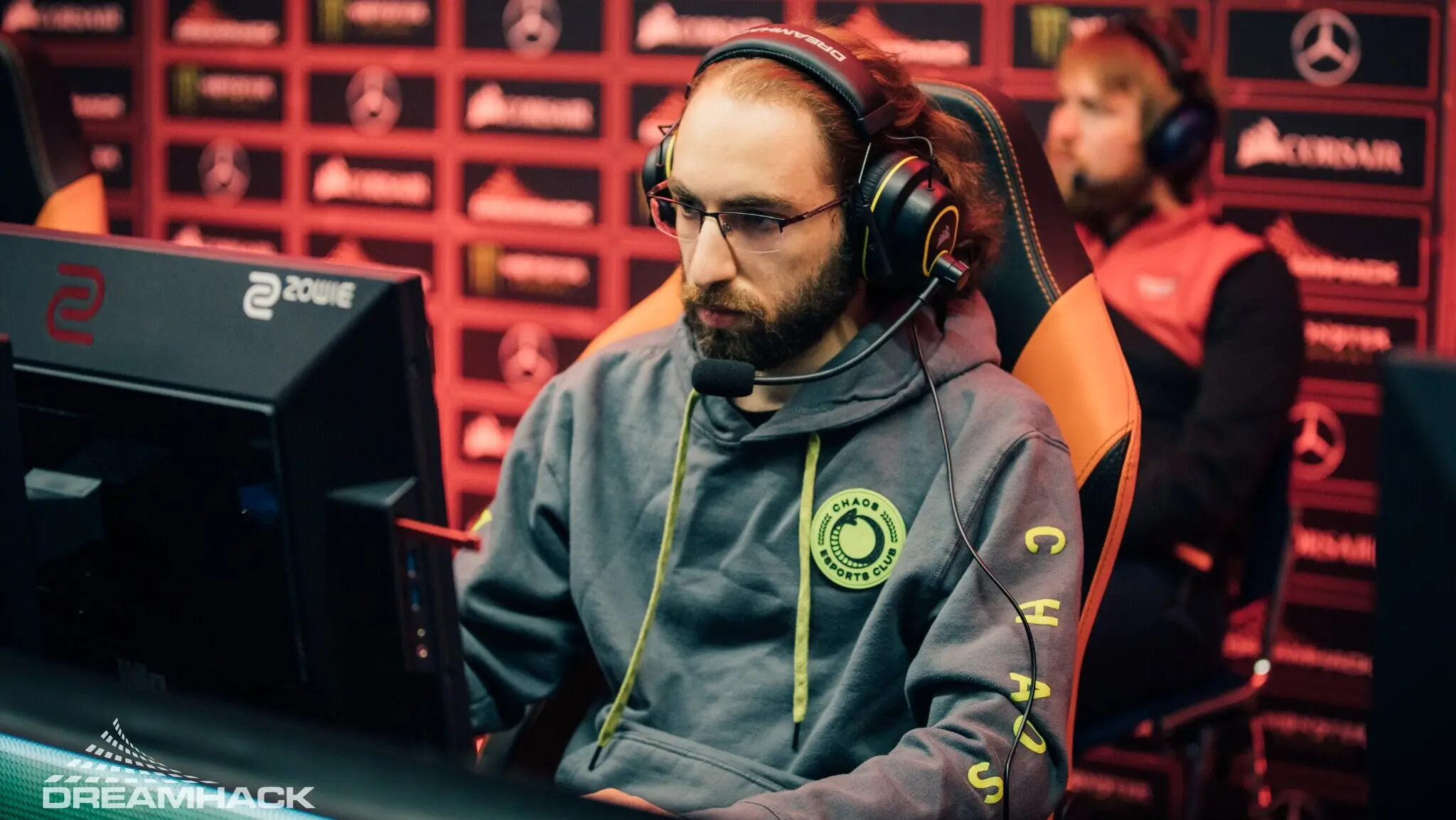
Commentators Avery “SVG” Silverman and Austin “Cap” Walsh spoke on the Not For Broadcast podcast about the Divine Rapier nerf and discussed The International 2026.
On the Divine Rapier nerf
SVG: Oh my God, who even cares about this nonsense? I refuse to believe this was really such a big deal. There’s no way that’s true. I think this is one of those cases where everyone saw it once and decided it happens all the time, even though in reality it probably happens in 0.00001% of games.
Cap: I totally disagree with that. People see something like this and think, “Wow, that looks really fun. I’ll try doing the same thing.” Then they go play on Zeus. They might not make it to Divine Rapier or the 80-minute mark, where you can stack up a massive cooldown reduction, but that doesn’t stop them from trying to replicate it.
SVG: You know what I’d be interested to find out? What the actual impact of this strategy is on the win rate. Because, I’m willing to bet, it’s not that bad. Basically, what I’m saying is that in a game where you have Zeus in the fourth position—who’s calmly farming and constantly reducing cooldowns—rather than some random Lion in the “four,” your chances of winning are probably even higher. It seems to me that with a support like that, the probability of winning a public match is higher.
That’s why people complain about it, but if we actually looked at the stats, we’d most likely find that this strategy is actually beneficial. That’s because most low-rated support players simply don’t farm enough, whereas here you’re guaranteed to get a support hero with a good amount of gold. And more often than not, that’s exactly how you win in Dota 2—you just need to earn more resources.
About BSJ
SVG: I’d like to give a special shout-out to Brian. I was just talking to him at the Esports World Cup. It seems to me that many people are biased against him, but I sincerely believe that if people would just sit down and listen carefully to his thoughts, paying attention to how clearly, concisely, and confidently he articulates them, they’d be truly impressed by how much he’s grown over the last three or four years. In my opinion, he’s an S-tier analyst. I just wanted to say that. I told him this myself. I said, “Keep up the good work.” I think he’s really honed his skills to a very high level. I know that many people will still criticize him just because he’s BSJ. But maybe it’s worth setting aside your preconceived notions.
Cap: He’s incredibly persistent in his drive to constantly improve. And, in my opinion, that’s evident in many areas of his life, including his work.
On Talents at The International 2026
Cap: Speaking for myself, I’m most interested in SabeRLight-. He’s an active pro player who has more personality and charisma than, perhaps, half the entire scene combined. It’ll be interesting to see if he turns out to be a truly good talent. It’s clear that he’s a very colorful personality on the scene and an excellent streamer. But the question is how well he’ll be able to translate those qualities into the role of an analyst or host, since that requires a slightly different set of skills.
SVG: I agree. To be honest, I’m not even sure this role is a perfect fit for him. It’ll be interesting to see what image he chooses: how serious he’ll want to be, or, conversely, how much he’ll lean into humor. It’s also important to see who he’ll have good chemistry with. I don’t think he’s the kind of person it’s easy to work with on an analytical panel. We need to figure out who’s a good fit for him. He could really shine, but it’s also easy to imagine panel lineups where things would look pretty awkward. And that’s not his fault—it just happens that way sometimes. That’s why, I suppose, he’s the most interesting newcomer to me.
That said, to be honest, it’s always seemed a little strange to me that you can try to qualify for The International, fail to make the cut, and then still get invited as a talent. I’ve always found that a bit questionable—even back when I was a player myself. Inviting a TI participant who’s already been eliminated from the tournament to a guest analyst panel is fine. But when someone has competed as a player all year, failed to qualify for TI, and then takes the spot of someone who has worked as a talent all year and developed that specific profession—it doesn’t seem entirely respectful to me. This person chose the career of a player. He played the entire season, didn’t qualify for TI—which means he’s not going to TI. That’s the nature of the pros and cons of being a professional player. It’s part of the rules of the game, and there’s nothing to complain about here. <...>
Cap: I’d add one more point. I think Valve would say, “We just hire the best people, and we don’t care who they are.” But there’s another issue as well. It seems to me that some tournament organizers don’t even put together their commentary panels as a cohesive team. They don’t ask themselves, “Who do we absolutely need to bring on? Who will work best with this host and these analysts?” But that’s important. At some past editions of The International, it felt like they were just inviting famous people and randomly throwing them together in one studio. As a result, it didn’t look great because there was no chemistry between them.
Earlier, commentators Avery “SVG” Silverman and Austin “Cap” Walsh assessed the changes to Dota 2’s ranking system following the “Summer Cleanup” update, discussed the game’s interface, and highlighted the most significant changes in Patch 7.41e ahead of The International 2026.
Photo by Adela Sznajder, DreamLeague.