The organizers of the Esports World Cup 2026 have published a list of rules for community casters

Use the “Up” and “Down” arrow keys to resize the metadata window panel.
The organizers of the 2026 Esports World Cup have published the rules governing broadcasts for community streamers. Violating these rules may result in the broadcast being blocked and a copyright infringement complaint being filed against the channel.
Here is a summary of the key requirements for independent streamers and content creators:
- Accreditation: Streaming is permitted only after your application has been approved. Sharing access to the broadcast feed with third parties is prohibited.
- Delay: The broadcast must be conducted via the official feed with a preset 5-minute delay. No additional delay is required on the stream.
- Title Format: The stream title must follow this template: “Esports World Cup 2026 / Discipline — Team A vs. Team B.”
- Integrations: Streamers on Twitch and YouTube are required to display approved promotional materials—overlays, banners, descriptions, and chatbot commands—every 10 minutes.
- Prohibition of third-party advertising: Any unauthorized sponsorship integrations—including videos, banners, links, logos, and verbal mentions—are prohibited.
- Home-based format: It is prohibited to use professional studios, hire staff from commercial studios, use complex graphics, or have more than one person in the frame.
- Conduct and Moderation: The caster is required to moderate the chat, maintain a positive image of the tournament, and clarify that their personal opinions do not reflect the organizers’ position.
- Right to Make Changes: The organizers reserve the right to amend these rules and regulations at any time.
These rules apply throughout the entire broadcast, including pauses and breaks. You can apply for broadcasting rights via this link.
The 2026 Dota 2 Esports World Cup will take place from July 7 to 19 in Paris. Team Spirit received an invite as the winner of the previous tournament; 12 other teams qualified based on their ESL Pro Tour rankings; and the remaining 11 teams qualified through regional qualifiers.
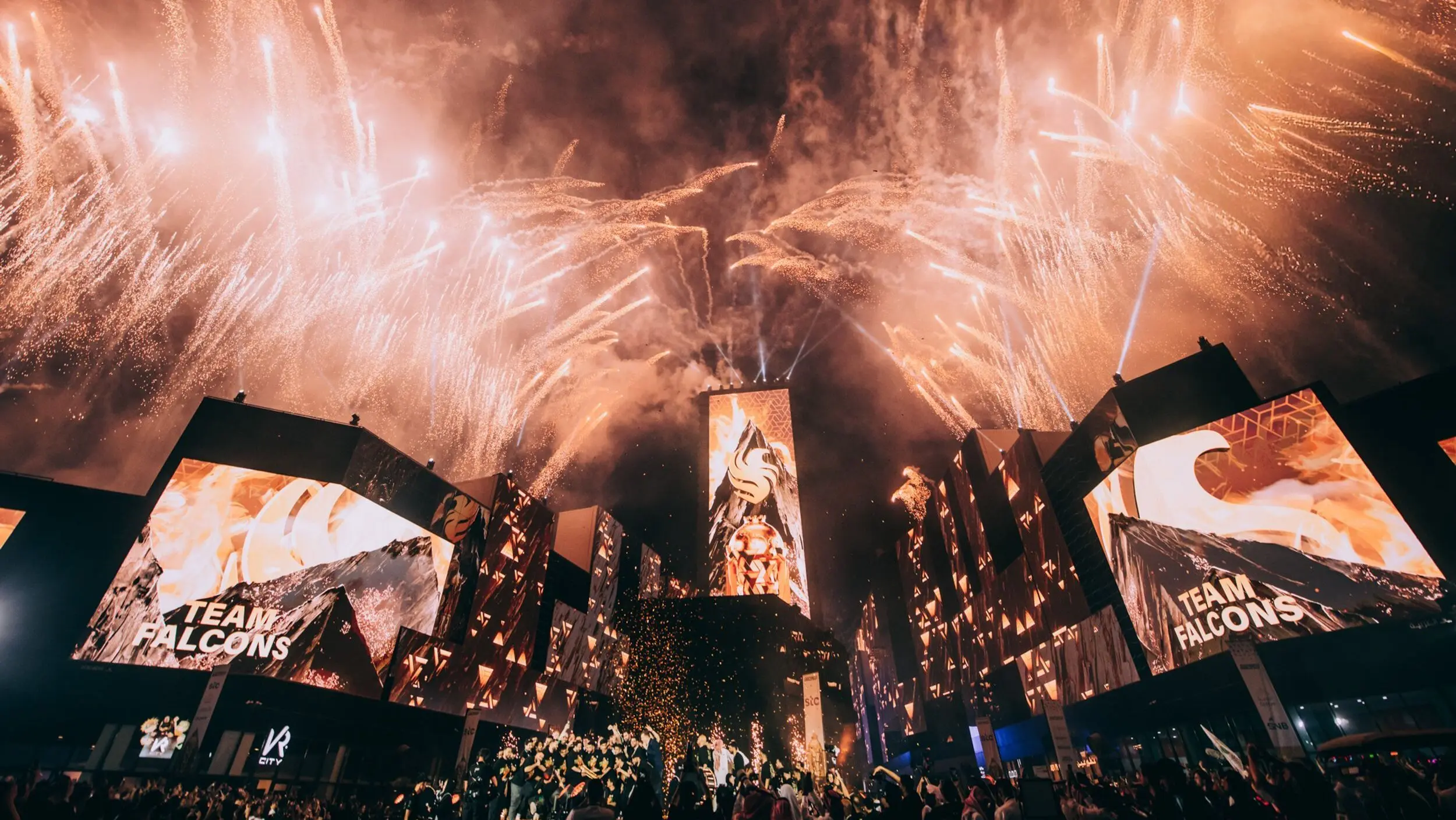
Photo: EWC Foundation.