BanKs: “I’m not opposed to BC.Game moving to the Asian VRS, as long as signing with asap was a serious decision.”
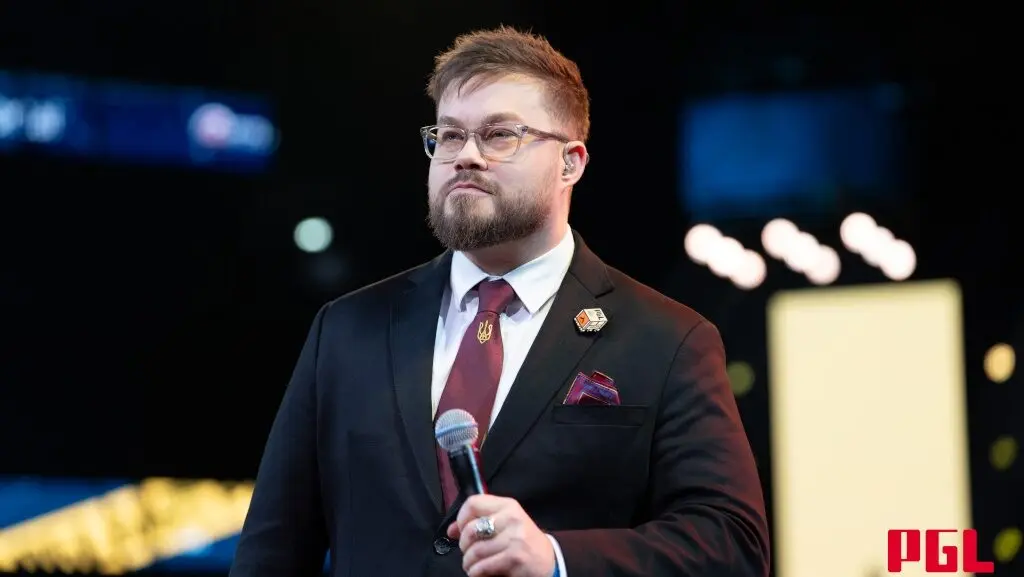
Host James “BanKs” Banks shared his thoughts on the replacement of Denis “electroNic” Sharipov with Tyson “asap” Patterson at BC.Game Esports and the team’s move to the Asian VRS, and also highlighted the issue of changing regions under Valve’s current system.
On the roster changes at BC.Game Esports
BC.Game recently benched electroNic and signed asap. s1mple said he found out about the changes just 10 hours before the official announcement. If this is true, it means he doesn’t control all processes within the team, and important decisions are made by coach TaZ together with the club’s management. I believe BC.Game is obligated to participate in the Major, given the funds invested in its roster. The craziest thing about this substitution is that the team held a 12-day boot camp with electroNic and then benched him. The organization likely realized that that roster had no chance of qualifying for the PGL Singapore Major 2026.
On the team’s move to the Asian VRS
BC.Game has become an Asian team—I have mixed feelings about this. Of course, the roster originally included Senzu and mzinho, two Mongolian players… When Liquid switched to the North American region, we said that was a bad move, since they had been competing in Europe. To be honest, I’m not opposed to BC.Game moving to the Asian VRS, as long as signing asap was a serious decision with an eye toward the future. Nevertheless, I still don’t like that the current system makes it so easy to change regions.
On the issue of switching regions
As I understand it, Valve wants Counter-Strike to become a global and successful project. However, such switches harm the pro scene—in Asia, already a weak region, there will be even fewer teams actually participating in local VRS tournaments. This means that TYLOO, The MongolZ, FlyQuest, and others will have to attend all European events to earn enough points to qualify for the Major. I think Valve needs to implement stricter rules regarding region changes.
Earlier, VRS analyst Finn “Mischief” Farrar published an updated forecast for the race to qualify for the PGL Singapore Major 2026—after changing regions, BC.Game Esports’ chances of receiving an invite have risen to 85.7%.
Photo by Sebastian Pandelache, PGL.