Insania on Team Spirit: “Their chances of winning TI are pretty slim right now”

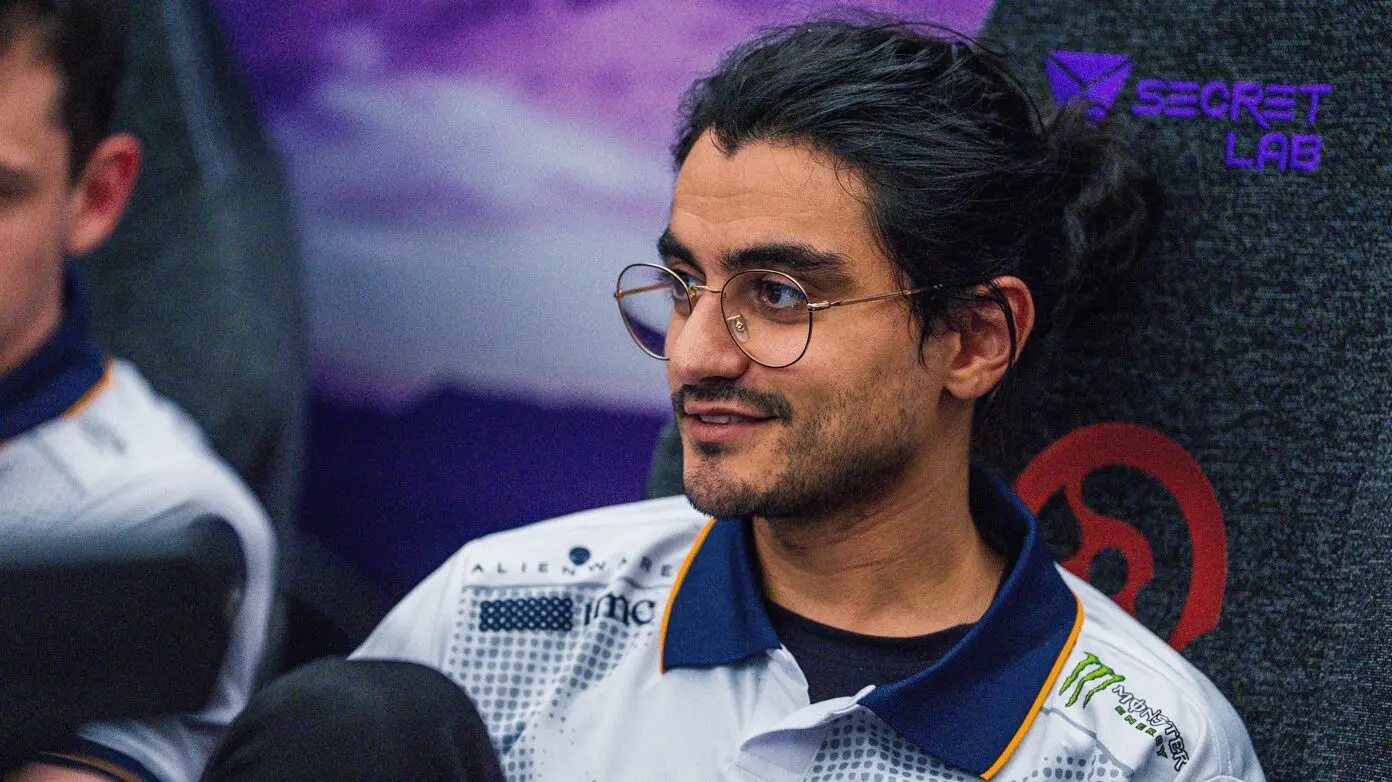
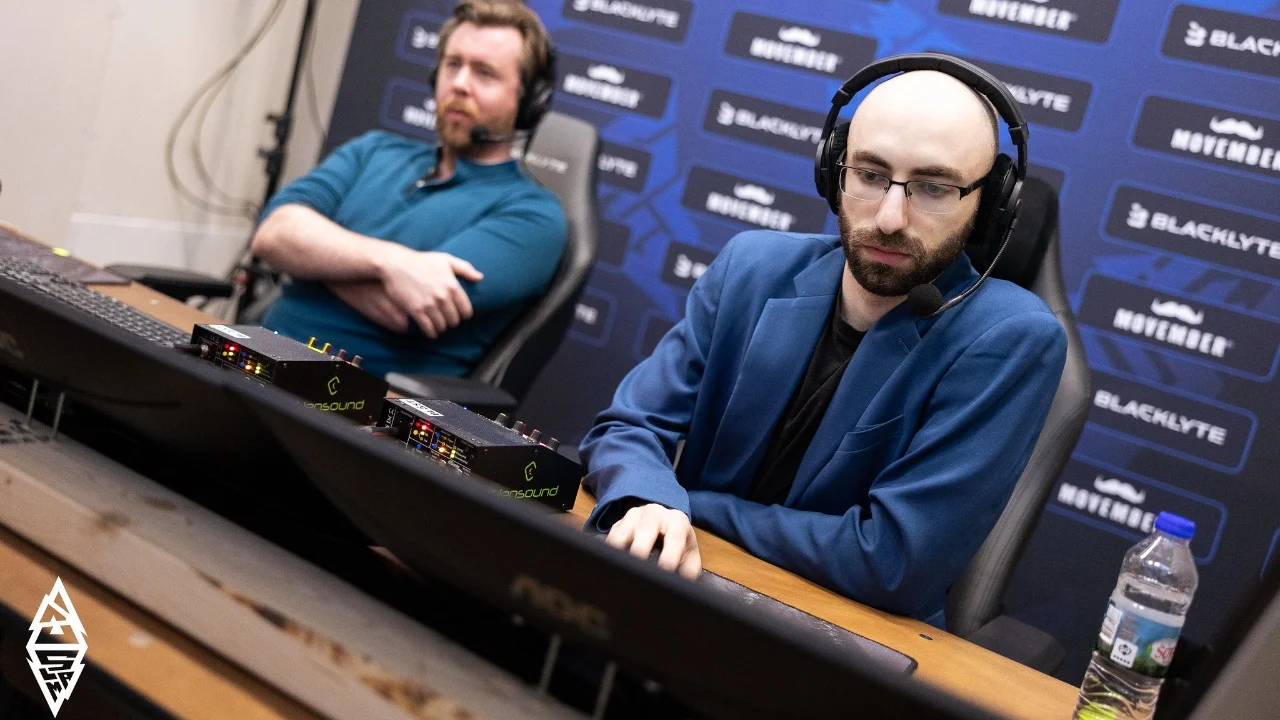
Aydin “Insania” Sarkohi, Austin “Cap” Walsh, and Quinn “Quinn” Callahan discussed the emerging meta around the patch and Team Spirit’s level of play on the ALL CHAT podcast.
On the meta forming around the patch
Insania: It’s not that simple. The problem is that Dota doesn’t work like that anymore. Back in the day, during the golden age, I would have said: ‘Yeah, this is a hard-carry patch, only Team Spirit is good,’ but now it all depends on how the team moves across the map together and how well the players’ playstyles align with that pattern. Honestly, a lot depends not even on the carries, but on the supports. People rarely talk about this, but supports also have huge stylistic differences. For example, back when Gaimin Gladiators dominated, laning was incredibly important—you literally won matches in the laning phase.
And I’d say that players like tOfu or Save- are among the best laners out there. But if you make laning just a little less important—say, by 5%—everything changes immediately: map movement becomes more important, and then the value of players like 9Class or Boxi skyrockets. They start to look much stronger, and this affects the role of the “five,” the carry, and the team’s overall style. Ultimately, these small changes collectively shape the feeling of whether a patch suits the team or not. We used to simplify it to: “Yeah, 33 doesn’t have good heroes, auras, or controllable units—it’s a bad patch.” But in reality, it’s more complicated: it depends on how easily the carry can get involved in the game early on, how important the offlaners’ timing is, how quickly the team can take towers, and so on. For example, if everything hinges on early pressure through the offlane and early T-1s—that might be perfect for one team and terrible for another. So it’s hard to explain exactly, but it’s easy to see when a patch feels natural for a team and when it doesn’t. And when I look at Tundra Esports, even from the little I’ve seen, I get the feeling that the current patch doesn’t feel natural for them at all.
Quinn: Plus, they seem to have been hit the hardest by the map changes—when the neutral camps on the edge of the map were moved and nerfed. After all, she literally plays off of farming at the edge of the map, especially 33, who constantly stands there and farms those camps. There’s less gold there now, and that disrupts her usual playstyle, throws off her timing, and even affects her decisions in team fights. And all of this ultimately takes time for the team to retrain their muscle memory to adapt to the new conditions.
About Team Spirit
Insania: I just feel—I don’t know if you’ll agree, but it seems to me that Yatoro and Collapse haven’t won a 1v9 in a long time—that’s the impression I get. I don’t feel like I’m watching two players who are so much stronger than the rest that they can carry the game and win it single-handedly after the 20-minute mark, like they used to.
Cap: Do you think they’ve lost their magic? Or has Team Spirit as a whole lost its momentum? Or have other teams just gotten used to playing against Team Spirit?
Quinn: The impact of Miposhka’s departure.
Insania: I think that’s partly true. There’s a very distinct playstyle that they stuck to for a long time, and it worked well thanks to Miposhka. And, it seems to me, without Miposhka, they can’t fully recreate that same system. But it looks like they’re trying to find something new, and maybe they’ve already hit rock bottom—and now they’re ready to rebuild into something different. Because their players are still strong; they have the mechanical skill. But right now, it’s as if she’s playing a match with two “fours” instead of a “five” and a “six” like before. Because of this, I think her chances of winning TI right now are pretty low. Winning the tournament is also unlikely, but they can still put in a good performance. To me, they and Team Liquid are roughly on the same level right now. These are veteran teams with potential that could break out, but they haven’t shown that in a long time.
On Malr1ne
Quinn: To be honest, he’s one of those players who’s a one-of-a-kind. You can’t replicate him—he has too much experience specifically in that playstyle. To play like him, you have to hone that approach for a very long time. He’s incredibly effective, yet he seems like a master at playing in situations where he’s being pressured. And even then, he’s still very effective. There’s a style where players don’t even try to win the lane—they just run around the map and make ganks—but that’s not him. He doesn’t try to win the lane, but mechanically he’s very strong in the lane. He just doesn’t try to win the lane—he tries to play for a draw, but he does it very well. And on top of that, he’s super efficient at farming, meaning he’s not poor—he’s always very rich. And it’s precisely this combination of qualities that’s very rare: being as efficient as possible while not playing to win the lane. It’s very strange and hard to replicate.
Insane: And he’s also a very talkative player. When you play with him in pubs, he talks a lot, and usually, when you remove people like that from the team, it drastically changes the feel of the game within the roster. Because you lose a player who constantly makes calls in certain situations, and the team starts to feel completely different.
Earlier, Aydin “Insania” Sarkohi, Austin “Cap” Walsh, and Quinn “Quinn” Callahan discussed Virtus.pro’s form, noting the team’s inconsistent play and the dependence of results on individual players, as well as evaluating the skill levels of watson and Malady.
Photo — Valve.