NiKo on working with a personal psychologist: I didn’t do this because of comments online, but for my own sake

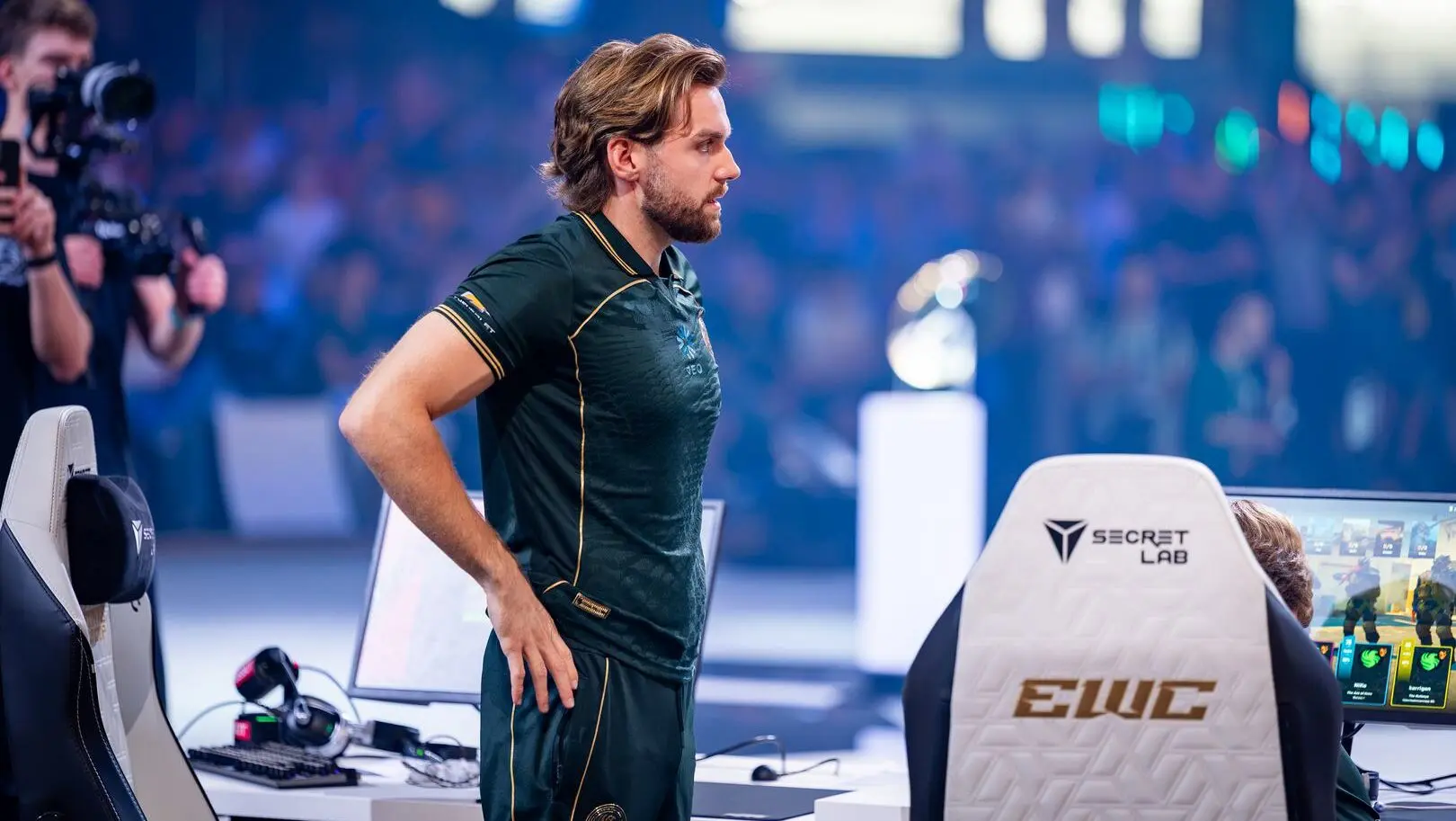
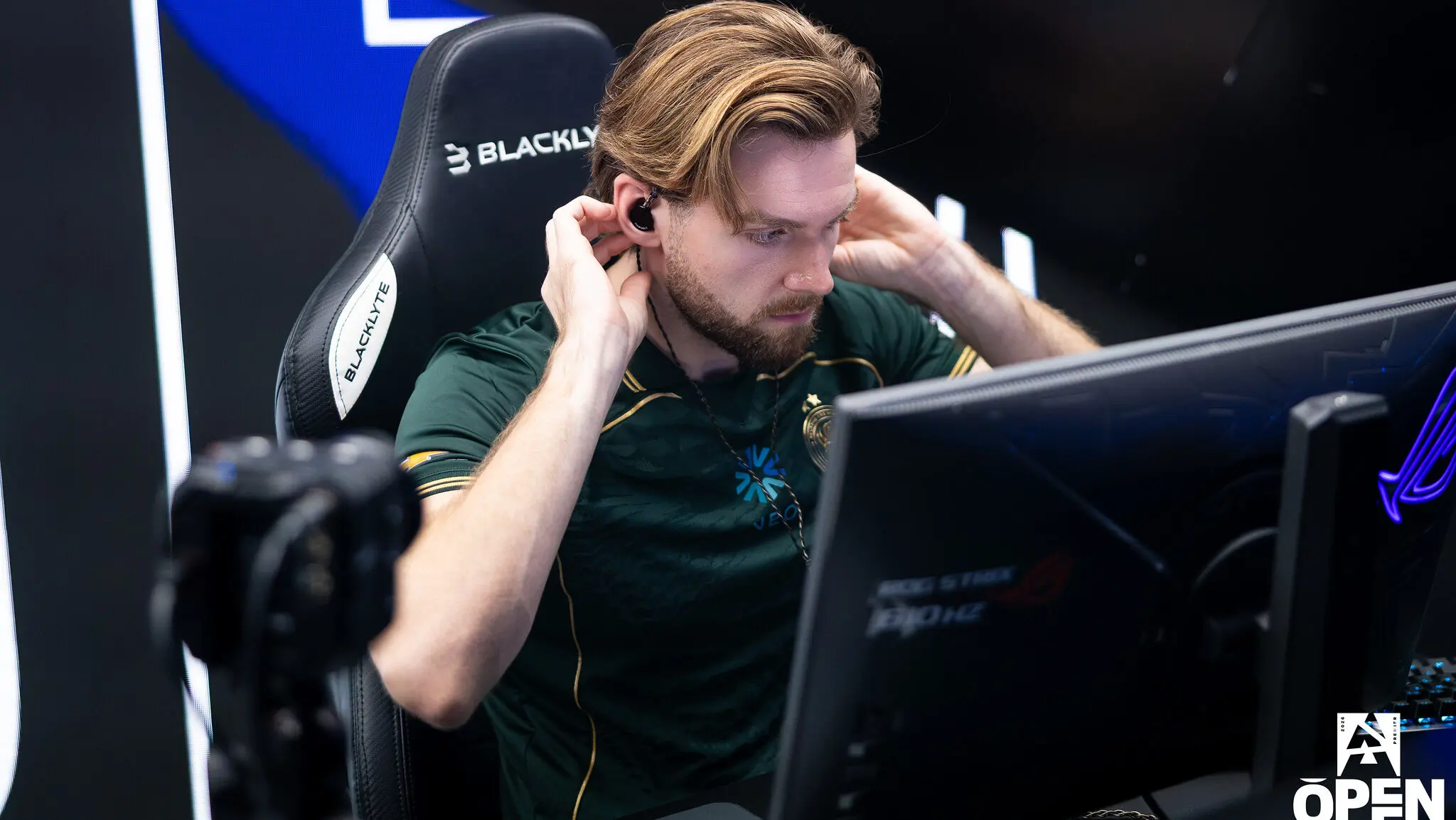
Team Falcons CS2 rifler Nikola “NiKo” Kovač, in an interview on the YouTubechannel TV Arena Esport, discussed the club’s support in preparing players for their victorious Major in Cologne, shared his experience working with a personal psychologist, and highlighted the specialist’s significant contribution to improving the consistency of his individual gameplay.
On preparation for the Major and starting to work with a personal psychologist
I think a lot of factors played a role here. The organization itself made it clear to us that we shouldn’t feel any pressure regarding this Major, since they had just invited karrigan. Management wanted to relieve us of that burden of responsibility and emphasized that winning the title at this championship wasn’t a mandatory requirement. They simply gave us more time to play and adapt, which definitely helped us stay calm.
Personally, I made a lot of changes leading up to this Major. For the first time in my entire career, I hired a personal mental coach—or a performance specialist, call it what you will. Before, I had only ever worked with psychologists who were responsible for the entire team. But now, working with Lars—who previously served as the mental coach for Team Falcons before leaving—I’ve finally realized just how much such a specialist can bring out in an individual player when he’s dedicated exclusively to that one player.
When a psychologist is responsible for the entire team, they focus more on the overall atmosphere within the group, on dynamics, relationships, communication between teammates, and other general matters. But here, for the first time, I had someone focused solely on me. I could tell him about any of my anxieties, about what I thought was right or wrong—it didn’t matter. I literally shared every thought with him, and he helped me figure out exactly what I needed to focus on before every match. We always had clear focal points that were crucial for me, which allowed me to give 100 percent in every match. This helped me immensely, and I continued working with Lars. I’d say that was the most significant change leading up to the tournament, and it ultimately paid off completely.
On how the NiKo of the past would have reacted to the decisions of today’s NiKo
Most likely, I simply wouldn’t have understood it. Back then, I was young and reckless, and in the esports scene itself, no one wanted to acknowledge the importance of such specialists for players. Everyone thought we were just playing video games and didn’t need any psychological preparation. I myself was in that phase of denial for a long time.
However, when I started working with team psychologists for the first time, it became clear that there really is a deeper meaning to it all. These mentors won’t completely change your life, but they can give you that extra few percent edge when it counts. And that small edge may well be enough to radically influence the course of an entire career—as ultimately happened to me. If someone had told me eight years ago that Lars would play a huge part in my success on the professional stage, I would never have believed it.
On the turning point in my career and the details of working with a specialist
Of course, it was a conscious decision. I didn’t come to this decision because of comments online, but for my own sake, when I began to realize that in certain important matches, I couldn’t perform at my usual level. The turning point came after the tournament in Shanghai, where we lost to Legacy in the final. Although that tournament was by no means the most significant one in my career, that loss—accompanied by a frustrating backstab on the Ancient map—became one of the most painful for me. After that, I became fully convinced that there was some kind of systemic problem with my gameplay.
Before that, I’d always tried to find purely in-game reasons for my failures—blaming everything on tactical mistakes, a poor approach to the match, excessive aggression, or passivity on the server. However, after the incident in China, I decided to radically change my approach and reached out to Lars. We started focusing on the right things and figuring out exactly what was required of me to be at my best on any given match day. We worked through every detail: from the level of communication and conversations during rounds to my emotional state. Lars taught me to stay true to myself—if I feel like pounding my fist on the table out of frustration, I should do it, but then immediately reset and continue the match. We’ve put in a tremendous amount of work, and I’m incredibly happy with our collaboration.
Earlier, analyst Jakob “Pimp” Vinneche shared his thoughts on potential roster changes for Team Falcons in Counter-Strike 2. In his statement, the expert assessed a possible shift in in-game roles within the team, discussed the future of captain Finn “karrigan” Andersen, and commented on the prospects of Nikola “NiKo” Kovač as the team’s new in-game leader.
Photo: Esports Foundation.