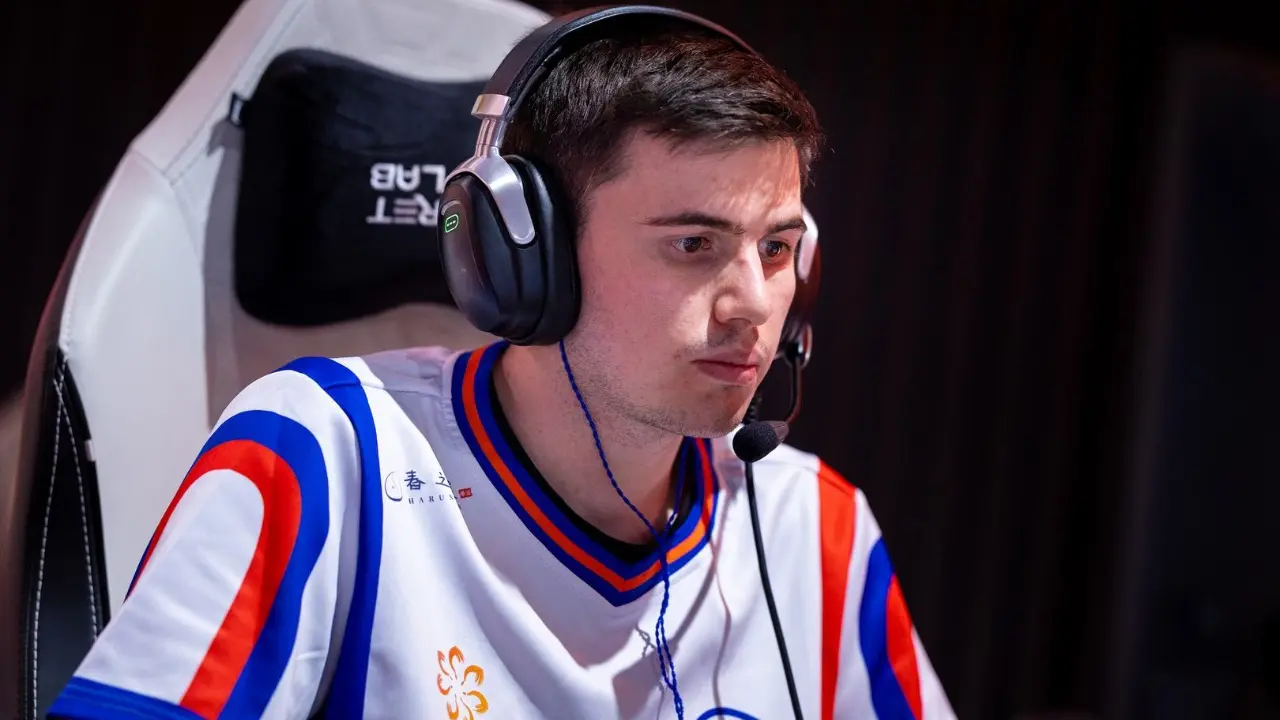
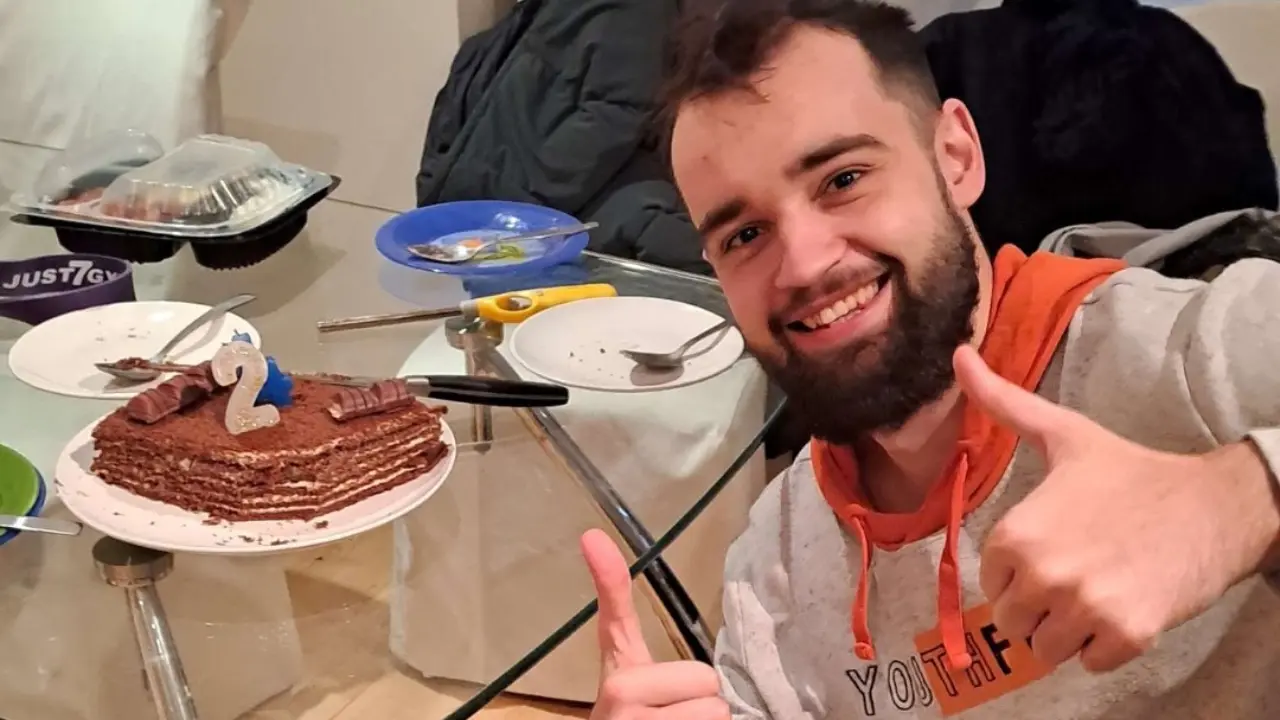
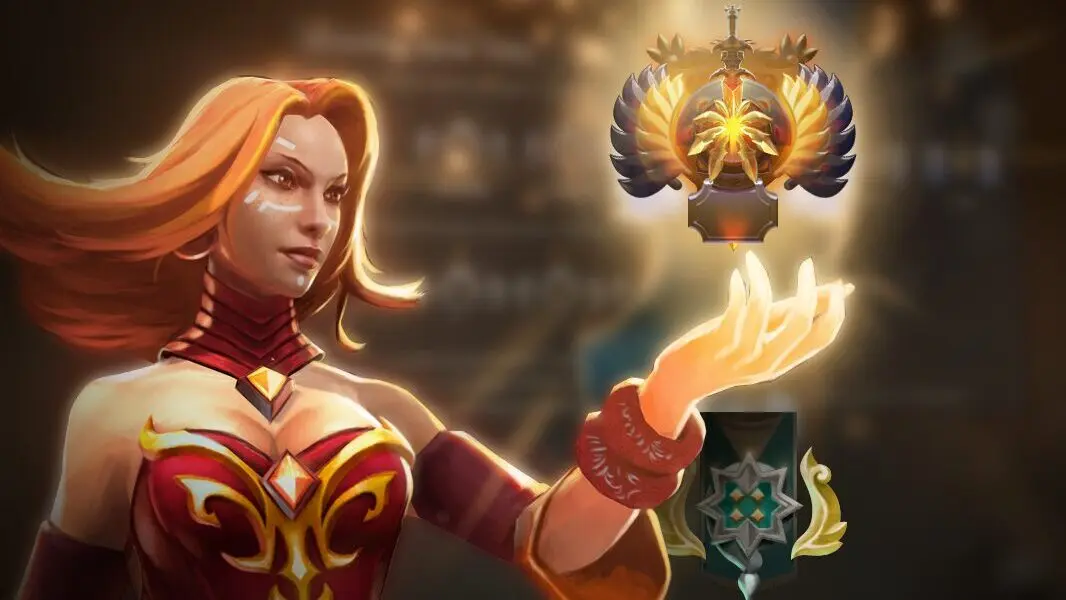
kaffs on TaiLung: “He’s truly a once-in-a-generation talent, and I don’t think there will be any issues with him.”

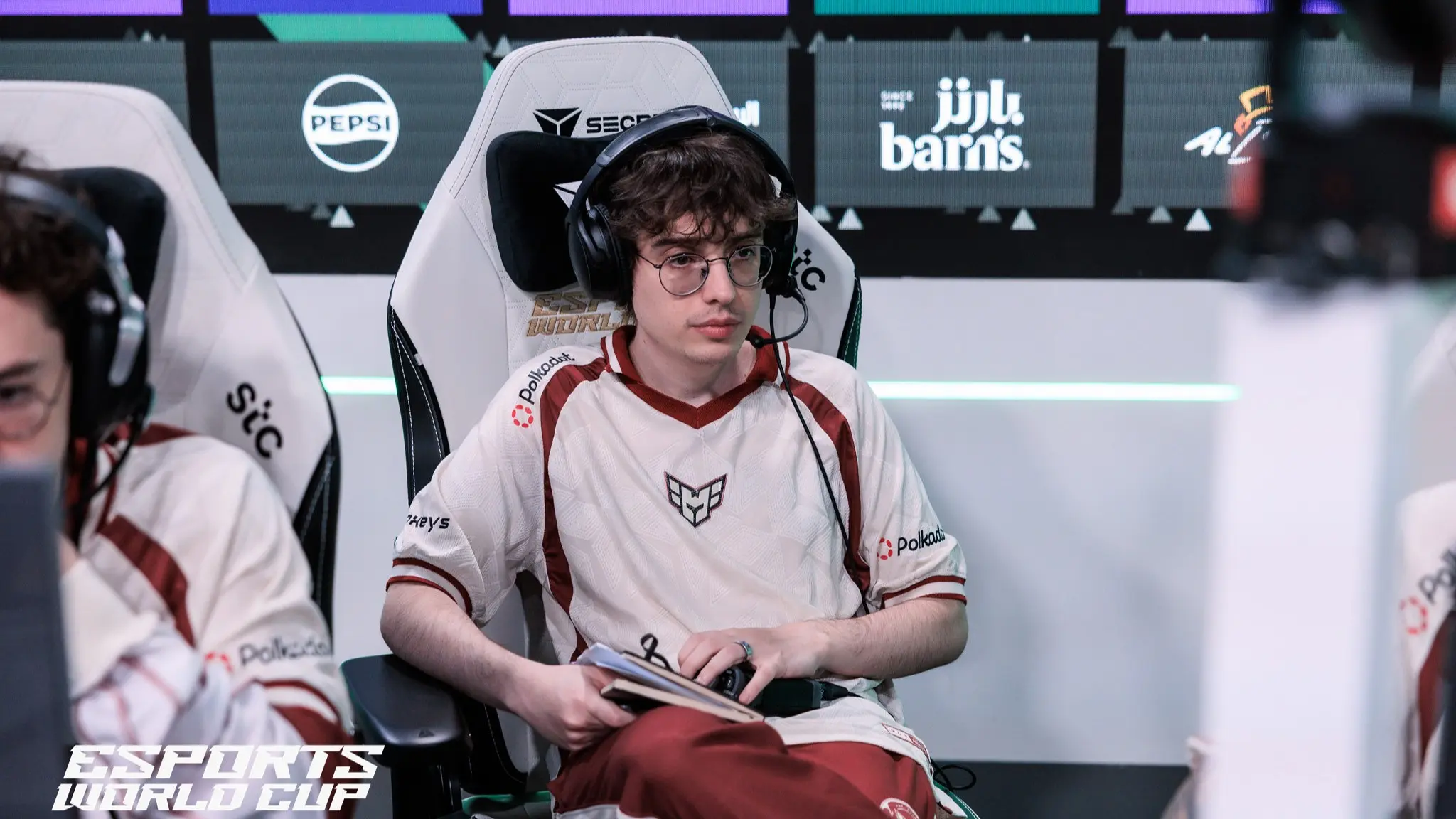
LGD Gaming coach Igor “kaffs” Furtado spoke on the Win Condition DOTA podcast about meeting Team Liquid CS2 player Jonathan “EliGE” Yablonowski in an elevator during bootcamp, the reasons behind the inconsistency of South American teams, the progress of Santiago Gustavo “TaiLung” Olivos Agüero, and his expectations for the LGD Gaming squad at the 2026 Esports World Cup.
On meeting EliGE in the elevator
We had a bootcamp at Team Liquid’s facility in the Netherlands, and their Counter-Strike 2 team was there as well. One day, I ran into EliGE in the elevator, introduced myself, told him I was a big fan, that we were preparing for tournaments there, and that I was from Dota 2. And he says, “Yeah, I know—you’re a South American team playing for a Chinese organization, right? That’s crazy.” It seems like this gets everyone who hears about it a little excited—no matter who they are.
On South America’s Rise and the Problem of Consistency
South America’s problem has always been consistency: we’ve had some spectacular peaks, but we haven’t been able to maintain the same level all year long. In part, it’s just our nature—we’re not that disciplined. We work hard, but we lack consistency, and it’s hard to maintain our level. The second issue, which I’ve been talking about for a long time, is the long flights between South America and Europe, the need to return to play qualifiers, and so on. All of this is very exhausting. Together, these two factors created a tough combination. Look at TI 2022: Thunder Awaken made the top 6, and EG signed them—thinking, “Wow, these guys are good.” They started the season strong, but somewhere in the middle, everything just fell apart, because it’s hard to maintain the same level of play, put in the same energy, and travel so much. So it’ll always be tough—we’re just approaching it a little smarter now.
About TaiLung
I don’t think it’s necessary to mentally prepare him specifically for EWC and TI. At his very first LAN, he felt the pressure, but not because of the stage—it was because of the heroes he was playing: there were two games with Enigma in the mid lane and one with Void Spirit. He told me himself: if I’m playing my own heroes—no problem, it doesn’t bother me at all; I was only nervous because I was playing these ones. With Enigma, there was a lot of pressure on him, and he felt uncomfortable with Void Spirit—but we simply didn’t have another pick, so we argued for a few minutes and ended up taking Void Spirit anyway. And we won that game. He’s very calm, and in every single aspect of his gameplay, he surprises me in a good way. He’s truly a once-in-a-generation talent, and I don’t think there will be any problems with him. By the way, he’s currently playing in the qualifiers for the 2026 Esports Nations Cup—with a different team.
On Group D at the 2026 Esports World Cup
I think we ended up in the toughest group—the only one where three teams are very strong on paper right off the bat. Plus, there’s OG and Virtus.pro—they’re good teams, too. But for this tournament, that’s actually a good thing, because the format is very punishing: after the group stage, all matches are single-elimination, no matter where you end up. If you’re in the strongest group, you get the best practice because you’re playing against the best, and in the playoffs you face weaker teams from the other groups. We can finish first in our group—we believe we can—but, realistically speaking, it’s not guaranteed. It’s going to be very close. In my opinion, almost any team could win the group.
Read also: kaffs on LGD’s Chinese fans: “I hope I can win over the hearts of those who are still skeptical.”
Earlier, LGD Gaming coach Igor “kaffs” Furtado spoke on the Win Condition DOTA podcast about communication within the team, working with the organization, qualifiers for the 2026 Esports World Cup and The International 2026, as well as the start of the tournament season.
Photo by Sarah Bolt, Esports Foundation.