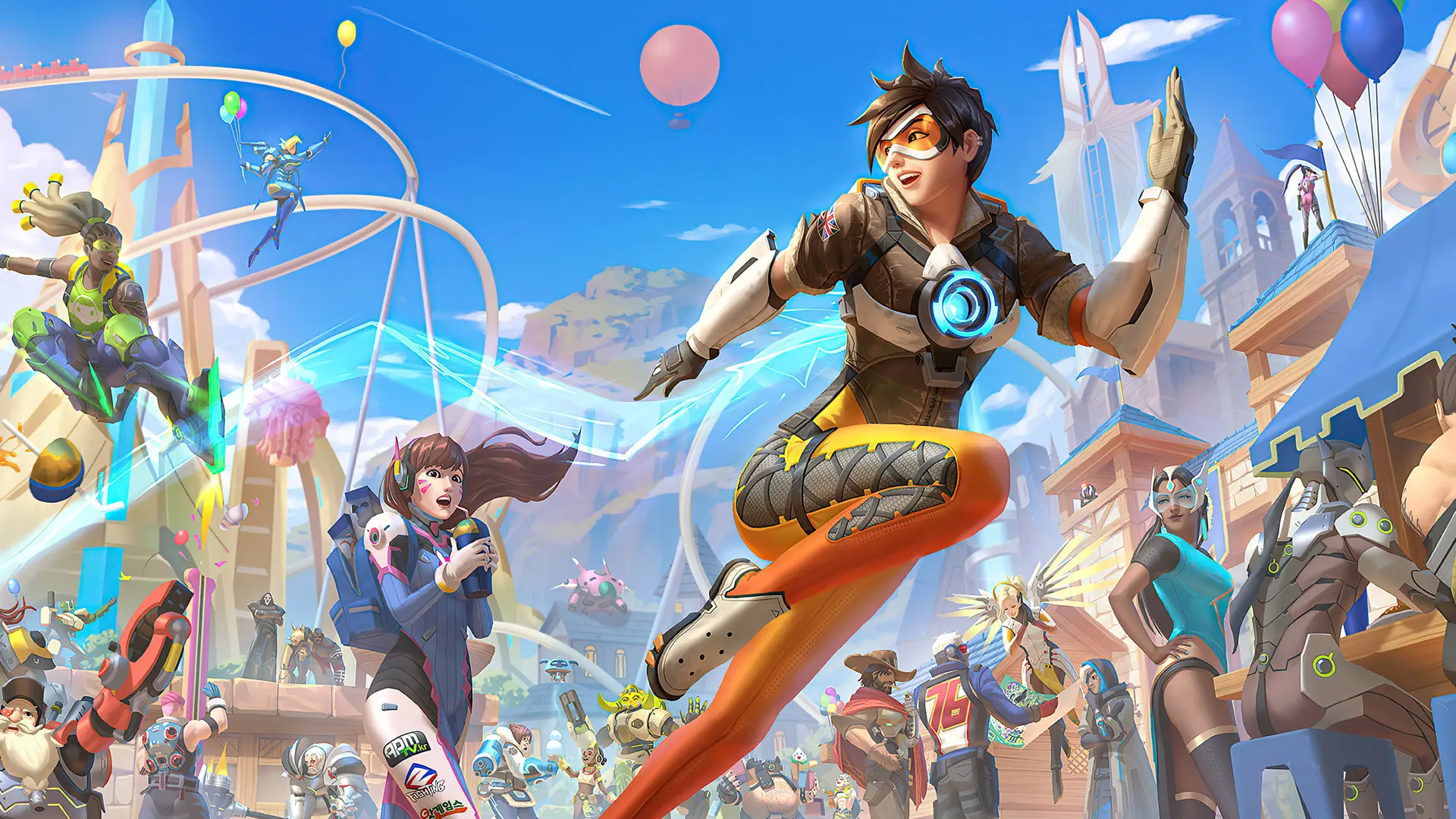
Overwatch Maps: All Overwatch Maps and Game Modes
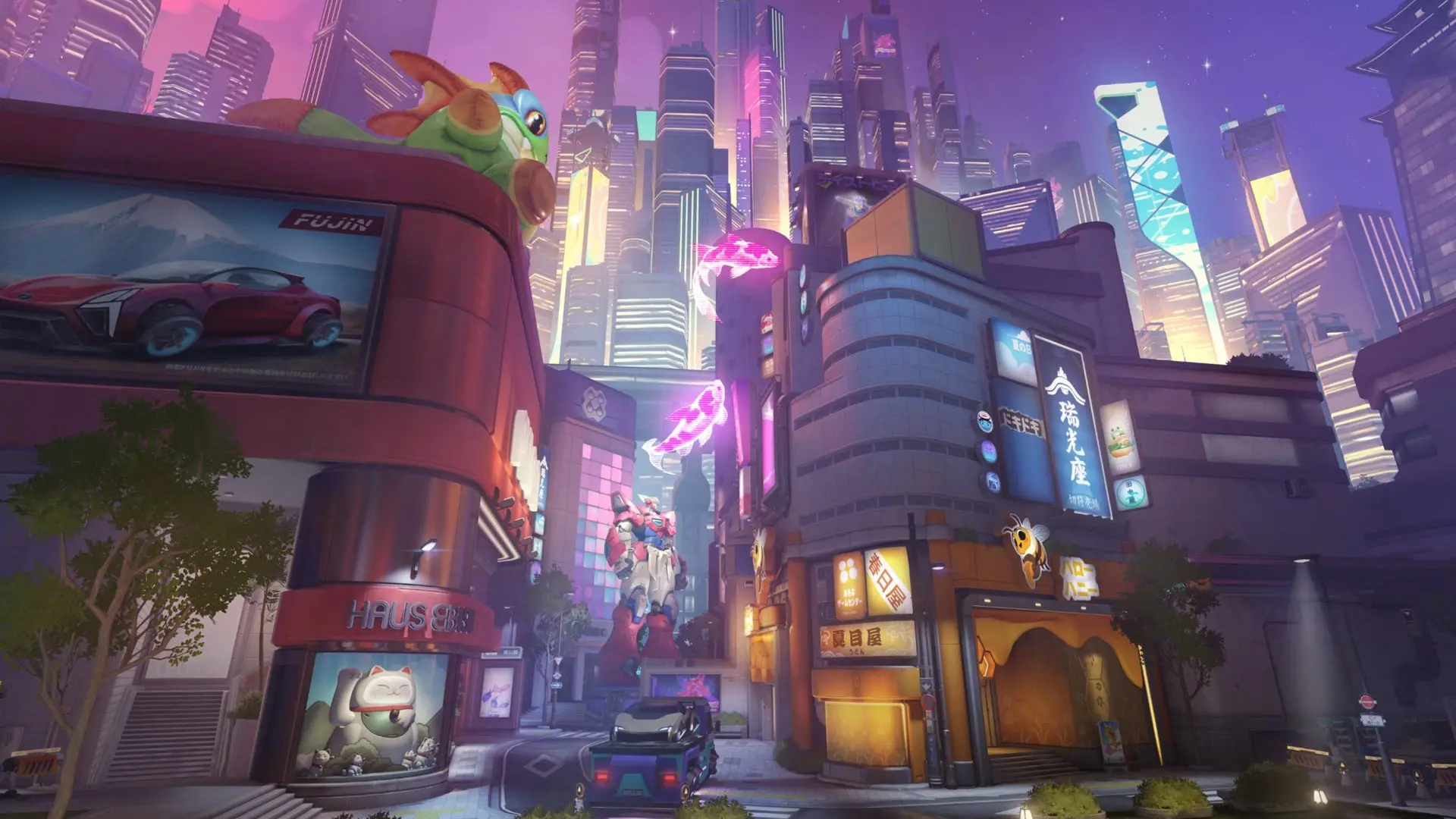
Overwatch maps differ not only in their design but also in their match rules: on some, teams capture control points; on others, they escort a payload or battle over a moving objective. Some arenas are only available in certain game modes. In this guide, we’ve compiled a list of Overwatch maps and explained their types and game modes.
Read also: Overwatch Season 4.5 Tier List: Best Heroes
All Overwatch Maps
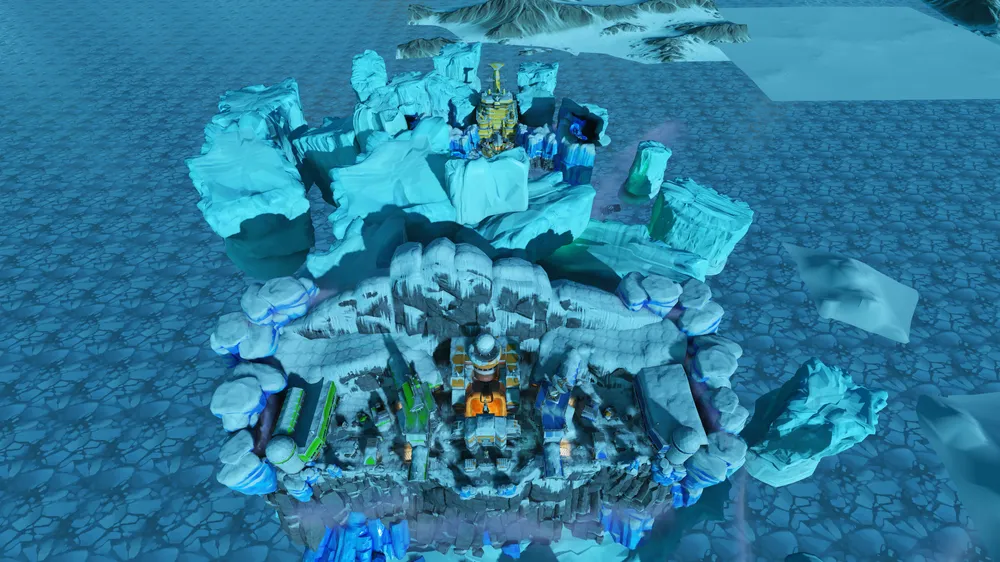
Antarctic Peninsula — Control — Antarctica. The map features many enclosed spaces, narrow passages, and flanking routes around control points, so close-quarters combat is common here.
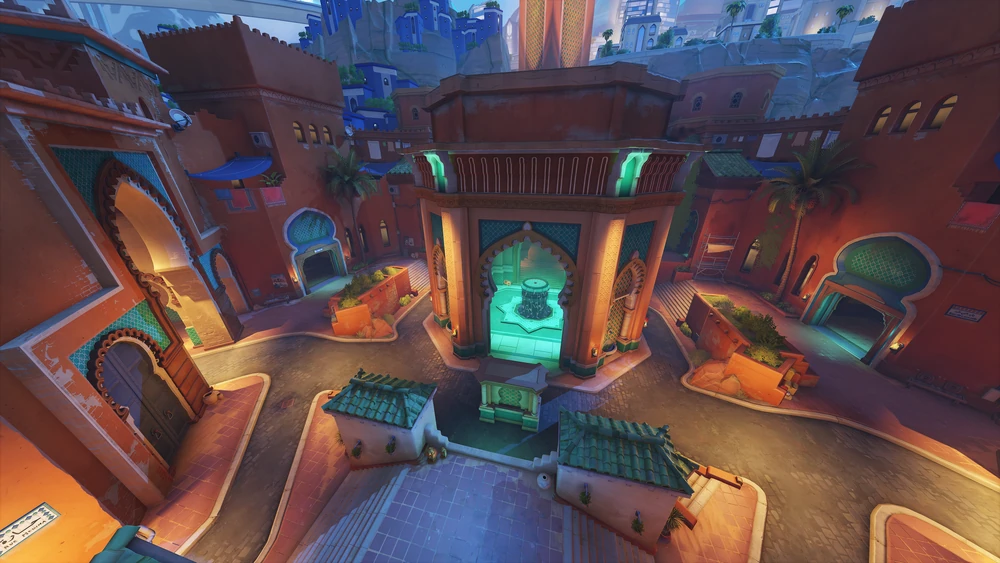
Atlas — Breakpoint — Morocco. A large map with multiple routes between points, verticality, and cover that allows you to approach the enemy from different directions.
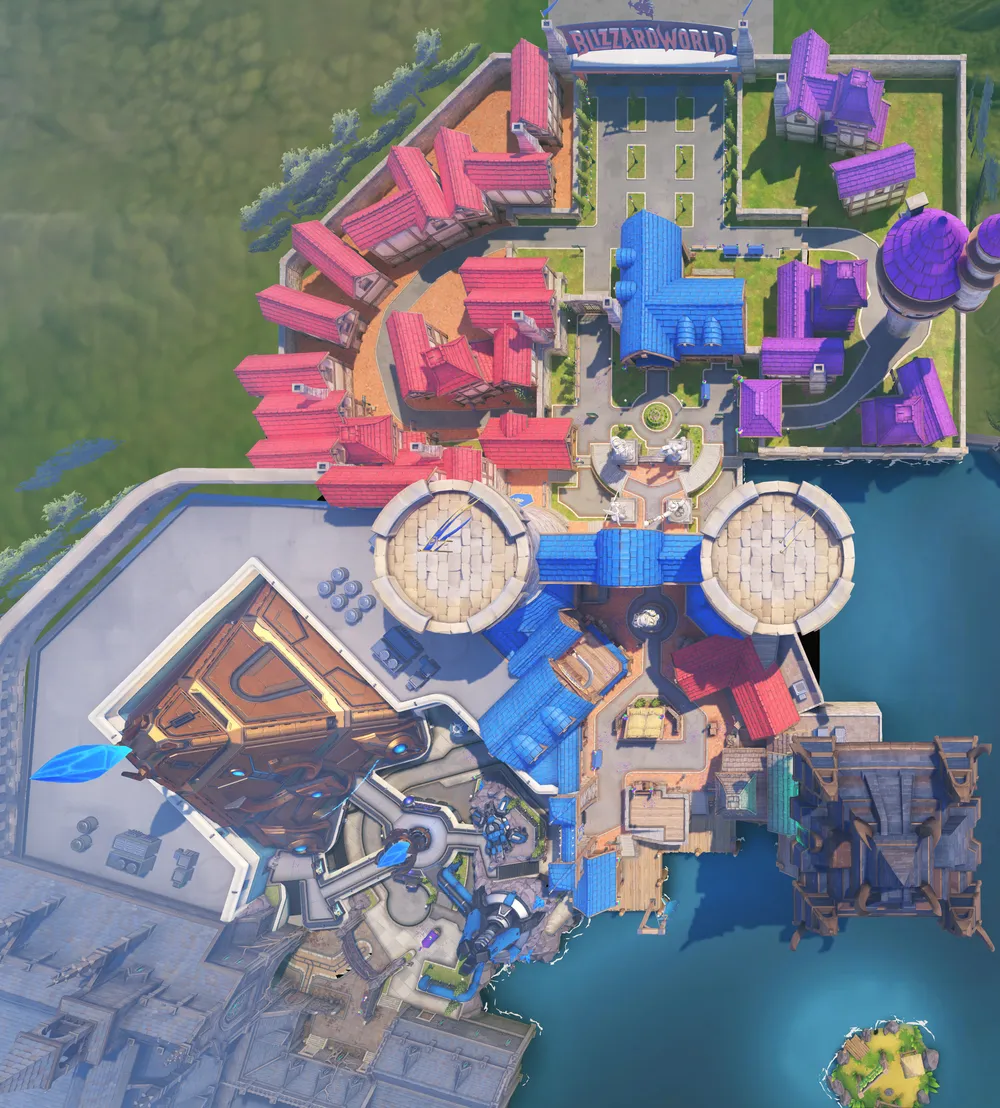
Blizzard World — Hybrid — Irvine, USA. The map is designed to resemble a Blizzard amusement park.
Busan — Control — Busan, South Korea. The three areas are very different from one another: city streets, a temple complex, and a base with numerous elevated positions.
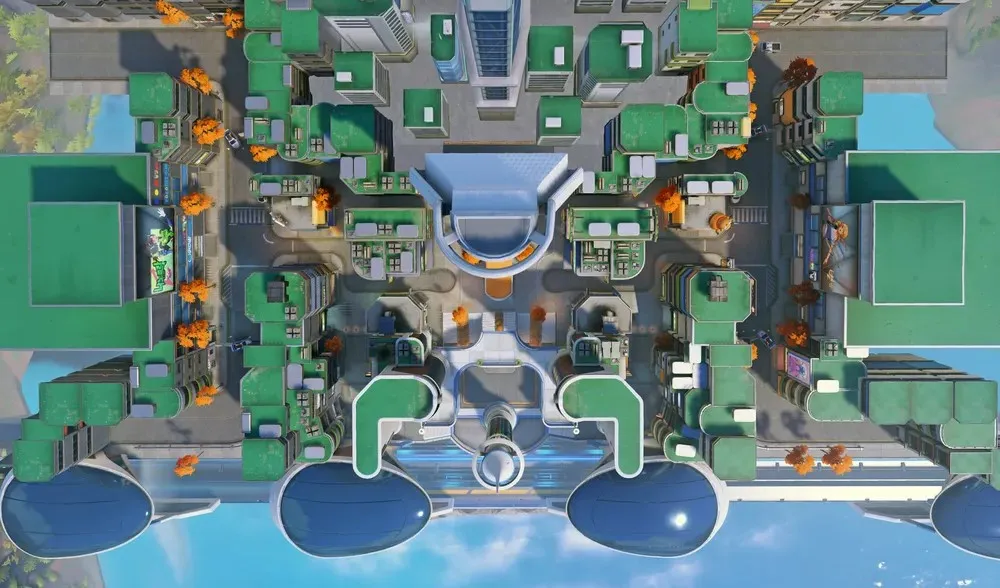
Havana — Escort — Havana, Cuba. Long, straight sections make the map ideal for snipers and other heroes effective at long range.
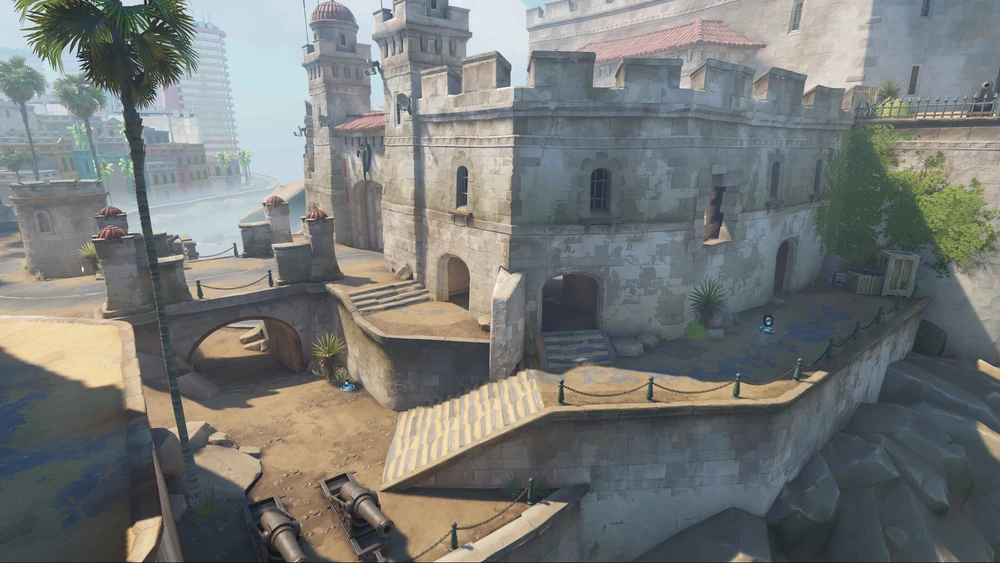
Hollywood — Hybrid — Los Angeles, USA. After the first checkpoint, the payload passes through movie studio sets, where open areas alternate with narrow passages and elevated positions.
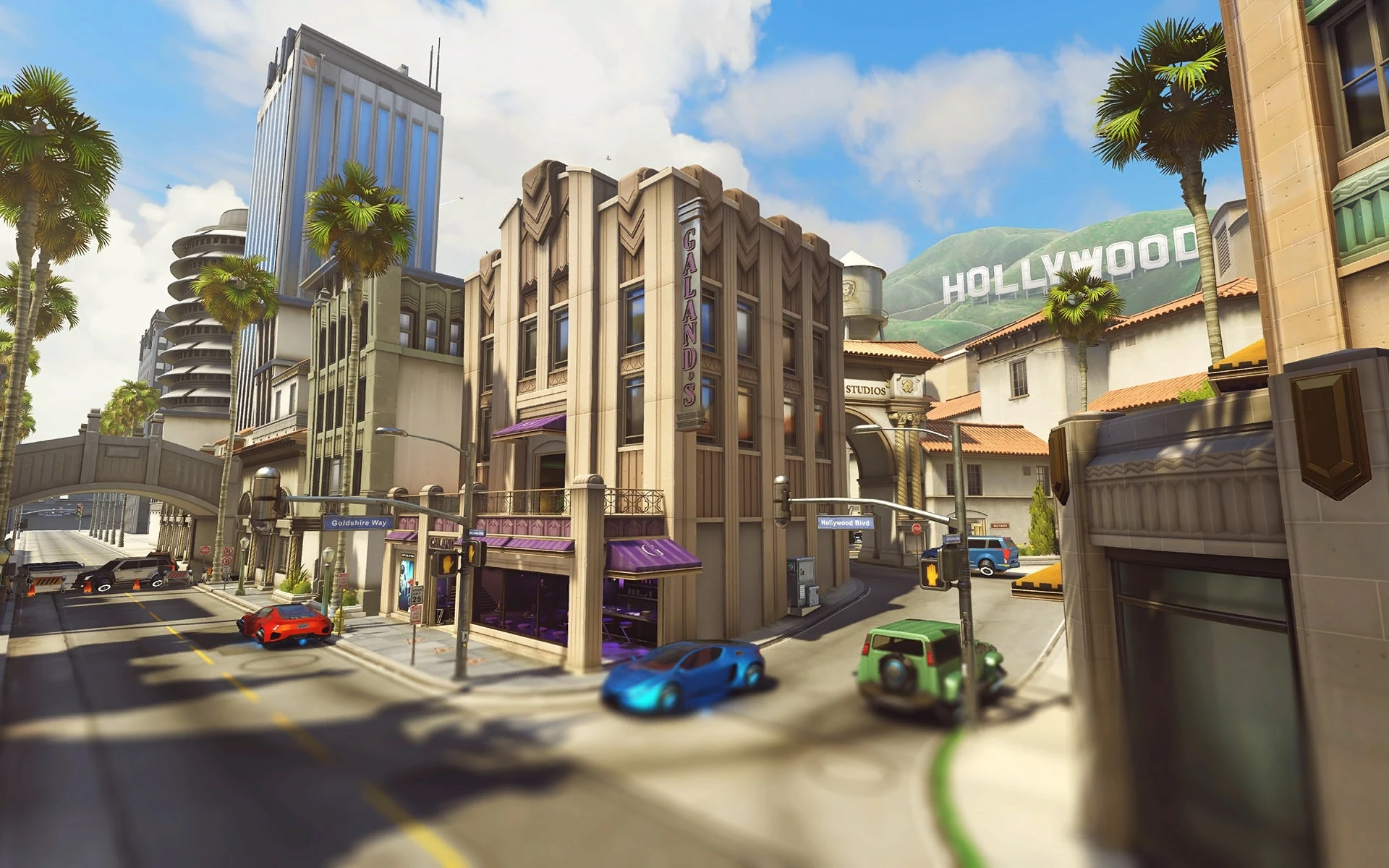
Dorado — Escort — Mexico. The route runs through narrow city streets with numerous balconies and elevated vantage points, from which it’s easy to control the payload.
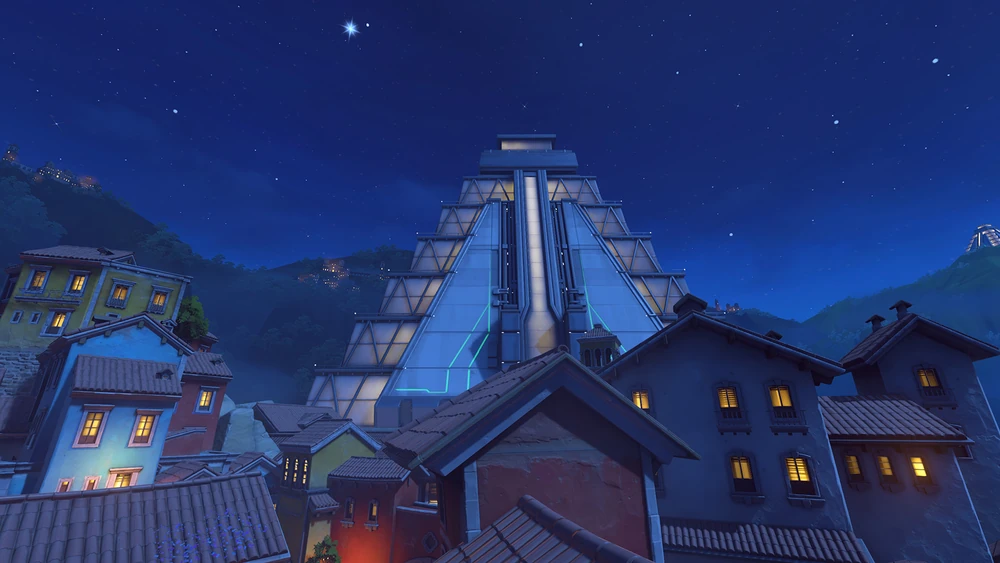
Ilios — Control — Greece. The map is known for its well and the cliffs near the control points, so abilities that knock opponents off the arena are especially useful here.
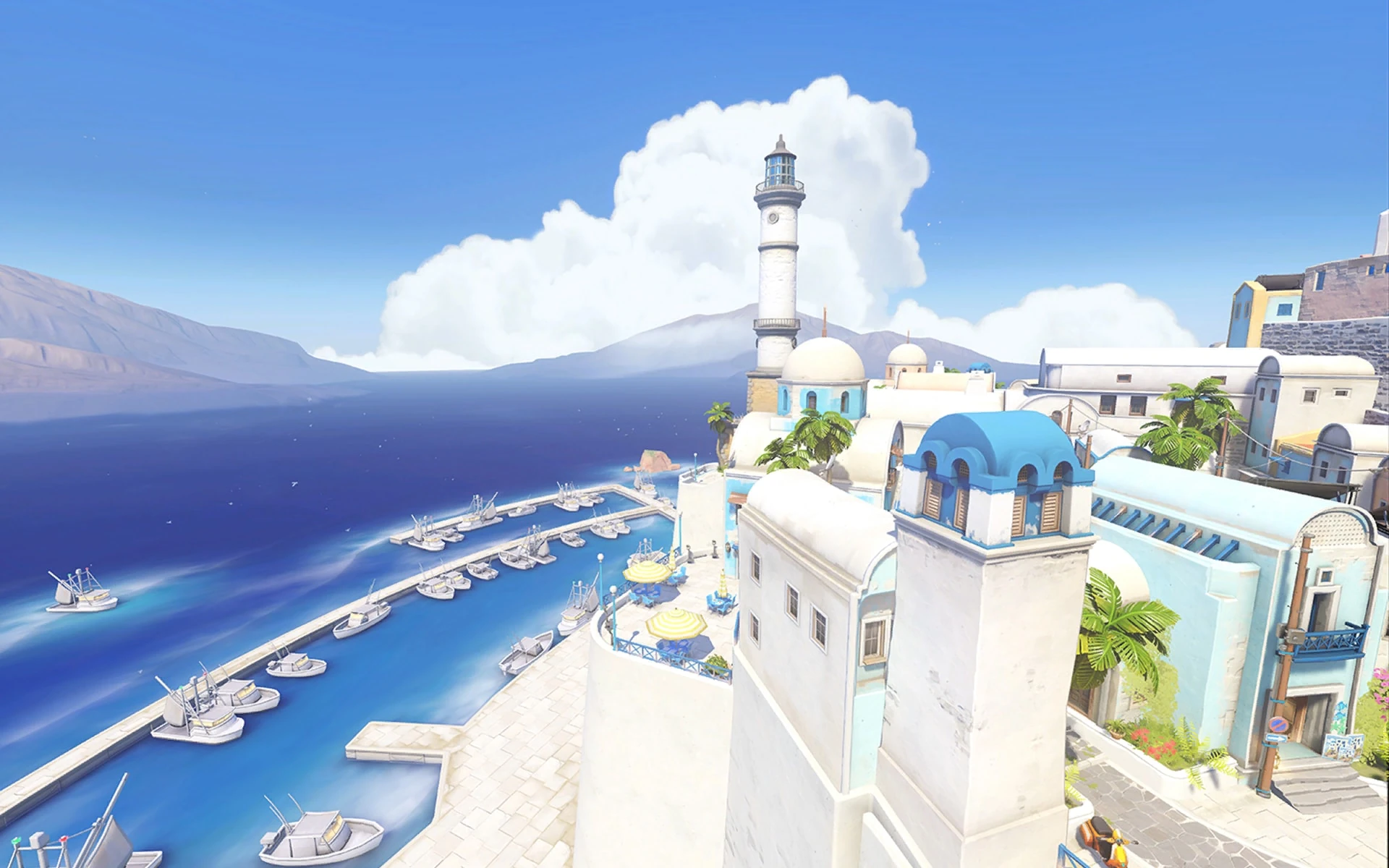
Kings Row — Hybrid — London, United Kingdom. Narrow streets and several tight passageways regularly force teams to fight almost head-to-head.
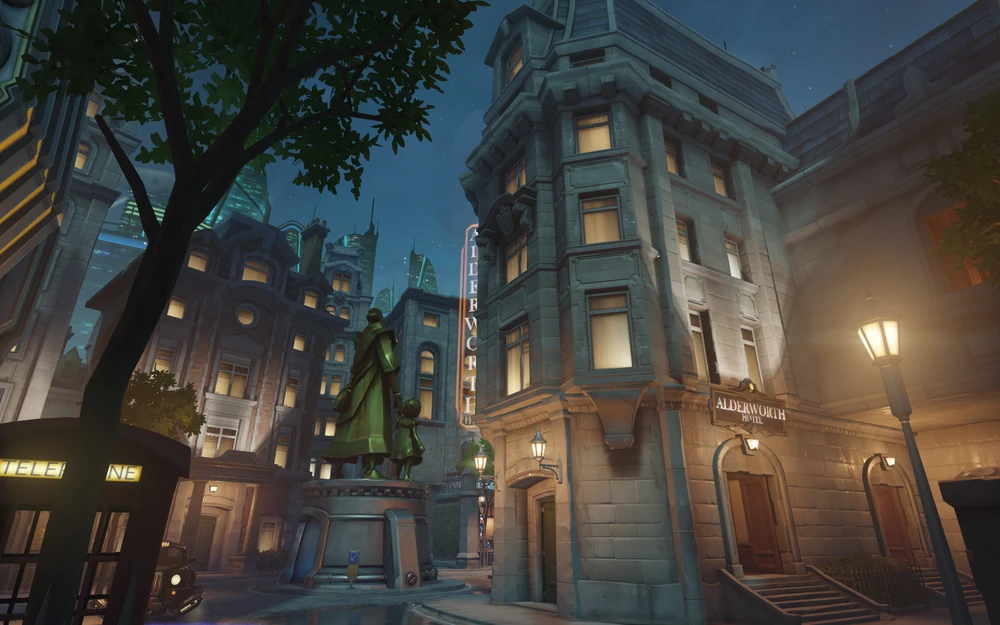
Colosseum — Assault — Rome, Italy. A symmetrical map with a long central robot route, arches, and bypass paths for flanking attacks.
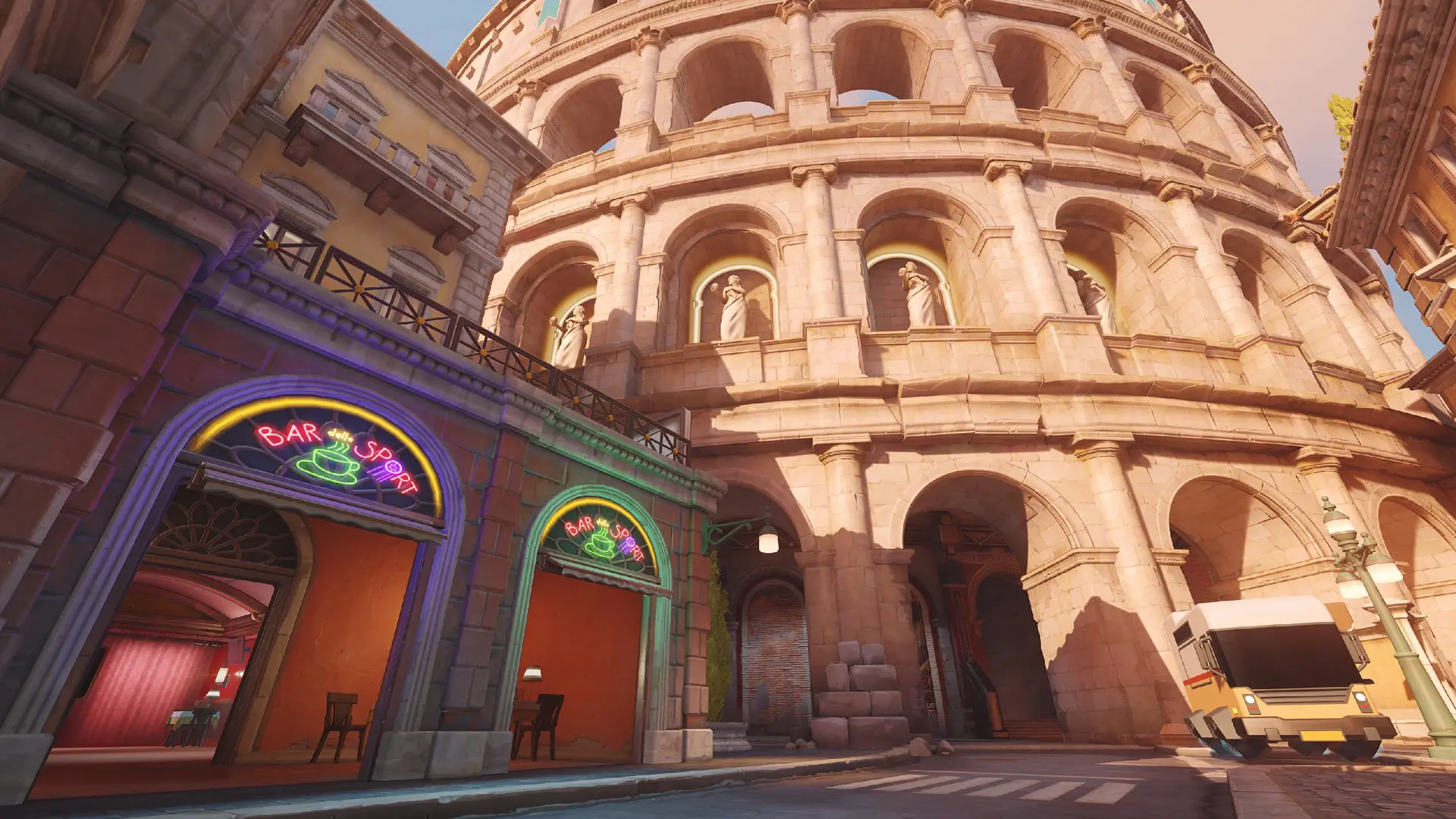
Lijiang Tower — Control — China. The three arenas feature many small rooms, staircases, and dangerous map edges from which opponents can be pushed off.
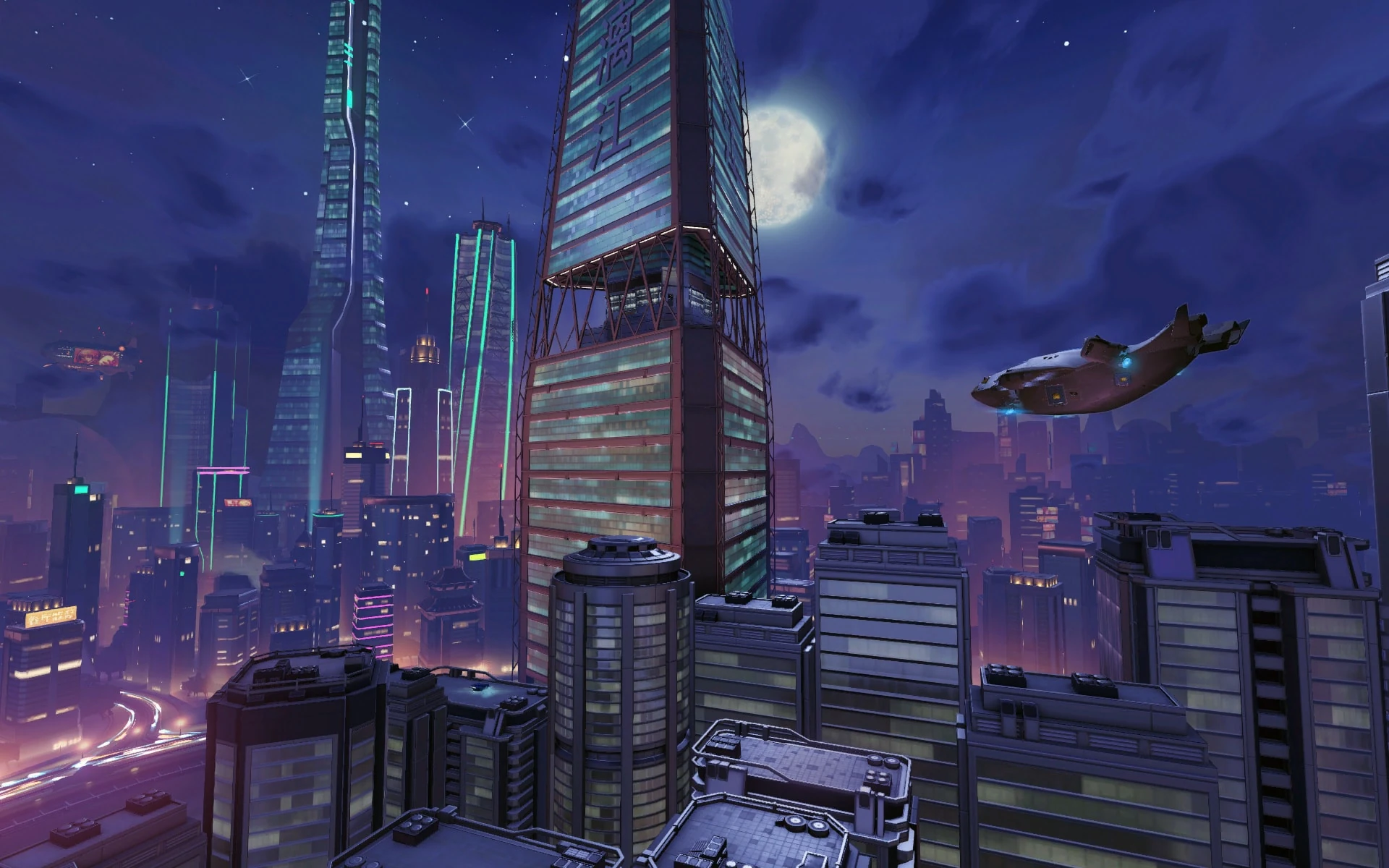
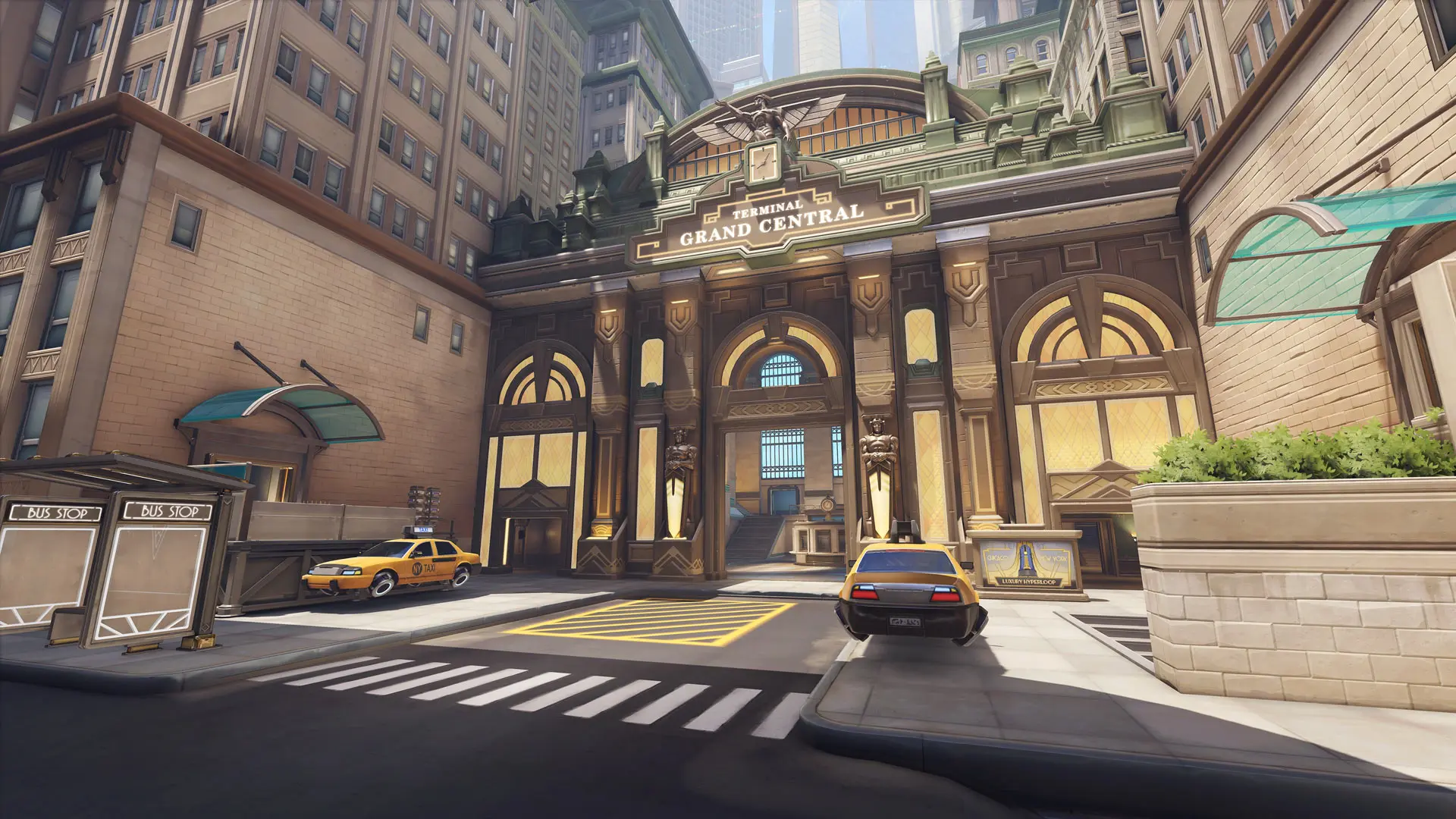
Midtown — Hybrid — New York, USA. The first part takes place among high-rise buildings and narrow passageways, after which the payload moves through the streets of Manhattan toward Grand Central Terminal.
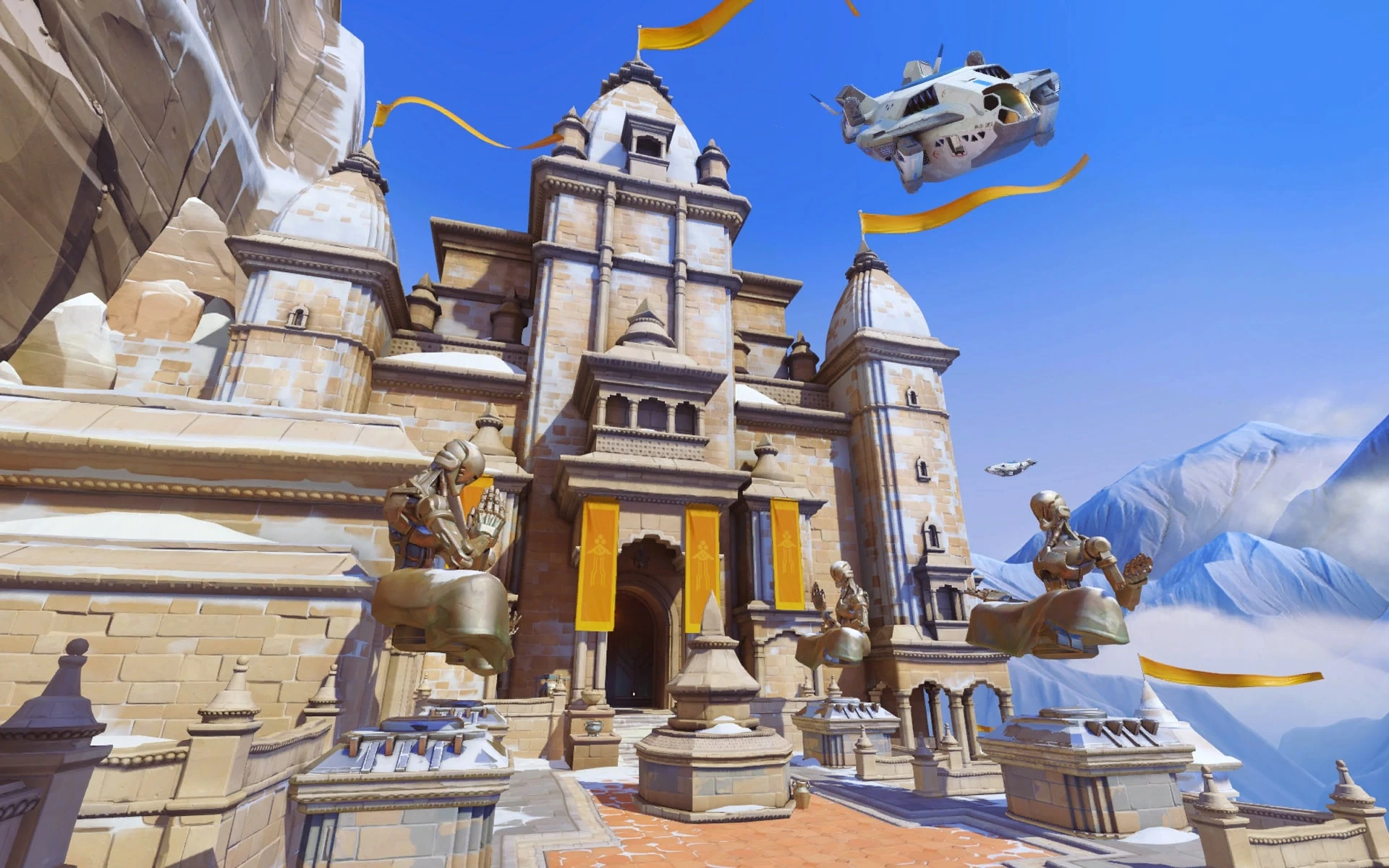
Nepal — Control — Nepal. The three control points are located at different elevations and surrounded by narrow passages; in some areas, you can push opponents off a cliff.
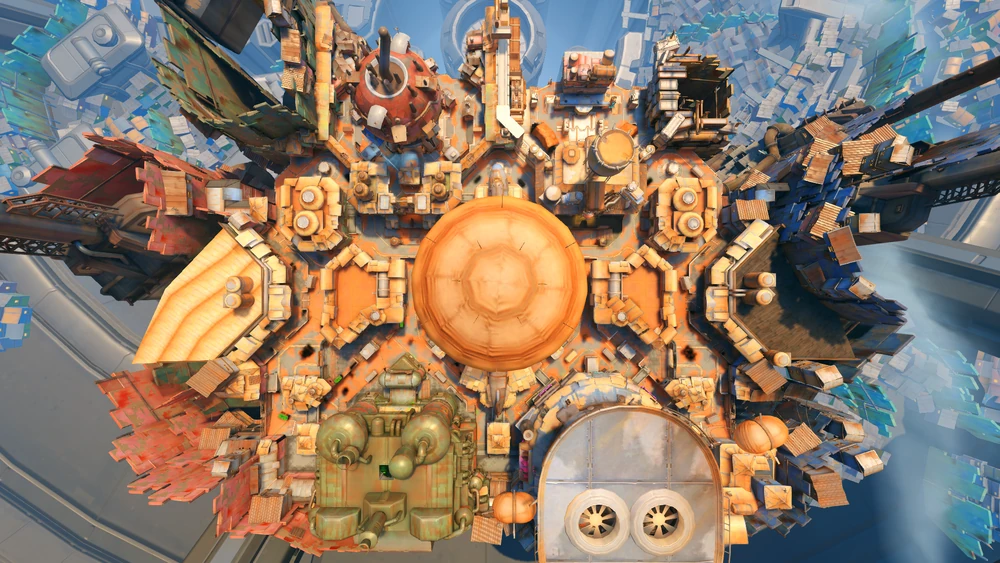
New JunkTown — Breakout — Australia. A massive arena styled after a scavenger settlement with numerous routes between points; after a redesign, the map became more open and gained additional passageways.
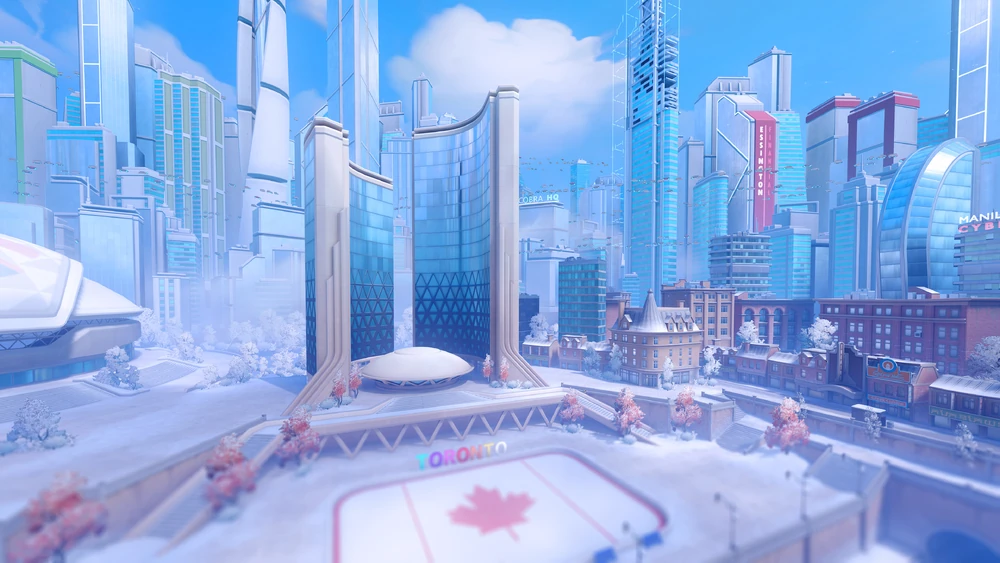
New Queen Street — Assault — Toronto, Canada. A symmetrical urban map with numerous side streets that make it easy to flank the opposing team.
Numbani — Hybrid — Numbani. The map combines open streets and tight spaces, and the elevated areas around the first point give the defending team a significant advantage.
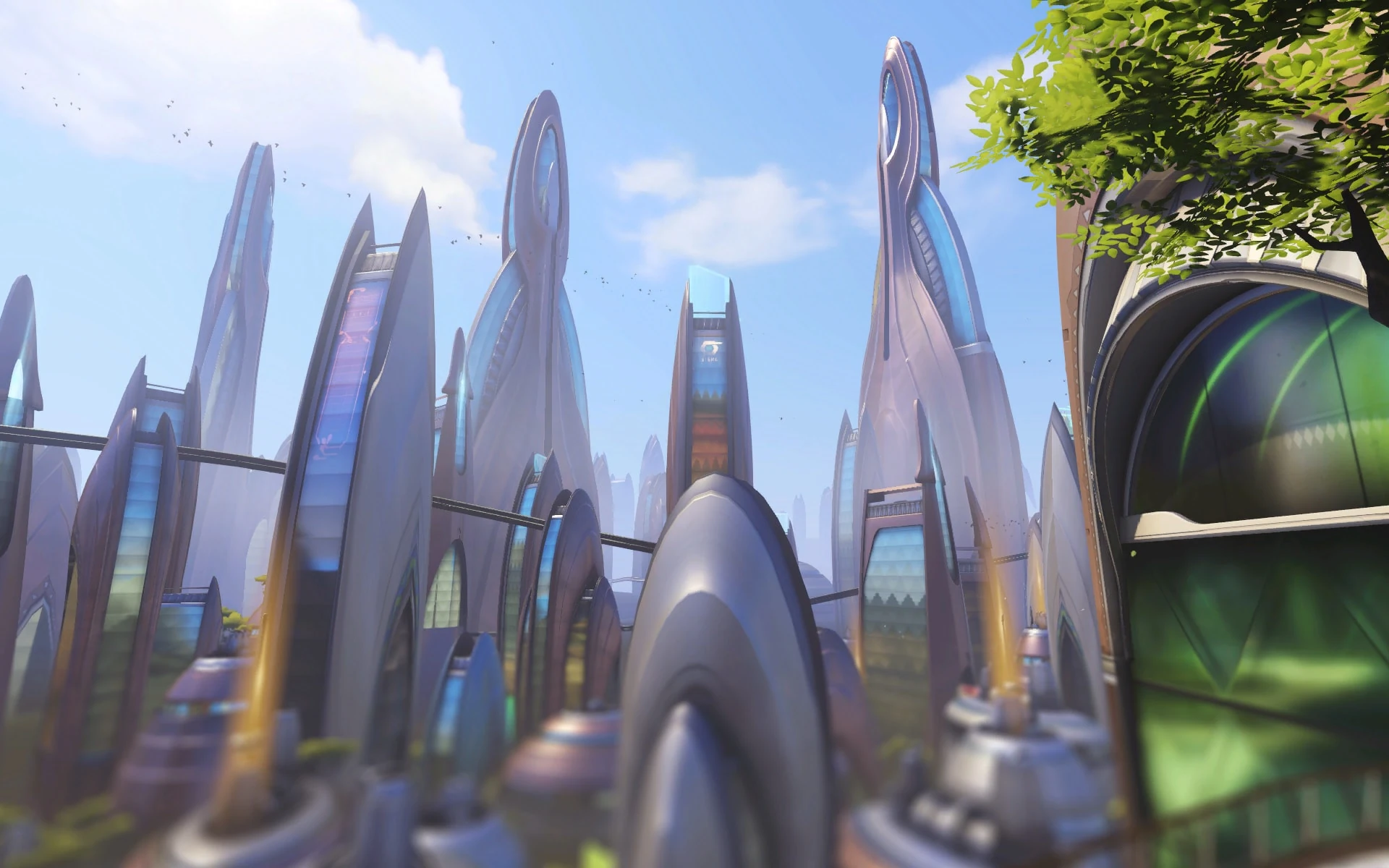
Oasis — Control — Iraq. The three arenas differ in layout, and in some areas, the environment itself poses a danger—for example, players can be hit by cars.
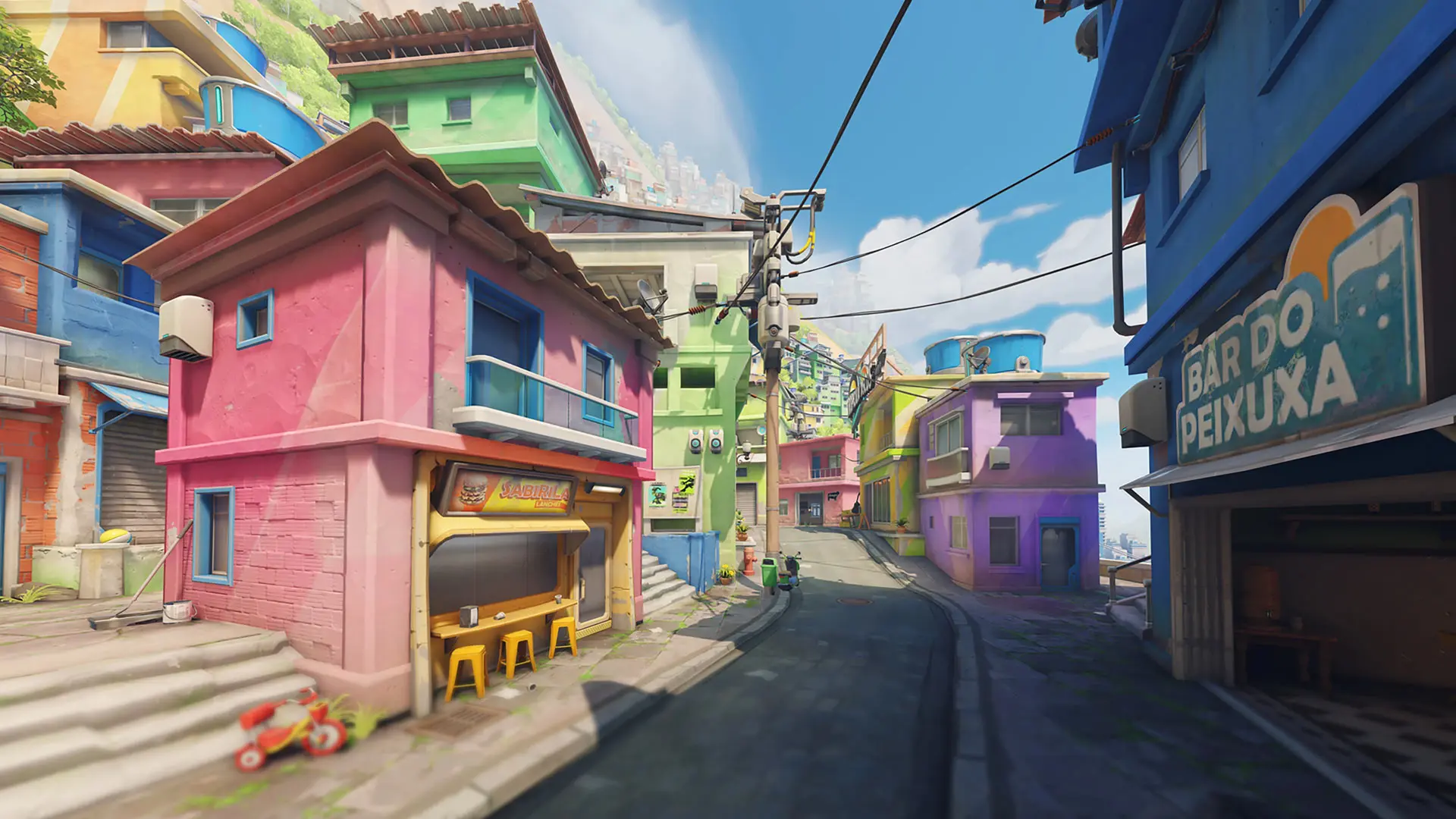
Paraíso — Hybrid — Rio de Janeiro, Brazil. After capturing the first point, the team escorts the carnival float through the city streets to Lucio’s club.
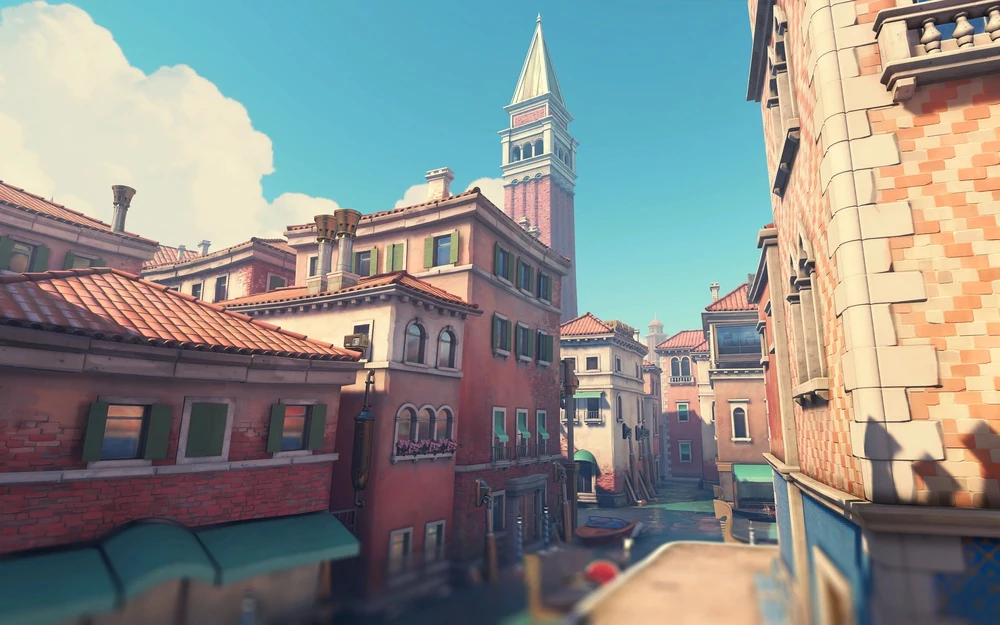
Rialto — Escort — Venice, Italy. Narrow streets and bridges alternate with long lines of sight, and the canals allow players to push opponents into the water.
Route 66 — Escort — United States. The route begins in open terrain and then gradually transitions into tighter areas with plenty of cover; Blizzard has also added additional cover and paths for attackers.
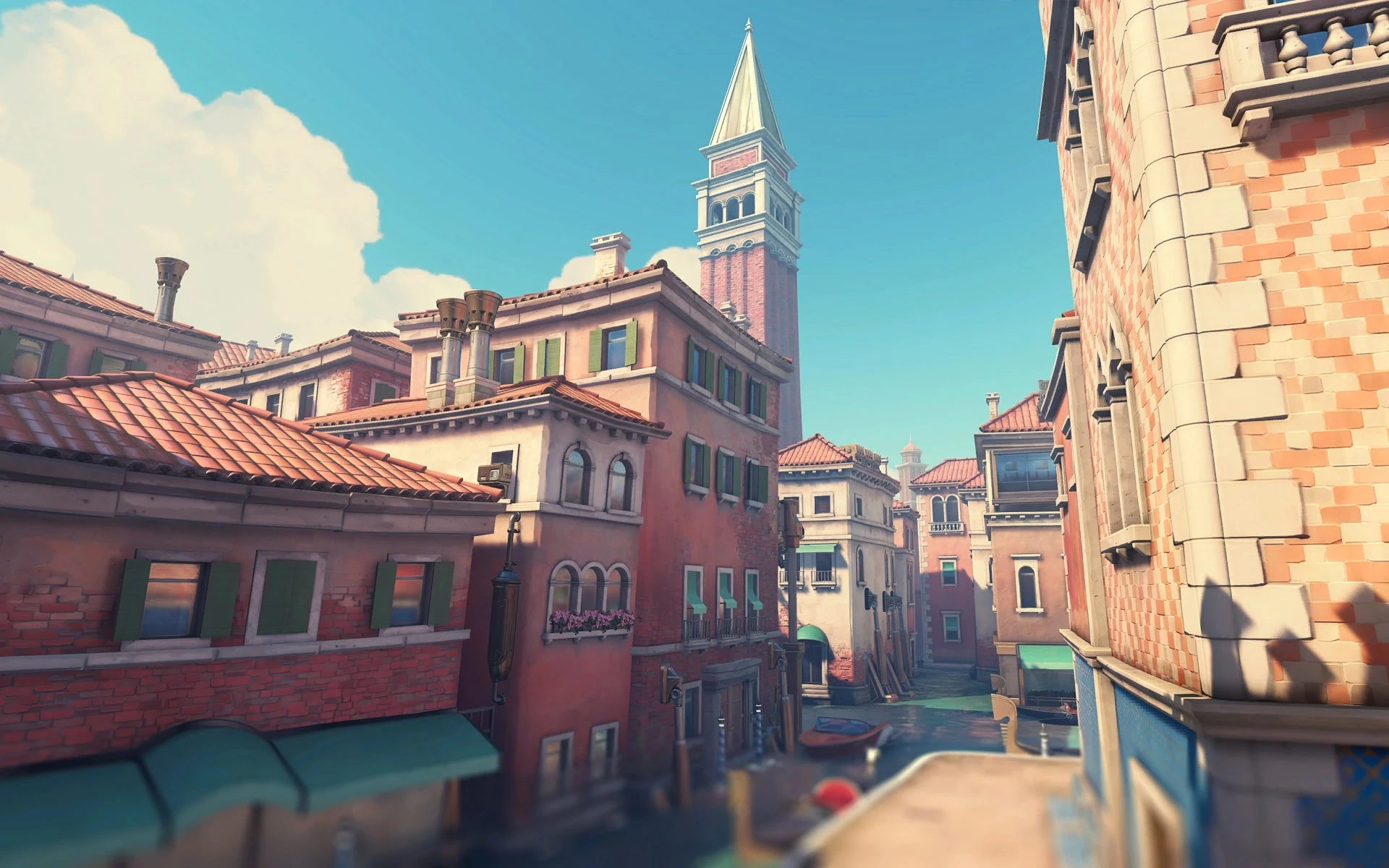
Samoa — Control — Samoa. The map combines open tropical areas with tight interior zones, and some sections near the objective feature dangerous edges and lava.
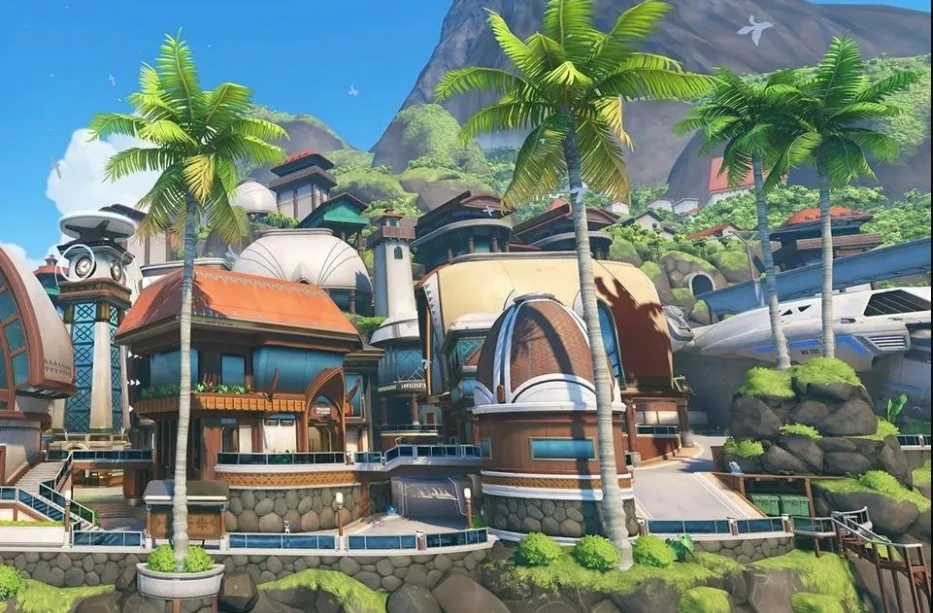
Circuit Royal — Escort — Monte Carlo, Monaco. A winding road climbs toward the hotel through open areas and long lines of sight, making long-range heroes particularly strong here.
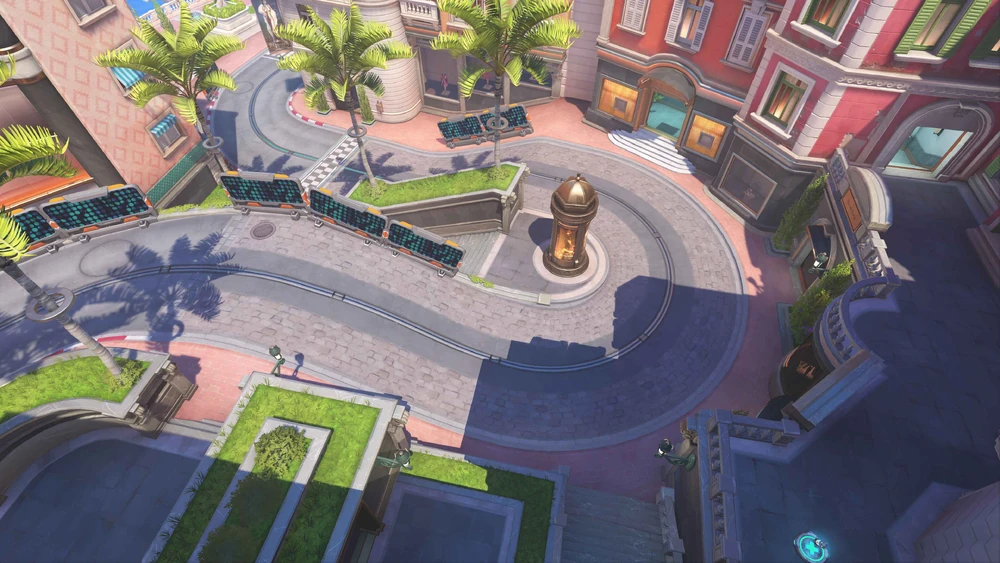
Surawasa — Breakthrough — India. A large map featuring markets, gardens, temples, and ruins; following a redesign, the routes between control points have become clearer, and some cover and passageways have changed.
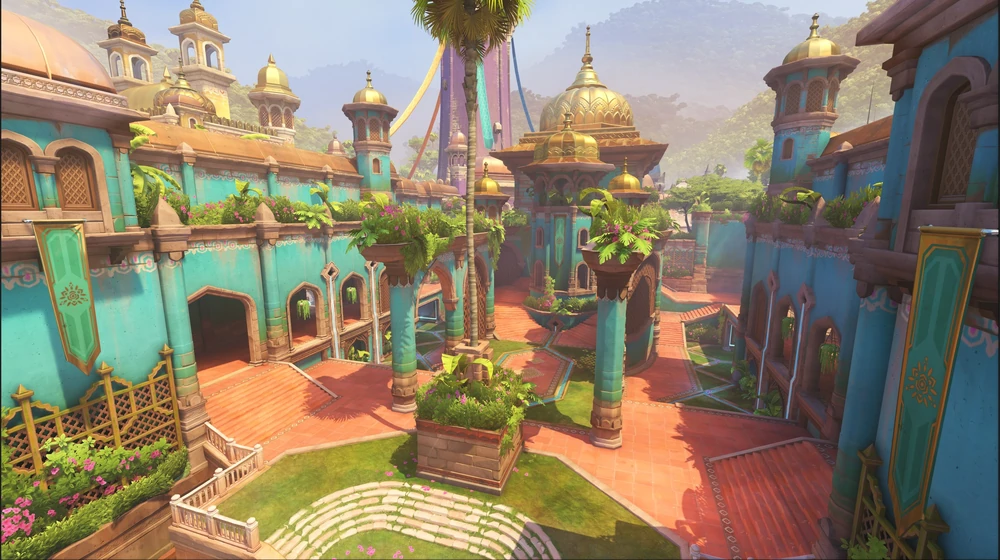
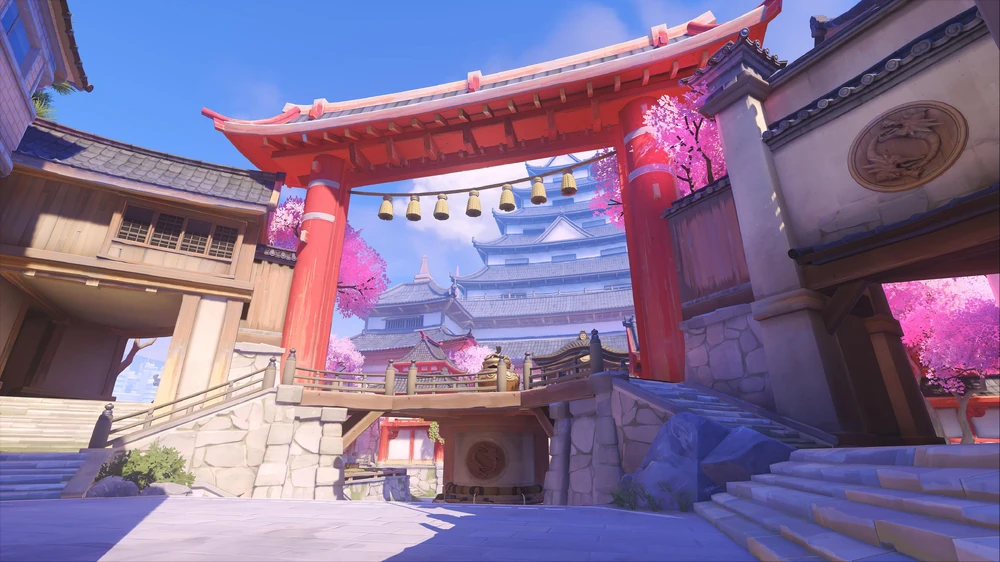
Hanaoka — Clash — Japan. The map is based on the aesthetics of old Hanamura and is built around a sequential battle for several control points across a single area.
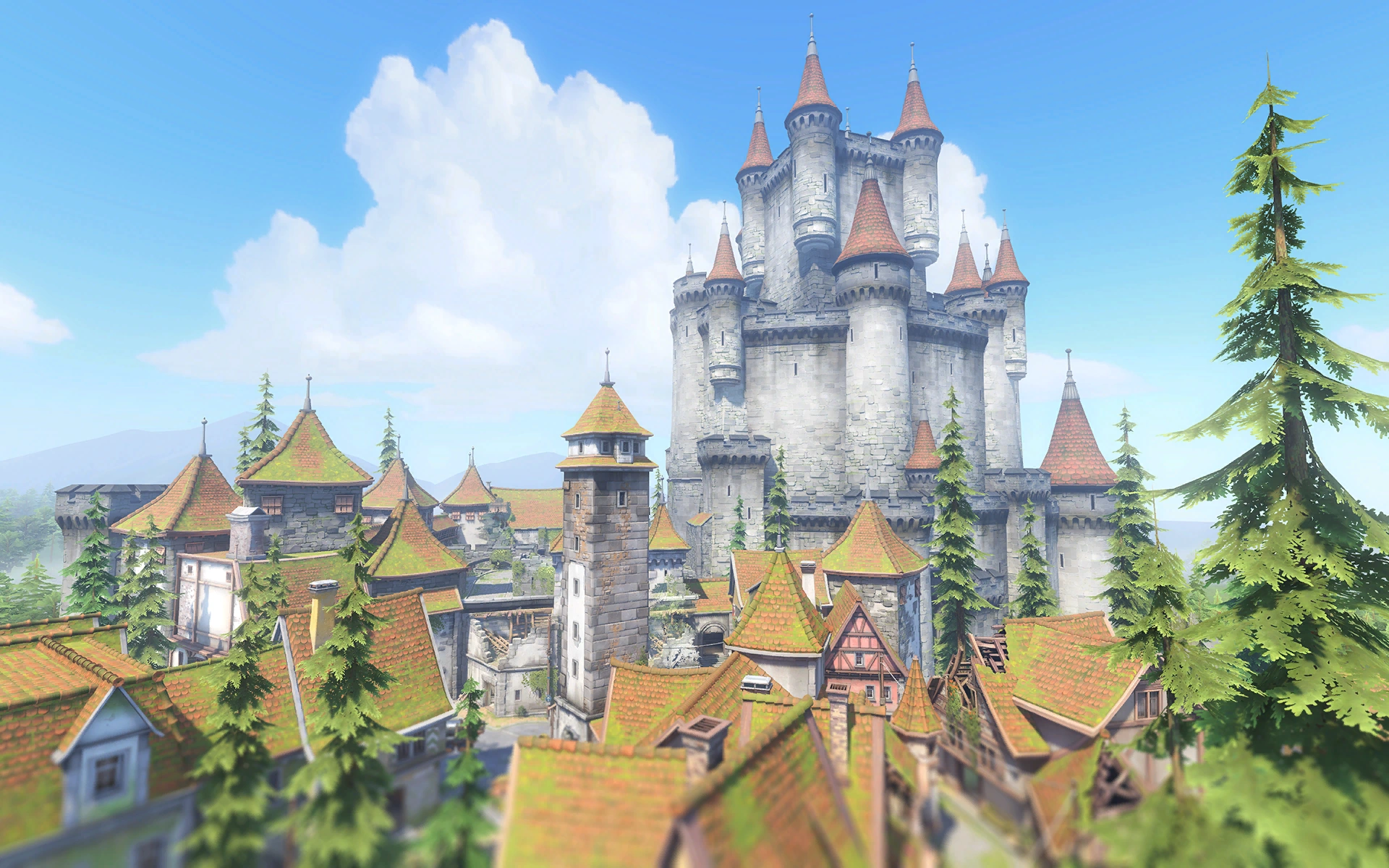
Eichenwalde — Hybrid — Germany. The map begins in open terrain but gradually narrows into the streets and interior of the castle, where controlling the passageways is particularly important.
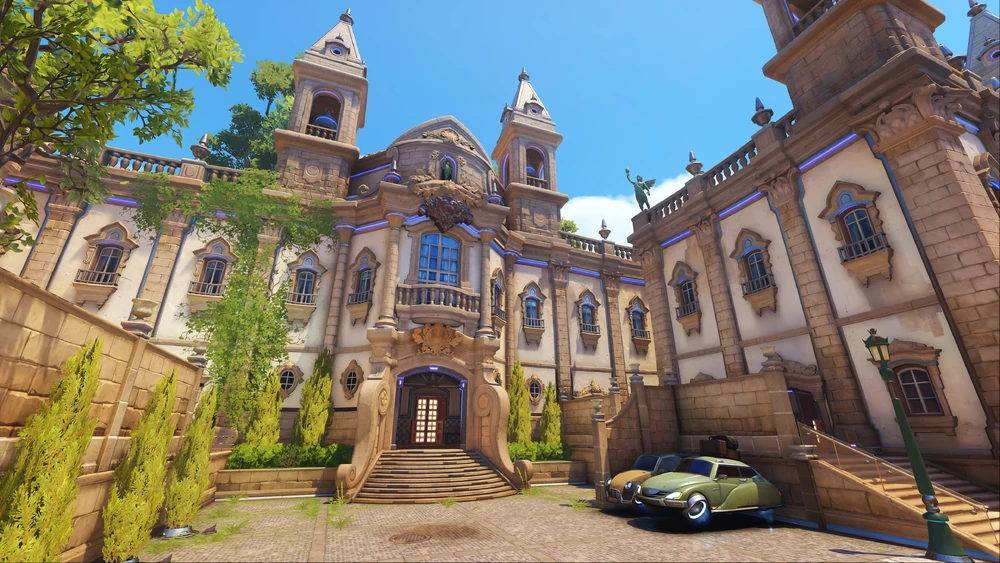
Esperança — Assault — Lisbon, Portugal. A symmetrical map with a long bot route, numerous elevated areas, and flanking paths to bypass the enemy.
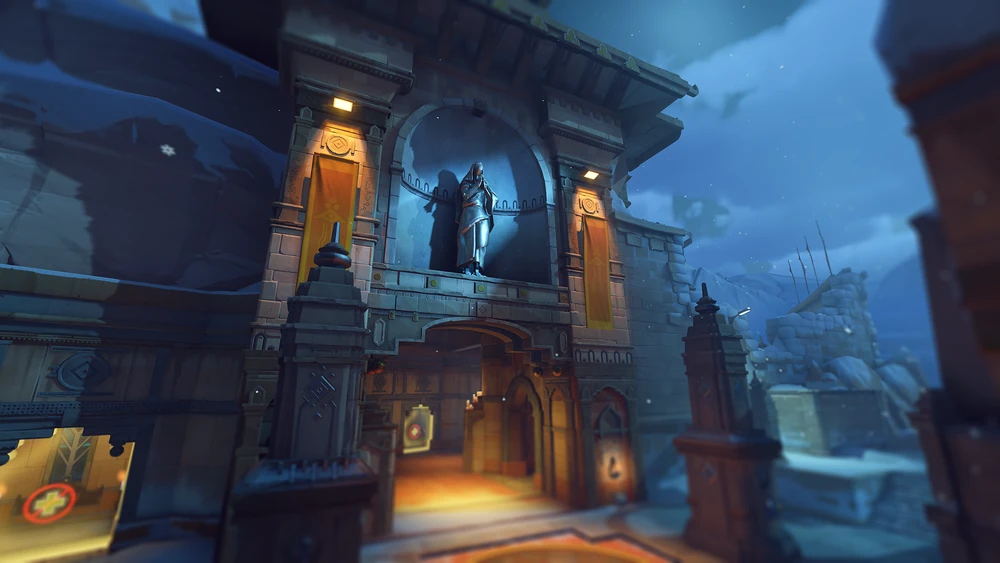
Shambhala — Escort — Nepal. A mountain road gradually climbs toward a monastery and features many turns, elevated areas, and long firing lines.
Junkertown — Escort — Australia. The first part of the map is very open and ideal for long-range shooting, while toward the end, the payload enters the tight spaces of Junkertown.
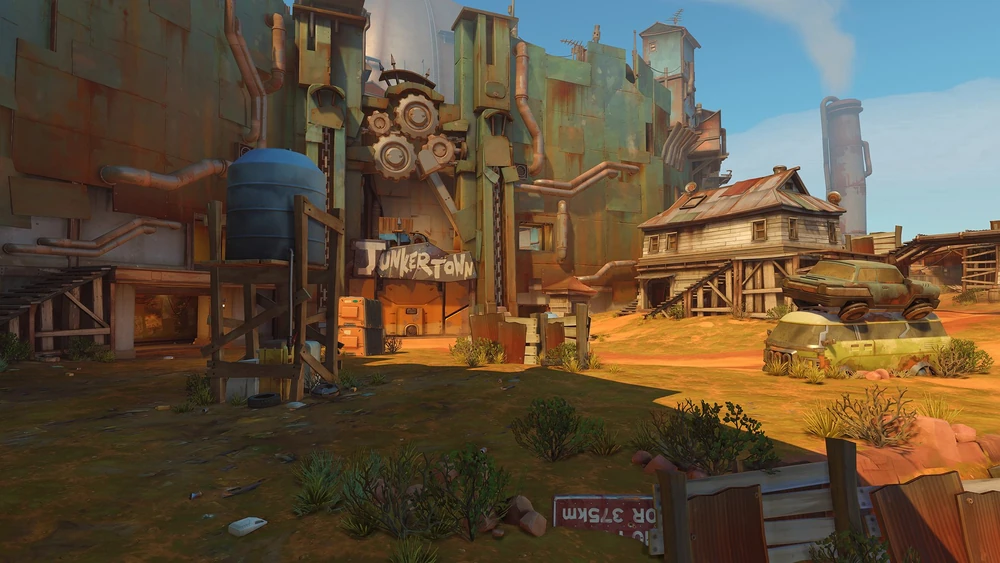
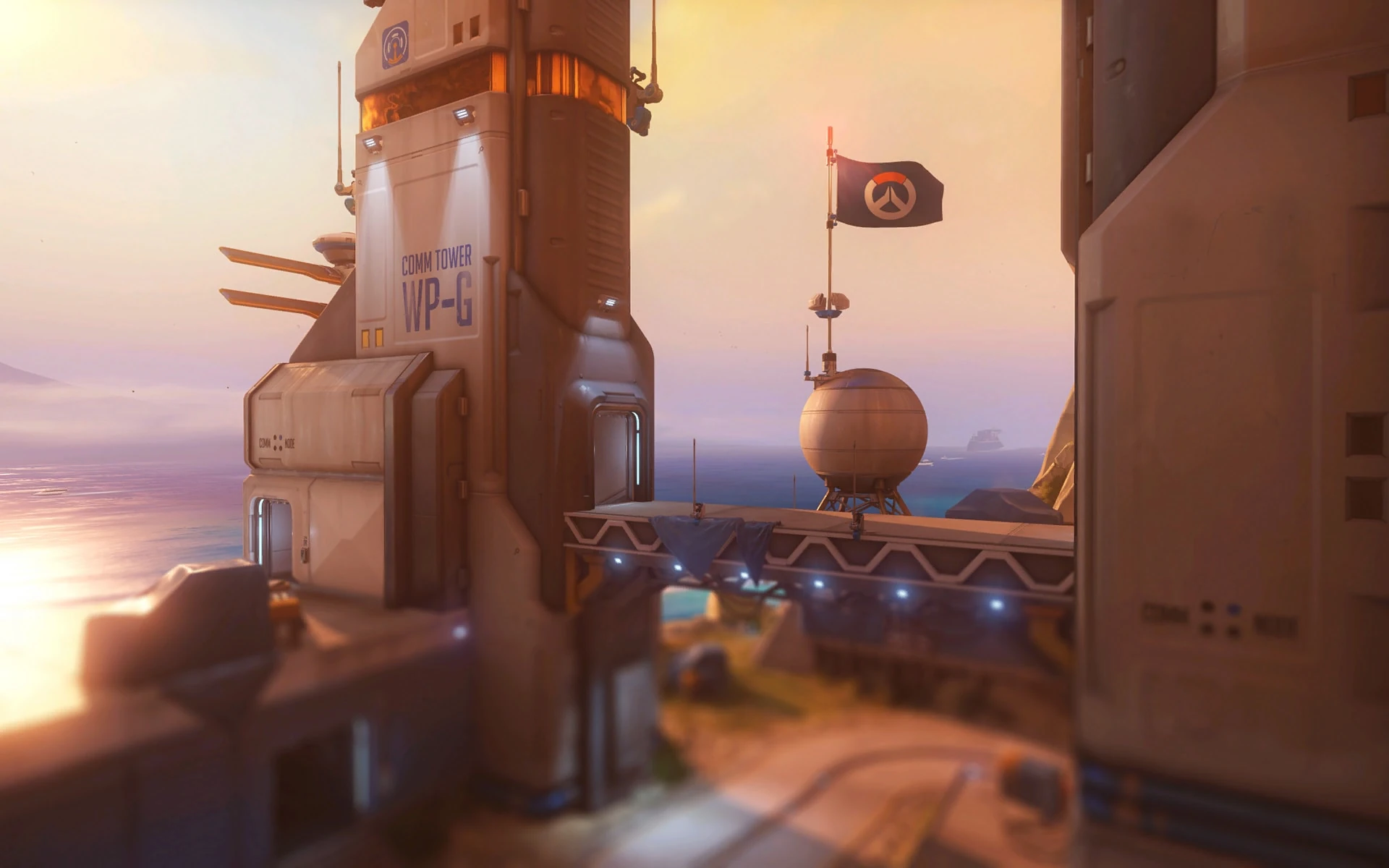
Observation Point: Gibraltar — Escort — Gibraltar. The map features many elevated areas and vertical routes, allowing mobile operators to take positions above the payload and quickly change the direction of their attack.
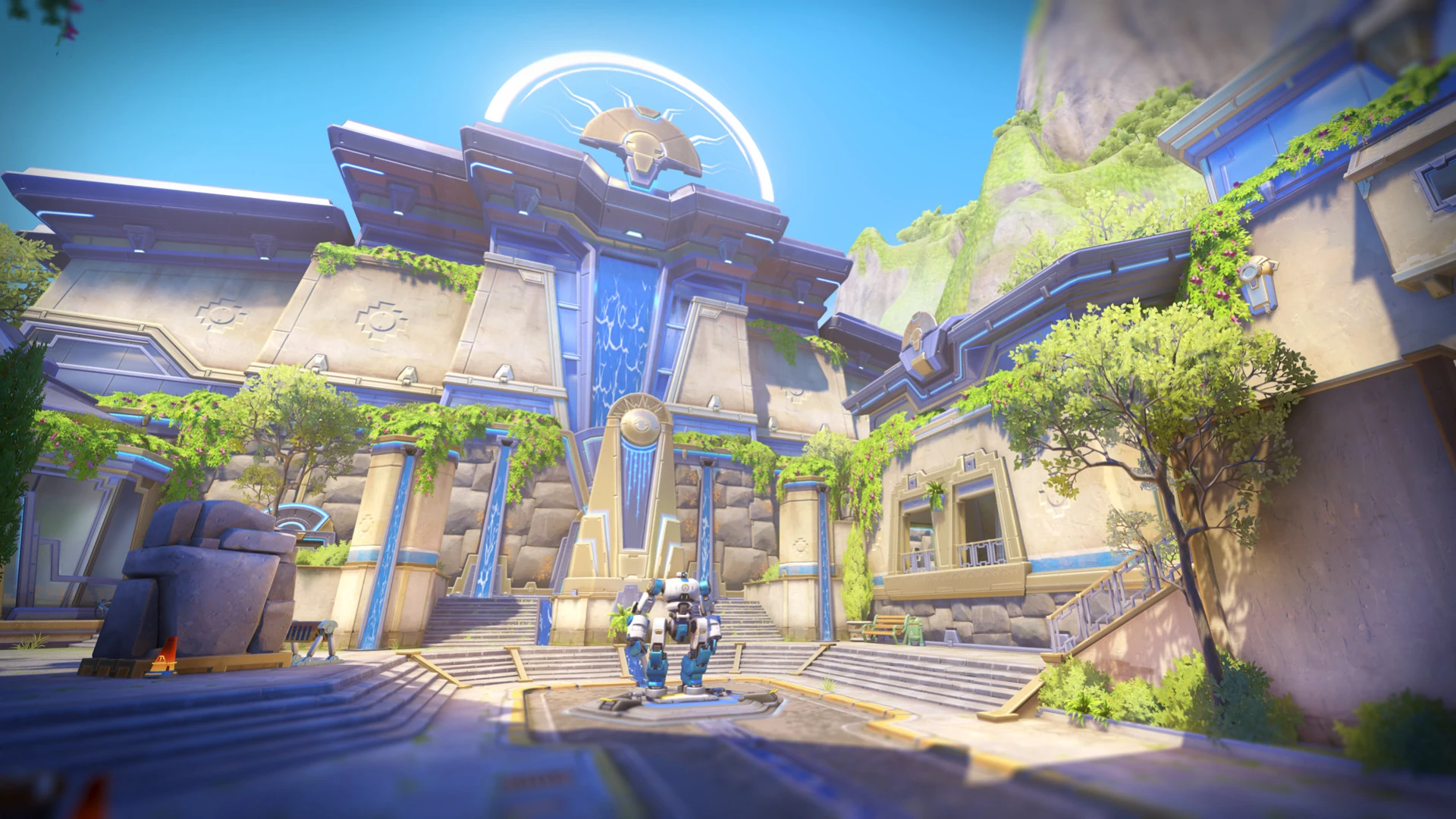
Runasapi — Assault — Peru. The map is built around winding streets and elevation changes, and side passages allow players to flank the team escorting the robot.
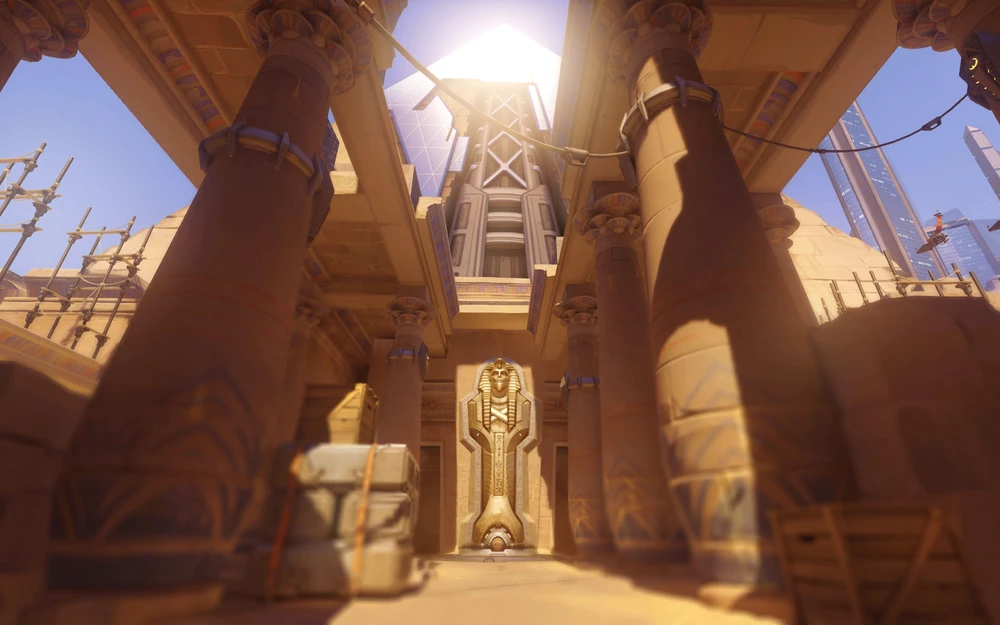
Throne of Anubis — Clash — Egypt. A compact map with five consecutive control points, where the front line constantly shifts toward the losing team’s base; it was created as a new area adjacent to the classic Temple of Anubis.
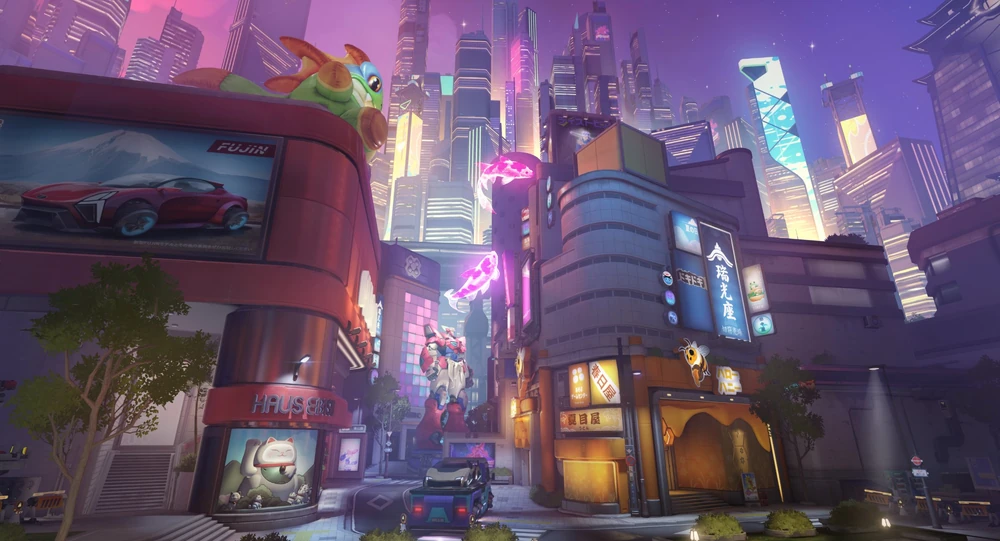
Neon Junction — Hybrid — Tokyo, Japan. A new map added on June 16, 2026.
Overwatch Maps by Game Mode
| Mode | Maps |
| Control | Antarctic Peninsula, Busan, Ilios, Lijiang Tower, Nepal, Oasis, Samoa |
| Escort | Havana, Dorado, Junkertown, Lookout: Gibraltar, Rialto, Route 66, Circuit Royal, Shambhala |
| Hybrid | Blizzard World, Hollywood, Kings Row, Midtown, Numbani, Paraiso, Eichenwalde, Neon Junction |
| Assault | Colosseum, New Queen Street, RunaSapi, Esperanza |
| Breakthrough | Atlis, New Junkertown, Suravesa |
Custom Maps and Modes in Overwatch
Overwatch features custom games and the Workshop, but it lacks a full-fledged map editor that allows players to build their own maps from scratch. Players use existing maps and modify match rules, hero stats, movement speed, damage, abilities, and other settings.
Through the Workshop, you can create more complex custom modes with your own scripts and conditions. You can share finished modes with other players and run them through the custom games browser. Special blank spaces—Workshop Chamber, Workshop Island, and Workshop Expanse—are also available for creators.
If you want to try something other than the standard training mode, check out a custom game. Some popular maps include:
- VAXTA — a popular, versatile shooting practice map. Bots move and dodge, and you can adjust the speed and difficulty of their movements. It features a standard warm-up and a challenge mode.
- ZHTD8 — Realistic Battlebots Aim Trainer. Bots use hero movements and abilities, and you can train on standard Overwatch maps as well.
- JEENZ — training with pre-set 6- and 12-minute programs. Includes exercises for flicks, tracking, and shooting at enemies emerging from cover.
- KAVE5 — PMAJellies Aim Trainer V5 with several exercises for practicing accuracy.
- VERYD — tracking practice. You must keep the crosshair on a moving target, and the difficulty automatically adjusts based on the player’s performance.
- BWJJV — PvE training with bots to practice tracking and quick aim adjustments.
Overwatch Training Map
The Training Grounds mode is designed for general practice in Overwatch. On the training map, you can select any hero, test their abilities, and practice shooting and movement against training bots. You can play the Training Ground on your own or with a group. In addition to the Training Ground, you can practice in matches against AI and in custom modes.
Frequently Asked Questions (FAQ)
В игре 31 карта для основных, аркадных и пользовательских режимов.
Основные режимы — Контроль, Сопровождение, Гибрид, Натиск и Точка прорыва.
Через Workshop можно создавать собственные режимы на существующих локациях.
Откройте «Своя игра», создайте матч, перейдите в настройки и импортируйте код Workshop.
Для базовой тренировки используйте «Полигон», а для прицеливания — пользовательские режимы, например VAXTA.