Valorant Agents in 2026: All Characters, Tier List, and the Best Agents for Different Roles

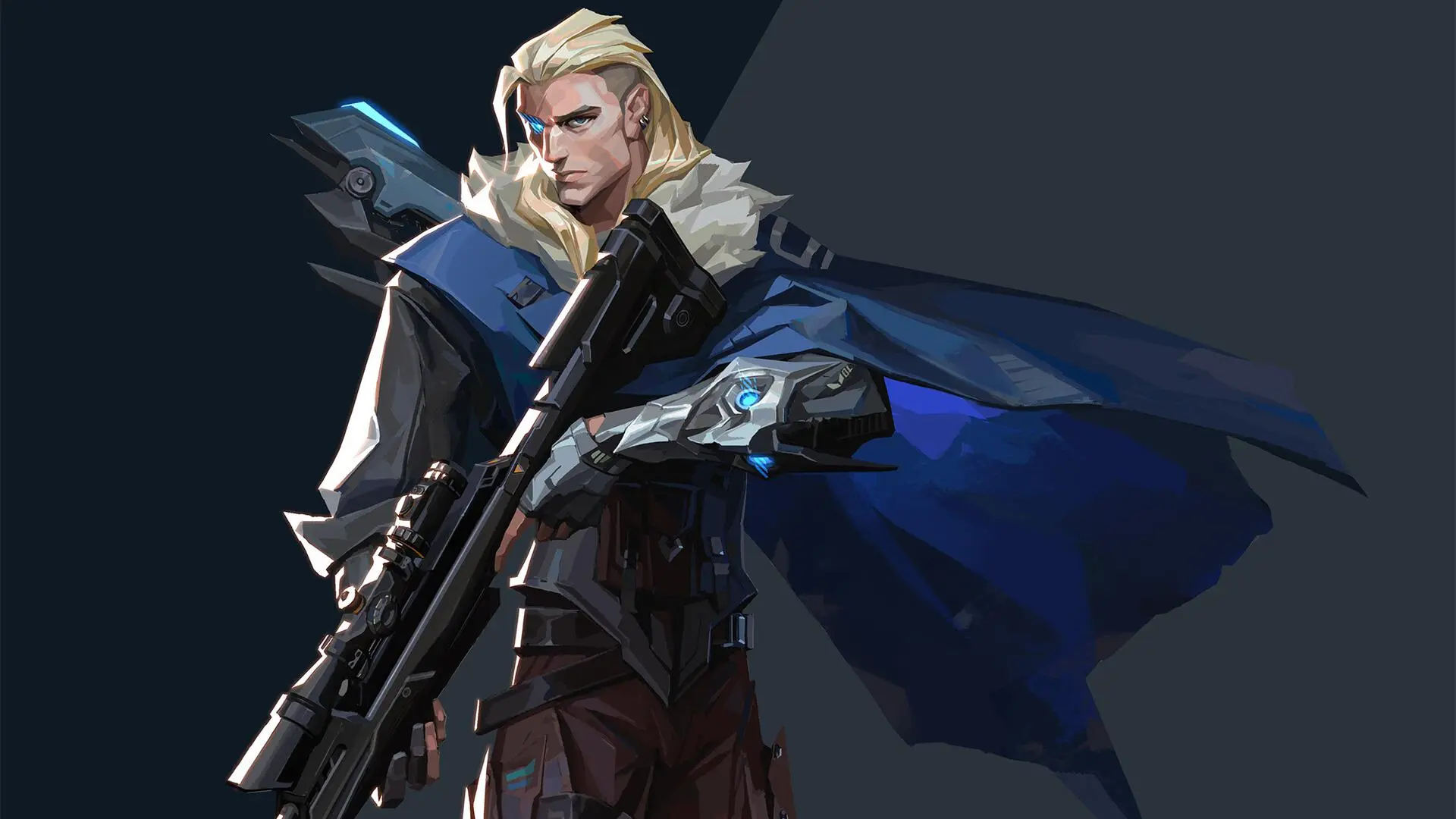
Agents are, simply put, the characters in Valorant. Each agent has unique abilities that can change the course of a round and define a team’s playstyle. Some agents are great for aggressive pushes on objectives, while others gather intelligence or help hold positions. In this article, we’ve compiled a list of all Valorant agents, described their roles, and created an up-to-date tier list of characters for 2026. We’ll also explore which agents are best suited for beginners and which ones professional players choose most often.
All Valorant Agents and Their Roles
There are 29 agents in Valorant, and they are divided into four roles: Duelists, Initiators, Controllers, and Defenders.
| Type | Agent |
| Duelist | Jett, Reyna, Raze, Phoenix, Yoru, Neon, Iso, Waylay |
| Initiator | Sova, Breach, Skye, Fade, Gekko, Kay/o, Tejo |
| Controller | Brimstone, Viper, Omen, Astra, Harbor, Clove, Miks |
| Defender | Sage, Cypher, Killjoy, Chamber, Deadlock, Vyse, Veto |
Duelists
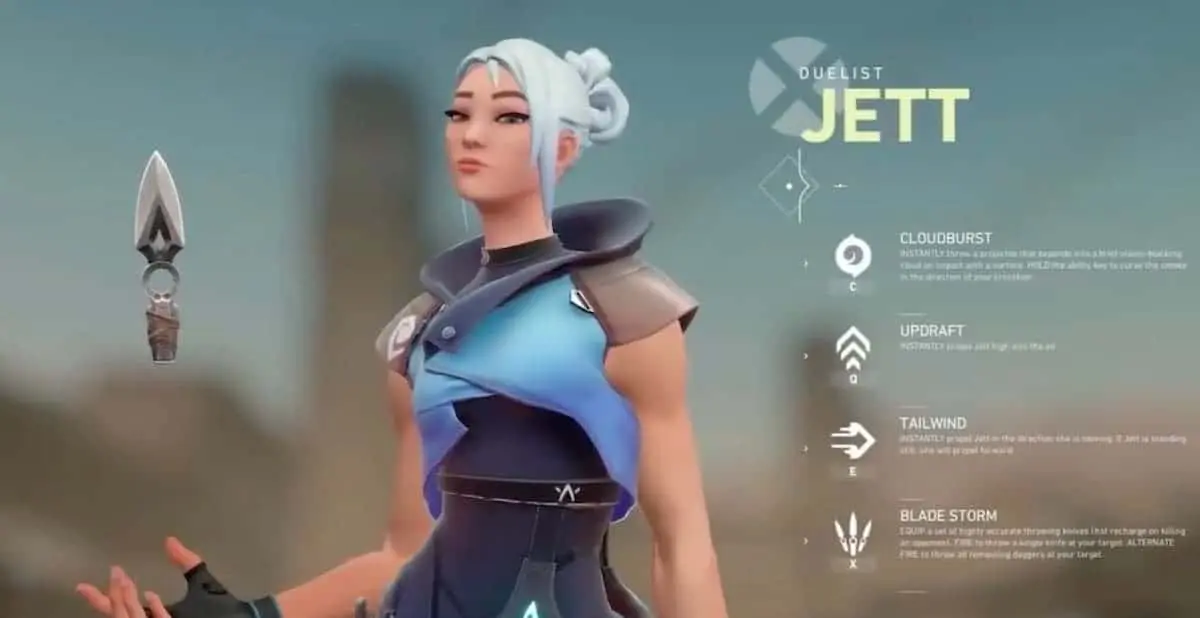
Duelists are a team’s primary offensive force. They’re the first to reach the objective, secure early kills, and create space for their allies. Most duelists have blinding abilities, high mobility, or skills for aggressive firefights.
Pros and Cons:
- ✅ High kill potential;
- ✅ Easier to win in one-on-one duels;
- ✅ Strong in aggressive play.
- ❌ heavily dependent on personal skill;
- ❌ Often die first;
- ❌ of little use to the team if your aim is poor.
This class is for you if: you like to play aggressively and are confident in your aim.
Initiators
Initiators help the team push into the objective. They gather intelligence on opponents, blind enemies, and force defenders out of their safe positions. Without a good initiator, many teams struggle to launch attacks.
Pros and Cons:
- ✅ Useful even without a high kill count;
- ✅ help the entire team;
- ✅ make it safer to capture the objective.
- ❌ Require a good knowledge of the maps;
- ❌ Incorrect use of abilities can harm allies;
- ❌ Often depend on the team’s actions.
This role is right for you if: you enjoy supporting allies and making tactical decisions.
Controllers
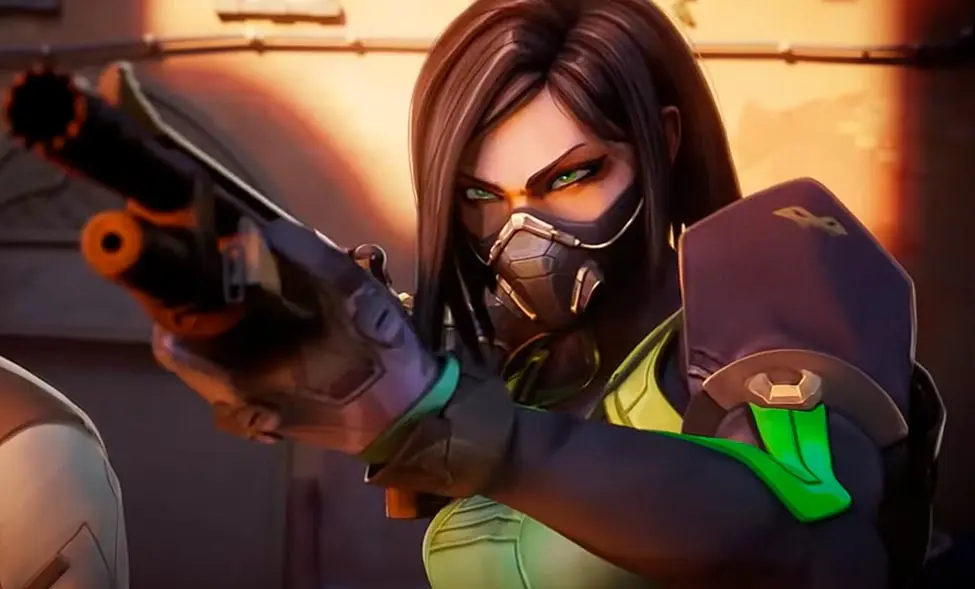
Controllers are responsible for smoke screens and area control. Their job is to block dangerous corners, limit enemies’ line of sight, and create safe paths for the team. Many players consider this role the most important in ranked matches.
Pros and Cons:
- ✅ They influence almost every round;
- ✅ They help both on offense and defense;
- ✅ They allow you to control the pace of the game.
- ❌ Mistakes with smoke can cost a round;
- ❌ require an understanding of timing;
- ❌ don’t always result in many kills.
This is a good fit for you if: you like to think several moves ahead and control the map.
Guardians

Guards specialize in defense and protecting the flanks. They set traps, slow down opponents, and hold points on their own while the team rotates. A good guard can win a round even without a high number of frags.
Pros and Cons:
- ✅ Excellent for defense;
- ✅ Help gather intelligence;
- ✅ allow you to monitor multiple directions at once.
- ❌ Less effective in aggressive play;
- ❌ require patience and discipline;
- ❌ Some agents rely heavily on proper trap placement.
This is for you if: you prefer a calm and calculated playstyle.
Valorant Agent Tier List – June 2026
| Tier | Characters |
| S — Objective-Oriented | Clove, Killjoy |
| A — Strong Picks | Cypher, Sova, Vyse, Fade, Deadlock |
| B — Average | Phoenix, Neon, Skye, Veto |
| C — situational | Chamber, Jett, Waylay, Viper, Raze, Sage |
| D — Below Average | Yoru, Tejo, Reyna, Brimstone, Kay/o, Miks |
| F — Weak | Omen, Iso, Astra, Breach, Gekko, Harbor |
Tyr list breakdown:
1. S-tier — meta-defining agents
Clove tops the S-tier with a high win rate of 53.3% and a pick rate of 12.7%. Next is Killjoy with a win rate of 52.6%. These agents define the current meta and are considered the safest and most effective.
2. A-tier — strong options
Cypher leads this tier with a win rate of 52.1% and a peak rate of 2.5%. He is followed by Sova (52%), Vyse (52%), Fade (51.7%), and Deadlock (51.6%). These are strong and reliable agents that perform well in almost any situation.
3. Tier B — Average
Phoenix tops Tier B, maintaining a win rate of 51.5% with a pick rate of 2.9%. Next are Neon (51.4%), Skye (51.3%), and Veto (51%). These characters are well-balanced and perfectly suited for ranked play.
4. Tier C — Situational
Chamber takes first place in Tier C with a win rate of 51% and a pick rate of 11%. He is followed by Jett (50.8%), Waylay (50.6%), Viper (50.6%), Raze (50.6%), and Sage (50.6%). These agents perform well on specific maps, with specific teams, or depending on playstyle.
5. Tier D — Below Average
Yoru leads this tier with a win rate of 50.5% and a pick rate of 3.5%. Next are Tejo (50.1%), Reyna (50%), Brimstone (49.3%), KAY/O (49%), and Miks (48.8%). Beginners should avoid these agents, as they require more effort to secure a win.
6. F-Tier — Weak
Omen tops the F-tier with a win rate of 48.3% and a pick rate of 2.3%. Next are Iso (48.1%), Astra (47.4%), Breach (47.3%), Gekko (45.6%), and Harbor (44.8%). These are the weakest agents in the current patch, and it’s best to avoid them in ranked play.
The Best Valorant Agents for Beginners
If you’re just starting to play Valorant, it’s best to choose agents with simple abilities that are forgiving of mistakes and help you master the basics of the game: shooting, positioning, and timing. These agents don’t require a deep understanding of the map or the action, and even a complete beginner will have a chance to get a feel for the game.
Sage
Sage is considered one of the best characters for beginners. She can heal allies, slow down enemies, and even revive a fallen teammate. At the same time, you don’t need perfect aim or complex ability combos.
Phoenix
Phoenix is perfect for those who love firefights. He can blind opponents, heal himself with his own fire, and has an ultimate that lets him aggressively push into a point with virtually no risk. He’s a great character to learn how to play as a carry.
Brimstone
Brimstone is the easiest controller in the game. His smokes can be deployed with just a couple of clicks, and his abilities are easy to understand even for first-time Valorant players. He’s the perfect choice for people who are used to playing support in other games.
Killjoy
Killjoy helps even when you don’t win every firefight. Her turret and traps gather intelligence on enemies and defend the flanks, so this character lets you focus on learning the maps and the basics of the game.
Gekko
Gekko is one of the most beginner-friendly initiators. His abilities are easy to use, and his Wingman can independently plant or defuse the spike. Thanks to this, even a beginner can make an impact.
Clove
Clove has become very popular among beginners because she remains useful even after death. She can deploy smoke screens even after dying, and her abilities don’t require perfect map knowledge or complex timing.
The Best Valorant Agents for Ranked Play
In ranked mode, versatile agents are especially valued—they’re useful on virtually any map and don’t rely too heavily on their team’s actions. According to match statistics and community opinion, the best agents for climbing the ranks in 2026 include Clove, Killjoy, Sova, Phoenix, and Cypher.
- Clove is one of the best agents for solo queue. She can deploy smoke screens even after dying and remains useful in almost every round.
- Killjoy—excellent at defending flanks and gathering intelligence using her turret and traps. She’s very strong on most maps.
- Sova provides the team with a lot of information about enemies and helps secure points safely. He’s one of the most reliable initiators in the game.
- Cypher — Allows you to control the map and anticipate enemy movements. Especially useful in ranked matches, where teams often lack coordination.
- Phoenix — A self-sufficient dueler with healing and a powerful ultimate. Well-suited for players who like to play aggressively.
- Neon — one of the best agents for experienced players with good mechanics. Her high speed allows her to quickly cover ground and put pressure on opponents.
- Vyse is a strong defender with a high win rate who holds points well and punishes aggressive pushes by opponents.
- Fade — helps you locate enemies and gather intelligence without complex ability combos. A good choice for team play and solo queue.
Install the Valorant Tracker to monitor agent popularity and win rates across different ranks. For example, the same agent at the bottom of the rankings and at the top can have completely different pick rates and win rates, because new players don’t know how to play against him, while top-tier players have long since learned how to counter him. Valorant Tracker has an online version that doesn’t require installation, so it won’t slow down your computer with an overlay.
Frequently Asked Questions (FAQ)
Выбирайте агента под свой стиль игры. Если любите агрессию — попробуйте Phoenix или Neon, если предпочитаете саппортов — Sova или Brimstone, а для спокойной игры подойдут Killjoy и Cypher.
На июль 2026 года в Valorant доступно 29 агентов. Riot Games регулярно добавляет новых персонажей, поэтому их количество продолжает расти.
По статистике рейтинговых матчей одним из сильнейших агентов считается Clove. Персонаж показывает высокий винрейт и остаётся полезным даже после смерти благодаря своим дымам.
Новичкам чаще всего рекомендуют Sage, Phoenix, Brimstone и Gekko. Их способности просты в использовании и помогают изучить основы игры.
Да. Всех персонажей можно разблокировать за Kingdom Credits (кредиты), которые выдаются за матчи и выполнение ежедневных заданий.
Быстрее всего зарабатывать кредиты можно выполняя ежедневные задания и регулярно играя в матчи. Новых агентов также можно получить во время временных событий Agent Recruitment Event.
После окончания события Agent Recruitment Event любой агент стоит 8 000 кредитов или 1 000 Валорант поинтов, если вы хотите открыть его сразу за реальные деньги.